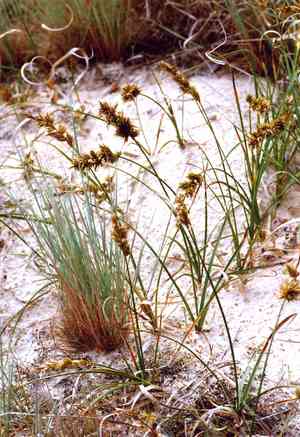
Sand sedge (Carex arenaria)
Also known as: Common sea-reed
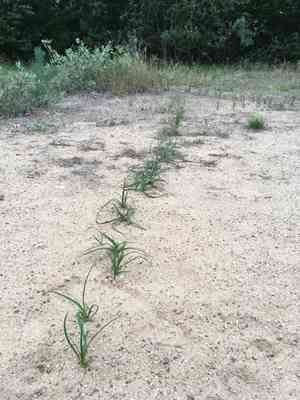
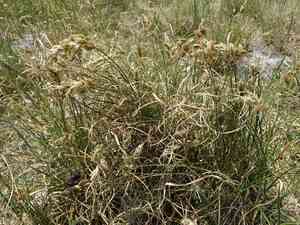
The sand sedge (Carex arenaria) is an evergreen perennial plant that typically grows between 15 and 30 centimeters tall. In shaded conditions, it can sometimes reach up to 1 meter in height. This plant features long, straight, creeping rhizomes that can extend from 0.5 to 4 meters. As it spreads, the older sections of the rhizome tend to die off.
In This Article
Attributes of Sand sedge
Lifespan
Perennial
Plant Type
Grass
Plant Height
30-60 cm
Spread
Not applicable, typically forms clumps
Leaf Color
Green Blue
Flower Size
1-2 mm
Flower Color
Yellow Green Brown
Images of Sand sedge
Quickly Identify Sand sedge
1
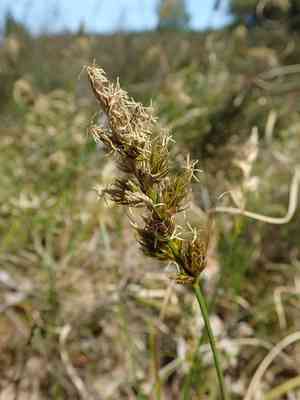
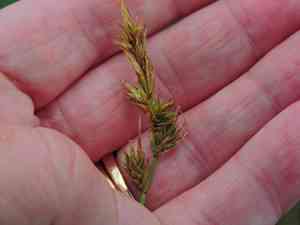
Look for grass-like, slender leaves that are approximately 2-4 mm wide and yellow-green in color. The plant produces inconspicuous, small, green-brown flowers clustered on spikelets.
Scientific Classification of Sand sedge
Phylum
Vascular plants
Class
Monocotyledons
Order
Poales
Family
Sedge
Genus
True sedges
Species
Sand sedge
Planting and Growing of Sand sedge
Care Difficulty
Easy
Watering Schedule
Every 2 days
Sunlight Requirements
Full sun
Sunshine Duration
4-8 hours
Ideal Temperature
50-77℉
Soil Type
Potting Mix, Peat Mix
Soil pH
6.5-7.5
Fertilizer Type
Balanced
Pruning Season
Spring, Summer
Pruning Area
Branches, Leaves
Pruning Frequency
2 times a year
Repotting Season
Spring
Pot Type
Plastic, Terracotta
 How to Water Sand sedge?
Carex arenaria, known for thriving in its natural sandy habitats, requires moderate watering. You should ensure the soil is moist but not soggy, mimicking its natural conditions. Give it approximately 300 ml of water in each session. The aim is to allow the top two inches of soil to dry out between waterings, preventing root rot and ensuring healthy growth.
What are the symptoms of an underwatered Sand sedge?
›
What should I do if my Sand sedge is not getting enough water?
›
What are the symptoms of an overwatered Sand sedge?
›
How to save an overwatered Sand sedge?
›
 What Are the Sunlight Requirements for Sand sedge?
Carex arenaria thrives best in full to partial sun conditions, benefiting from 4 to 6 hours of sunshine. This balance of sun exposure promotes robust growth, enhances leaf color, and ensures overall plant health by optimizing photosynthesis and nutrient absorption.
More About Sunlight Requirements Techniques→
What is the best time for Carex arenaria to receive sunlight?
›
How can I ensure Carex arenaria gets enough light in partial sun conditions?
›
What adjustments should be made if Carex arenaria gets too much sunlight?
›
 What Is the Ideal Temperature Range for Sand sedge?
For optimal growth, Carex arenaria should be maintained in a temperature range between 50°F and 77°F. This range provides the best conditions for photosynthesis and metabolic activities, leading to healthy and robust plant development.
 What Soil is Best for Sand sedge?
Carex arenaria thrives in well-drained soils that prevent waterlogging, ensuring root health by allowing excess moisture to escape easily. While it can survive in nutrient-poor environments, a moderate amount of organic matter can stimulate its growth, leading to healthier and more vibrant foliage. A sand-heavy soil mix replicates its natural habitat, providing a stable foundation that promotes robust growth and facilitates rapid drainage.
 How to Fertilize Sand sedge?
The appropriate amount of fertilizer for Carex arenaria is essential in ensuring optimal growth without causing stress. For liquid fertilizers, use a diluted mixture at half the recommended strength, typically 10-20 mL per liter of water, applied bi-monthly. For slow-release fertilizers, 10 grams per square meter spread evenly across the soil is sufficient. The goal is to nourish without overwhelming the plant with nutrients.
 How to Prune Sand sedge?
Start by examining the plant to identify any dead or damaged leaves. Using sharp pruning shears, trim these parts close to the base of the leaves. For aesthetic shaping, gently cut back the tips of the leaves, maintaining the natural shape of the plant. Ensure cuts are clean to avoid damaging the plant. Trim no more than 1/3 of the leaf's length at a time to avoid stressing the plant.
More About Pruning Techniques→
 How to Propagate Sand sedge plant?
1
Collect Carex arenaria seeds in late summer when seed heads have dried. Ensure they are fully matured and not damaged.
2
In early spring, divide the plant by carefully separating the roots with a knife. Ensure each division has roots and some shoots to promote growth.
3
Prepare root cuttings by taking a healthy section of root during the plant's dormancy. Ensure each cutting is around 5 cm and is kept moist until planting.
 How to Repot Sand sedge plant?
1
Carex arenaria thrives when root-bound, but signs such as yellowing leaves or roots poking out of drainage holes indicate it's time to repot. Ideally, repot during the growing season for optimal recovery.
2
Opt for a slightly larger pot with ample drainage holes. This ensures excess water escapes, preventing root rot. A well-fitting pot also provides enough space for root expansion, fostering healthier growth.
3
Choose a sandy, well-drained soil mix to replicate this plant’s natural habitat. Such soil allows for optimal drainage and aeration, ensuring the roots are healthy and the plant can thrive.



