The Sand sedge Plant Advantage: Maximizing Home and Office Appeal and Wellness
1
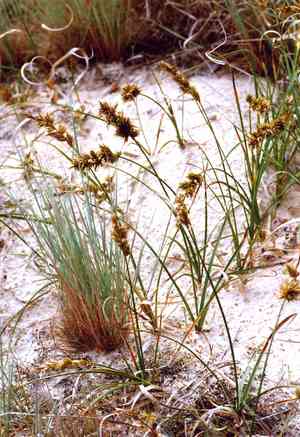
Sand sedge is valued for its ability to prevent soil erosion, making it ideal for land stabilization.
2
It flourishes in sandy ground and coastal regions, needing little upkeep.
3
Sand sedge offers a home for insects and small creatures, benefiting local ecosystems.
Why is Sand Sedge Crucial for Preventing Soil Erosion?
Root System Boosts Ground Stability
A key characteristic of Sand sedge is its widespread root network, which spreads horizontally and secures the earth. This makes it highly effective at stopping soil erosion, especially in sandy and loose ground. By stabilizing the soil, Sand sedge helps prevent landslides and soil runoff, particularly in coastal and sandy regions.
Natural Defense Against Wind Erosion
Sand sedge also acts as a natural wind barrier. Its thick clusters reduce wind speed near the ground, which lowers the chance of wind erosion. This feature is especially useful in coastal areas and open landscapes where strong winds are common.
How Does Sand Sedge Benefit Local Wildlife?
Creates Habitats for Insects and Small Creatures
Sand sedge offers an ideal home for various insects, such as beetles and butterflies. These insects, in turn, attract birds and other small animals, fostering a thriving ecosystem. This diversity is vital for maintaining ecological balance and supporting food chains in local environments.
Food Source for Native Animals
The seeds and leaves of Sand sedge provide sustenance for numerous small animals and insects. By cultivating Sand sedge, you not only enhance your garden's visual appeal but also contribute to the support and nourishment of local wildlife.
Can Sand Sedge Thrive in Difficult Conditions?
Adapts to Diverse Soil Types
One remarkable quality of Sand sedge is its capacity to grow in various soil conditions, particularly sandy and well-drained soils. Its resilience makes it suitable for areas with less fertile ground where other plants might struggle to survive.
Drought Tolerance and Low Upkeep
Another advantage of Sand sedge is its resistance to drought. It needs minimal watering once established, making it an excellent choice for xeriscaping and areas prone to dry spells. This low-maintenance plant fits perfectly into sustainable gardening practices.
What Are the Aesthetic and Practical Landscaping Advantages of Sand Sedge?
Enhances Garden Edges and Paths
Sand sedge adds visual interest to garden borders and pathways with its slender, grass-like foliage and subtle flower spikes. Its dense growth pattern creates natural boundaries that can direct foot traffic and define garden areas.
Versatility in Landscape Design
Whether you're creating a coastal-themed garden or seeking plants that complement rocky landscapes, Sand sedge offers flexibility. Its neutral hues and delicate texture make it a perfect companion plant that blends well with various other species.
How to Plant and Care for Sand Sedge?
Planting Guidelines
To plant Sand sedge, choose a spot with full sun to partial shade and well-drained soil. Dig a hole twice as wide as the root ball, place the plant, and fill the hole with soil, ensuring the crown is not buried. Water thoroughly after planting.
Ongoing Care and Maintenance
Sand sedge requires minimal upkeep once established. Water during prolonged dry periods, trim dead foliage in late winter or early spring, and divide clumps every few years to prevent overcrowding. Proper care ensures the plant remains healthy and vibrant.



