How to Transplant Eastern narrowleaf sedge?
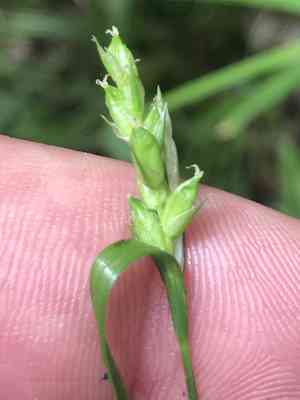
Eastern narrowleaf sedge thrives when relocated between late fall and mid-winter, a period when its resources are primarily directed towards root growth. Select a location that offers full or partial shade and features soil with good drainage. Maintaining consistent hydration is also crucial for successful acclimation.
What Preparations are Needed Before Transplanting Eastern Narrowleaf Sedge?
What is the Ideal Time for Transplanting Eastern Narrowleaf Sedge?
The optimal period for relocating eastern narrowleaf sedge spans from late autumn through the core of winter. During this phase, the plant is inactive, which minimizes the stress of relocation and maximizes root establishment prior to the active growth season. This timing ensures eastern narrowleaf sedge develops strong roots, leading to more vigorous growth in spring and summer.
How Much Space Should You Leave Between Eastern Narrowleaf Sedge Plants?
When moving eastern narrowleaf sedge, position each plant approximately 12-18 inches (30-45 cm) apart. This provides ample room for development and helps prevent excessive competition for water and nutrients among the plants. Consider it as providing each plant its own dedicated growing area!
What is the Best Soil Mix for Eastern Narrowleaf Sedge Transplanting?
Prepare the soil for eastern narrowleaf sedge by ensuring it drains well and is rich in organic material. An excellent blend would be loamy soil mixed with compost or aged manure. Incorporating a balanced fertilizer, such as a 10-10-10 (N-P-K) formula, can also supply vital nutrients for healthy plant development.
Where Should You Relocate Your Eastern Narrowleaf Sedge?
Eastern narrowleaf sedge flourishes in areas with partial to full shade. Seek out a location that receives filtered sunlight or is protected by taller vegetation or structures. This will replicate its natural understory habitat and promote its vigorous growth.
What Equipments Should You Prepare Before Transplantation Eastern Narrowleaf Sedge?
Gardening Gloves
To safeguard your hands while handling soil and plants.
Shovel or Spade
For excavating around the plant and lifting it from its original spot.
Trowel
Aids in digging smaller holes and managing delicate root work.
Watering Can or Hose
For hydrating the plant before and after its relocation.
Pruning Shears
Useful for trimming any damaged roots or excess foliage.
Bucket or Container
To transport the plant if it needs to be moved a greater distance.
Mulch
Helps maintain soil moisture after the plant has been moved.
How Do You Remove Eastern Narrowleaf Sedge from the Soil?
How Do You Remove Eastern Narrowleaf Sedge from the Soil?
From Ground: First, moisten the eastern narrowleaf sedge's soil. Then, use a shovel or spade to dig a wide trench around the plant, ensuring the root ball remains intact. Carefully work the spade beneath the root ball to lift the plant from its initial position.From Pot: Begin by watering the eastern narrowleaf sedge to facilitate its removal. Gently tilt the pot sideways and tap it to loosen the soil. Carefully slide the plant out, supporting the root ball with your hands.From Seedling Tray: Water the eastern narrowleaf sedge to soften the surrounding soil. Use a trowel or your fingers to gently separate each seedling from the tray, taking care to preserve the roots.
Step-by-Step Guide for Transplanting Eastern Narrowleaf Sedge
Preparation
Ensure the new planting site is ready, with a hole dug roughly twice the root ball's width. Loosen the soil within the hole.
Plant Removal
Carefully extract the eastern narrowleaf sedge from its original spot using the appropriate method for ground, pot, or seedling tray.
Planting
Place the plant into the new hole, ensuring it sits at the same depth as it did previously. Backfill with the excavated soil, gently pressing it down to eliminate air pockets.
Watering
Thoroughly water the eastern narrowleaf sedge immediately after planting to help settle the soil and reduce transplant shock.
Mulching
Apply a layer of mulch around the plant's base to help retain moisture and regulate soil temperature.
How Do You Care For Eastern Narrowleaf Sedge After Transplanting?
Watering
Keep the soil around the eastern narrowleaf sedge consistently damp, but not waterlogged, for the initial weeks post-transplant to encourage strong root development.
Monitoring
Observe the plant for indications of stress, such as wilting or yellowing leaves, and provide additional water or shade if necessary.
Weed Control
Maintain the area around the transplanted eastern narrowleaf sedge free of weeds to minimize competition for nutrients and water.
Protection
Consider temporary shading if the weather is excessively hot or sunny to alleviate stress on the newly relocated plant.
Troubleshooting Common Issues with Eastern Narrowleaf Sedge Transplantation.
When is the best time to transplant eastern narrowleaf sedge?
The optimal period is from late autumn to mid-winter for successful relocation.
How should I space newly transplanted eastern narrowleaf sedge?
Position plants 12-18 inches (30-45 cm) apart to ensure ideal growth.
How deep should I plant eastern narrowleaf sedge?
Plant at the same depth it was growing before to prevent stress.
What type of soil is best for eastern narrowleaf sedge?
Well-drained soil with organic matter is perfect for successful transplantation.
How often should I water eastern narrowleaf sedge after transplanting?
Water the plant regularly, keeping the soil consistently moist but not saturated.
What if the leaves turn yellow after transplanting eastern narrowleaf sedge?
Yellow leaves may signal overwatering or transplant shock; adjust watering and ensure proper drainage.
How do I prepare the planting site for eastern narrowleaf sedge?
Remove weeds, loosen the soil, and add compost to enrich the planting area.
Should I mulch around eastern narrowleaf sedge after transplanting?
Yes, apply a 2-3 inch (5-7.5 cm) layer of mulch to retain moisture and suppress weeds.
Can eastern narrowleaf sedge be transplanted in spring or summer?
Transplanting in late fall to mid-winter is preferable; it helps avoid heat stress.
How do I avoid transplant shock in eastern narrowleaf sedge?
Water thoroughly, provide shade, and avoid disturbing roots to minimize transplant shock.



