How to Propagate Eastern narrowleaf sedge?
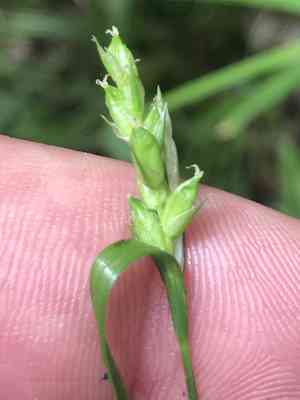
Eastern narrowleaf sedge flourishes when multiplied via separation, a simple yet potent technique specifically suited for this variety. Gently divide established clusters during their period of vigorous development to guarantee optimal rooting. Ensure every segment possesses an ample root structure and promptly re-embed them in moisture-rich earth, allowing proper distance for air movement and robust development.
What Is the Best Time To Propagate Eastern Narrowleaf Sedge?
Propagation Type
Splitting
Propagation Season
Spring,Autumn
What Tools Are Used in Eastern Narrowleaf Sedge Propagation?
Garden spade or fork
These implements are vital for excavating eastern narrowleaf sedge. A sharp, robust garden spade or a strong fork aids in lifting the plant from the earth with minimal root trauma, which is crucial for preserving the plantâs vitality. Utilizing these tools allows for precise control over digging depth and angle, ensuring that as much of the root system as possible remains intact during separation.
Sharp knife or secateurs
These are employed for separating the root mass of eastern narrowleaf sedge into smaller portions. A keen knife or a pair of secateurs guarantees clean cuts, which are essential for preventing infection and encouraging faster root recovery. Accurate cuts help maintain the root system's integrity, facilitating better establishment of divided plants.
Watering can with a fine rose
Following transplant, it's crucial to irrigate eastern narrowleaf sedge gently yet thoroughly. A watering can equipped with a fine rose attachment ensures a soft, even water distribution that doesn't disturb the newly planted sections. Sufficient watering is critical for re-establishing the divided plants, as it helps settle the soil around the roots and provides the necessary hydration for recovery and growth.
Gardening gloves
Wearing gloves while handling eastern narrowleaf sedge safeguards both the propagator's hands and the plant's delicate root structures. Gloves prevent any potential skin irritation from the plant or soil and help avoid damaging the plant's tissues during the handling process.
Label and permanent marker
Labeling each new plant segment with a label and permanent marker is vital for proper identification and tracking of the propagation outcomes. It assists in monitoring the growth and health of each section, ensuring that any specific care requirements are followed post-propagation.
How to Propagate Eastern Narrowleaf Sedge?
Propagation Type
Simple
How to Care for Your Newly Propagated Eastern Narrowleaf Sedge?
How to Care for Your Newly Propagated Eastern Narrowleaf Sedge?
After propagation, ensure eastern narrowleaf sedge is kept in damp, well-drained soil and in partial to full shade, mimicking its natural environment. Eastern narrowleaf sedge benefits from consistent watering, especially during dry spells, but be cautious of overwatering to prevent root rot. Mulching can help retain soil moisture and suppress weeds. Annual division may be necessary to maintain health and vigor if the clumps become too dense.
Common Mistakes to Avoid When Propagating Eastern Narrowleaf Sedge
Overwatering
Saturating the soil for eastern narrowleaf sedge can lead to root decay and fungal infections, hindering growth and potentially killing the plant.
Excessive sunlight
While eastern narrowleaf sedge tolerates some sun, too much exposure can scorch its leaves, diminishing its vitality and aesthetic appeal.
Poor soil choice
Using a soil mix that doesnât drain adequately can suffocate the roots of eastern narrowleaf sedge, leading to poor health and reduced propagation success.
Incorrect division technique
Rough handling or improper separation of eastern narrowleaf sedge's root clumps can harm the plant, impeding its ability to establish and grow when replanted.
Tips For Propagating Eastern Narrowleaf Sedge
Moist environment
Maintain consistent soil moisture, but ensure good drainage to prevent waterlogging, fostering a healthy root system for eastern narrowleaf sedge.
Partial shade location
Place eastern narrowleaf sedge in partial shade, protecting it from excessive direct sunlight while providing enough light for optimal growth.
Appropriate soil mix
Utilize a well-draining soil mix enriched with organic matter to support the health and growth of eastern narrowleaf sedge.
Careful division
Divide eastern narrowleaf sedge gently, ensuring each section has sufficient roots and top growth. Plant divisions promptly to avoid drying out.



