How to Prune Eastern narrowleaf sedge?
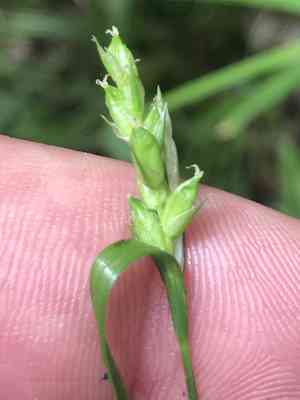
This resilient perennial, featuring delicate, curving foliage, eastern narrowleaf sedge flourishes most effectively with yearly trimming to sustain its vitality and visual charm. The ideal times for pruning are in early spring or during winter, when the plant is in a state of dormancy. Meticulously removing aged and discolored leaves from the plant's base stimulates more vigorous development and preserves a neat look. Performing this maintenance during colder periods helps minimize strain on eastern narrowleaf sedge, facilitating strong spring growth and decreasing the occurrence of infestations and ailments.
What Are the Benefits of Pruning Eastern Narrowleaf Sedge?
What Are the Benefits of Pruning Eastern Narrowleaf Sedge?
Trimming eastern narrowleaf sedge promotes robust development and preserves its compact shape, improving its look and vitality. Regular cutting helps control excessive growth and ensures the plant fits well in garden areas.
What Is the Best Time for Pruning Eastern Narrowleaf Sedge?
What Is the Best Time for Pruning Eastern Narrowleaf Sedge?
Pruning eastern narrowleaf sedge in early spring is optimal as it prepares the plant for new growth by removing old or dead leaves accumulated over winter. This timing allows eastern narrowleaf sedge to focus energy on producing fresh, strong growth as temperatures rise. Winter pruning is also good since eastern narrowleaf sedge is dormant then. Trimming in winter reduces plant stress, preventing damage to new shoots and maximizing overall health and aesthetic form.
What Tools Do I Need to Prune Eastern Narrowleaf Sedge?
Hand Pruners
Perfect for shaping and trimming eastern narrowleaf sedge due to its grass-like clusters. Sharp, clean cuts help prevent harm to the delicate leaves.
Grass Shears
Suitable for cutting eastern narrowleaf sedge at soil level or shaping individual clumps. The long handles also provide easy access without disturbing the roots.
Garden Scissors
Ideal for precise snipping of eastern narrowleaf sedge without harming nearby plant parts, especially useful when thinning dense clumps.
How to Prune Eastern Narrowleaf Sedge
Identify
Identify and evaluate the state of eastern narrowleaf sedge's leaves, specifically looking for diseased and withered foliage. These may appear discolored or damaged in texture compared to the healthy, vibrant green leaves typically seen.
Prepare
Prepare the necessary tools for trimming. Use a clean, sharp pair of garden scissors or snips. Sanitize your tools before use with rubbing alcohol or a bleach solution to prevent disease spread between plants.
Clip
Carefully clip off the diseased and withered leaves at the base of the leaf blade. Ensure to cut as close as possible to the crown of eastern narrowleaf sedge without causing damage. This promotes better growth and prevents potential disease spread.
Collect
Gently gather all removed leaves and dispose of them properly in a bin or compost, especially diseased leaves should be discarded away from healthy plant areas to avoid contamination.
Monitor
After pruning, regularly observe eastern narrowleaf sedge for new signs of disease or wilting. This continuous observation will help maintain the plant's health and appearance.
Common Pruning Mistakes with Eastern Narrowleaf Sedge
Overpruning
A common error is removing too much foliage from eastern narrowleaf sedge, which can stress the plant and reduce its vigor. Eastern narrowleaf sedge benefits from light trimming, not severe cuts.
Cutting too low
Cutting eastern narrowleaf sedge too close to the crown can jeopardize the plant's health, potentially leading to rot or fungal infections. Always leave a few inches of growth above the crown to ensure plant safety.
Pruning at the wrong angle
Incorrect angle cuts can hinder eastern narrowleaf sedge's growth. It's crucial to cut at a slight angle that allows water runoff, thereby preventing disease.
Using blunt tools
Using dull pruning shears can damage the stems of eastern narrowleaf sedge, causing jagged tears that attract pests and diseases. Always use sharp, clean tools for pruning.
Common Pruning Tips for Eastern Narrowleaf Sedge
Clean cuts
Ensure to use sharp, clean shears to make precise cuts. This prevents damaging the stems of eastern narrowleaf sedge and aids in quicker recovery from pruning.
Moderate trimming
Focus on moderately trimming eastern narrowleaf sedge to remove dead or damaged foliage, which encourages healthier growth and maintains plant shape. Avoid cutting more than one-third of the plant at a time.
Timing frequency
Prune periodically but not excessively. Regular light trimming helps maintain the desired shape and size without putting too much stress on eastern narrowleaf sedge.
Encourage new growth
Target older, yellowing, or damaged foliage for removal. This not only tidies up eastern narrowleaf sedge but also stimulates new growth, ensuring denser and fresher foliage over time.



