The Eastern narrowleaf sedge Plant Advantage: Maximizing Home and Office Appeal and Wellness
1
Excellent for preventing soil erosion because of its extensive root network.
2
Offers a home for diverse animal life, boosting ecological variety.
3
Requires minimal upkeep and tolerates dry conditions, ideal for eco-friendly garden design.
How Does Eastern narrowleaf sedge Aid in Soil Erosion Control?
Dense Root System
Eastern narrowleaf sedge possesses a robust root structure that forms a thick network beneath the soil. This characteristic makes it highly effective at binding soil, thereby preventing its displacement. This is especially advantageous in areas prone to heavy rainfall or on slopes where soil movement is a frequent concern.
Soil Stability
Beyond preventing erosion, the roots of Eastern narrowleaf sedge enhance overall soil firmness. This makes it an excellent selection for both urban and rural environments, where soil integrity is vital for maintaining infrastructure and agricultural practices.
What Role Does Eastern narrowleaf sedge Play in Enhancing Biodiversity?
Wildlife Habitat
Eastern narrowleaf sedge offers an ideal living space for various animal species, including insects, birds, and small mammals. Its thick foliage provides refuge, and its seeds serve as a food source, thus supporting a diverse array of creatures within the ecosystem.
Biodiversity Boost
By serving as a habitat, Eastern narrowleaf sedge helps sustain and augment biodiversity. This is crucial for a balanced ecosystem where each species relies on others for sustenance, shelter, and reproduction. Robust biodiversity also contributes to the overall health and resilience of the environment.
Why Choose Eastern narrowleaf sedge for Sustainable Landscaping?
Low Maintenance
One of the primary advantages of Eastern narrowleaf sedge is its minimal upkeep requirement. Once established, it needs very little care, making it an optimal choice for homeowners and landscapers aiming to create eco-friendly green spaces with minimal effort.
Drought Resistance
Eastern narrowleaf sedge is remarkably tolerant of dry conditions, thriving even with limited water. This characteristic reduces the need for frequent irrigation, conserving water resources and making it a sustainable option for landscaping in arid regions.
Can Eastern narrowleaf sedge Improve Water Quality?
Natural Filtration
The root system of Eastern narrowleaf sedge functions as a natural filter, capturing sediments and pollutants from runoff before they enter water bodies. This enhances water quality and aids in preserving cleaner aquatic environments.
Wetland Restoration
Given its inherent filtration capabilities, Eastern narrowleaf sedge is frequently utilized in wetland rehabilitation projects. It assists in the recovery of degraded wetlands, contributing to the overall well-being of these vital ecosystems.
How Does Eastern narrowleaf sedge Contribute to Landscape Aesthetics?
Visual Appeal
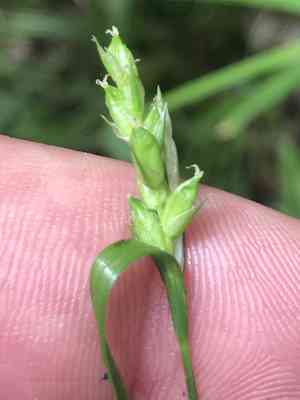
Eastern narrowleaf sedge adds a distinctive visual charm to landscapes with its slender, grass-like leaves that gently sway in the breeze. It can be a beautiful addition to gardens, parks, and natural settings, offering a serene, organic look.
Versatility in Design
Eastern narrowleaf sedge is highly adaptable and can be incorporated into various landscape designs. Whether used as ground cover, in borders, or as part of a mixed planting scheme, it complements a wide range of plants and adds a touch of grace to any outdoor area.



