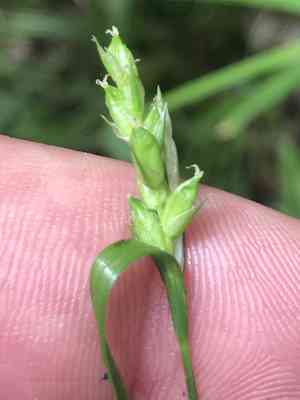
Eastern narrowleaf sedge (Carex amphibola)
Also known as: Eastern Fox Sedge
Solomon's seal is a perennial plant well-suited to moist woodland environments. It features gracefully arching green leaves and clusters of small, brownish-green, bell-shaped flowers. This hardy plant forms elegant clumps and thrives in both full shade and dappled sunlight, making it an excellent choice for ground cover in shaded garden areas.
In This Article
Attributes of Eastern narrowleaf sedge
Lifespan
Perennial
Plant Type
Grass
Plant Height
30 cm to 91 cm
Spread
15-30 cm
Leaf Color
Green
Flower Size
0.5-1 cm
Flower Color
Brownish or purplish
Images of Eastern narrowleaf sedge
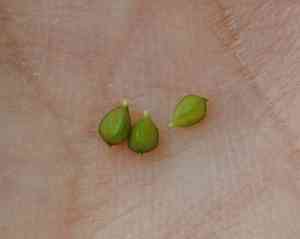
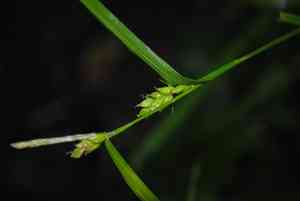
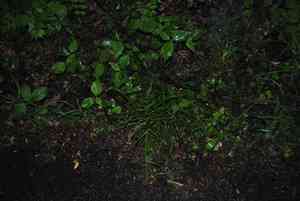
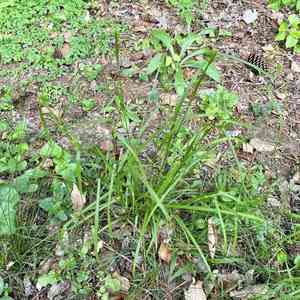
Quickly Identify Eastern narrowleaf sedge
1
Carex amphibola can be identified by its broad, grass-like leaves and triangular stems. The plant typically forms dense tufts. The inflorescence is composed of several spikelets, which are often brownish or purplish in color.
Scientific Classification of Eastern narrowleaf sedge
Phylum
Vascular plants
Class
Monocotyledons
Order
Poales
Family
Sedge
Genus
True sedges
Species
Eastern narrowleaf sedge
Planting and Growing of Eastern narrowleaf sedge
Care Difficulty
Easy
Watering Schedule
Every 2 days
Sunlight Requirements
Partial sun
Sunshine Duration
4-8 hours
Ideal Temperature
60-75℉
Soil Type
Potting Mix, Peat Mix
Soil pH
5-7.5
Fertilizer Type
Balanced
Pruning Season
Spring, Summer
Pruning Area
Branches, Leaves
Pruning Frequency
2 times a year
Repotting Season
Spring
Pot Type
Plastic, Ceramic
 How to Water Eastern narrowleaf sedge?
When watering Carex amphibola, you aim for around 500 ml per session. The goal is to ensure the soil remains consistently moist without being waterlogged. Press your finger into the soil; it should feel damp nearly up to the knuckle.
What are the symptoms of an underwatered Eastern narrowleaf sedge?
›
What should I do if my Eastern narrowleaf sedge is not getting enough water?
›
What are the symptoms of an overwatered Eastern narrowleaf sedge?
›
How to save an overwatered Eastern narrowleaf sedge?
›
 What Are the Sunlight Requirements for Eastern narrowleaf sedge?
Carex amphibola thrives in partial shade to full shade, ideal for locations shielded from direct sun. Optimal lighting promotes lush foliage, maintaining plant health and aesthetic appeal, and supporting resilience against environmental stress.
What is the best lighting for Carex amphibola?
›
How can I ensure my plant gets enough light?
›
What benefits does ideal lighting offer?
›
 What Is the Ideal Temperature Range for Eastern narrowleaf sedge?
The ideal temperature range for Carex amphibola, commonly known as Eastern Narrowleaf Sedge, lies between 60°F and 75°F. This range provides the most conducive growth environment for this plant, which thrives in moderate climates. The stable temperatures within this range allow for optimal photosynthetic activity and nutrient uptake. Maintaining this ideal temperature range can help ensure vigorous growth and lush foliage, typical of healthy sedge plants.
 What Soil is Best for Eastern narrowleaf sedge?
Carex amphibola thrives in soils that provide good drainage. Properly draining soil prevents waterlogging, which helps the roots access adequate oxygen and reduces the risk of root rot, promoting healthy plant growth. While drainage is crucial, the soil must also retain some moisture as Carex amphibola prefers consistently moist soils. This balance ensures the plant gets sufficient water without drowning, supporting lush growth and vitality. Enriched soils with ample organic matter support the nutritional needs of Carex amphibola. Organic matter improves soil fertility and structure, providing essential nutrients that maintain robust plant health and vigorous growth.
 How to Fertilize Eastern narrowleaf sedge?
For Carex amphibola, it is crucial not to overwhelm the plant with too much fertilizer. A balanced, diluted liquid fertilizer is sufficient. Use a liquid fertilizer with a ratio of 10-10-10 diluted to half strength. This helps in maintaining healthy growth without causing nutrient burn.
 How to Prune Eastern narrowleaf sedge?
Identify the overgrown, brown, or damaged leaves that need trimming. Carefully cut these leaves back to their base without cutting into the healthy foliage. This step not only tidies up the plant but also encourages new growth by removing dead material. After removing the damaged parts, assess the plant's shape. Trim back any uneven or excessive growth to maintain a pleasing, rounded outline. Aim for a balanced and symmetrical appearance that complements your garden's aesthetics. After pruning, gather any fallen or cut leaves from the ground around the plant. This cleanup step prevents decay and the spread of disease, while also giving your garden a neat and orderly look.
More About Pruning Techniques→
 How to Propagate Eastern narrowleaf sedge plant?
1
Collect seeds from mature Carex amphibola plants in the fall and store them in a cool, dry place until planting in early spring. Ensuring seeds are clean and dry prevents mold and rot.
2
Carefully dig up the parent plant during early spring. Using a sharp knife, divide the plant into smaller sections, ensuring that each section has sufficient roots to support growth.
3
For seed propagation, sow seeds in a seed tray with moistened soil. For divisions, plant sections in a well-prepared site. Ensure good soil contact and water thoroughly to promote establishment.
 How to Repot Eastern narrowleaf sedge plant?
1
Look for signs such as roots growing out of the drainage holes, slow growth, or compacted soil. These indicate that Carex amphibola requires repotting for optimal health.
2
Choose a pot that's one size larger with adequate drainage. A well-sized pot provides room for root expansion, preventing waterlogging and promoting healthier growth.
3
Opt for a well-draining loamy soil mix to support moisture needs without the risk of root rot. This ensures adequate aeration and nutrient retention for optimal plant health.
Learn More About Eastern narrowleaf sedge Diseases
Anthracnose
Bacterial Leaf Spot
Bacterial Soft Rot
Chemical Injury
Cyst Nematode
Damping-off
Downy Mildew
Drought Stress
Fusarium Wilt
Gray Mold
Leaf Spot
Mosaic
Nutrient Deficiency
Nutrient Toxicity
Powdery Mildew
Root Rot
Root-knot Nematode
Rusts
Sooty Mold
Spider Mites
Temperature Stress
Thrips Damage
White Mold



