How to Transplant Milkmaids?
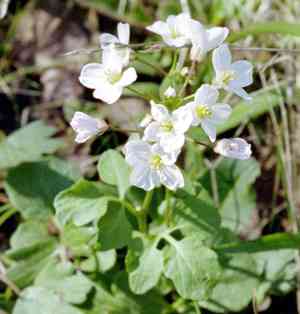
The optimal period for relocating milkmaids is during the onset of spring, prior to the arrival of summer, when temperatures are mild yet conducive to growth. Select a location offering filtered sunlight, damp earth, and efficient water runoff, replicating its native woodland environment. Careful manipulation guarantees successful establishment.
Essential Preparations Before Relocating Milkmaids
Optimal Timing for Relocating Milkmaids
The best time to move milkmaids is during its period of renewal, from early spring to late spring. This phase allows milkmaids to benefit from new growth, moderate temperatures, and increasing daylight, which aids root establishment and upper growth. Transplanting during this season ensures the plant settles before summer heat, aligning with nature's cycle. The welcoming spring earth provides a strong base for your milkmaids to thrive.
Recommended Spacing Between Milkmaids Plants
When moving milkmaids, provide ample room for development. Aim for a distance of approximately 6-12 inches (15-30 cm) between each plant. This ensures sufficient growth and healthy air circulation around each one, which is especially reassuring for new gardeners.
Ideal Soil Mixture for Milkmaids Relocation
For milkmaids, prepare soil rich in organic matter and with good drainage. Loamy soil is perfect. Before planting, incorporate a balanced, slow-release fertilizer to give your milkmaids a nourishing start. This preparation sets the stage for vigorous growth.
Choosing a New Location for Your Milkmaids
Select a site for your milkmaids where it can receive partial shade to full sun. A spot that gets gentle morning sun with some afternoon protection is ideal – a comfortable niche for these beautiful plants to flourish and bloom in your garden.
Tools Required Before Relocating Milkmaids
Gardening Gloves
To safeguard your hands while handling soil and plants.
Trowel
For excavating small milkmaids plants or preparing a suitable hole for relocation.
Garden Spade or Shovel
For digging and moving larger milkmaids plants with more developed root systems.
Watering Can
To hydrate milkmaids plants before and after relocation to minimize transplant shock.
Pruning Shears
For trimming any dead or damaged plant parts during the relocation process.
Mulch
To apply around the base of the milkmaids plant after relocation to regulate soil temperature and retain moisture.
Wheelbarrow
For transporting the milkmaids plant and soil if necessary.
Rooting Hormone (optional)
To stimulate root development in the milkmaids plant following relocation.
How to Extract Milkmaids from the Soil
How to Extract Milkmaids from the Soil?
From Ground: First, moisten the milkmaids plant's soil to facilitate removal. Then, using a trowel or spade, dig a wide circle around the milkmaids plant's base, being careful not to harm the root ball. Gently lift the plant from the ground, preserving as much of the root system as possible.From Pot: Water the milkmaids plant thoroughly beforehand to ensure the soil holds together. Tilt the pot and gently tap the bottom and sides to loosen the soil. Slide the plant out, holding it by the root ball instead of the stem or leaves.From Seedling Tray: Dampen the soil in the tray so seedlings can be easily removed. Use a small tool, like a dibber or a pencil, to push the milkmaids plant seedling up from the bottom. Grasp the seedling by its leaves, not the delicate stem, when taking it from the tray.
Step-by-Step Guide for Relocating Milkmaids
Preparation
Prepare the new site for the milkmaids plant by digging a hole slightly wider and deeper than its root ball. Amend the soil with compost if needed to ensure it's rich and fertile.
Removal
Refer to the 'removal process' section based on the milkmaids plant's original location to safely extract it without damaging the root system.
Relocation
Place the milkmaids plant into the prepared hole at the same depth it was previously growing. Fill around the root ball with soil, gently firming to remove air pockets, and water thoroughly to settle the soil.
Support Installation
If the milkmaids plant is particularly tall or top-heavy, install a stake or plant support during relocation to help it stay upright.
Finishing Touches
Apply a layer of mulch around the base of the milkmaids to conserve moisture and regulate soil temperature. Avoid piling mulch directly against the stem to prevent rot.
Post-Relocation Care for Milkmaids
Monitoring
Regularly check the milkmaids plant for signs of transplant shock, such as wilting or discolored leaves, and take appropriate action if necessary.
Watering
Maintain consistent moisture around the milkmaids plant, watering deeply whenever the top inch of soil feels dry.
Pruning
Trim any dead or damaged foliage to encourage new growth and help the milkmaids plant focus its energy on establishing new roots.
Addressing Common Issues with Milkmaids Relocation
Why is my milkmaids not flourishing after relocation?
Ensure it's moved during the ideal period from early to late spring when growth is strong. Also, confirm proper soil preparation and avoid waterlogged conditions.
What is the recommended spacing for milkmaids when relocating?
Aim for an optimal distance of about 6-12 inches (15-30 cm) between each milkmaids. This provides ample space for growth without overcrowding.
How deep should I plant my milkmaids?
Plant milkmaids at the same depth it was growing before. The top of the root ball should be level with the surrounding soil surface.
Can milkmaids tolerate full sun after relocation?
Milkmaids prefers partial shade. Full sun, especially in hotter areas, can stress the plant. Provide some afternoon shade if possible.
How much should I water milkmaids after relocation?
Water milkmaids generously after relocation to settle the soil. Then keep the soil moist but not soggy to encourage root growth.
What should I do if milkmaids's leaves wilt after relocation?
Wilting can indicate transplant shock. Keep the soil consistently moist and shield milkmaids from strong winds and harsh sunlight until it recovers.
Why are my milkmaids's leaves turning yellow after relocation?
Yellowing leaves might signal overwatering or poor drainage. Adjust your watering schedule and ensure the soil drains properly.
Should I fertilize milkmaids immediately after relocation?
Wait a few weeks before fertilizing to prevent root burn. Relocated milkmaids needs time to establish its roots in the new spot first.
How do I protect my relocated milkmaids from pests?
Inspect milkmaids regularly for pests. Gentle washing with water or applying organic insecticides can help if an infestation occurs.
My milkmaids is growing slowly after relocation, is this normal?
Initially, milkmaids may prioritize root development, which can slow above-ground growth. Be patient and ensure it has suitable conditions.



