Enhancing Your Garden Design with the Milkmaids Plant: A Landscaping Guide
1
Milkmaids offer continuous green foliage and lovely seasonal flowers.
2
Incorporating Milkmaids into your garden benefits local fauna and enriches soil quality.
3
Thoughtful positioning of Milkmaids can beautify garden paths, edges, and prominent areas.
Introducing Milkmaids to Your Garden
Understanding the growth pattern of Milkmaids
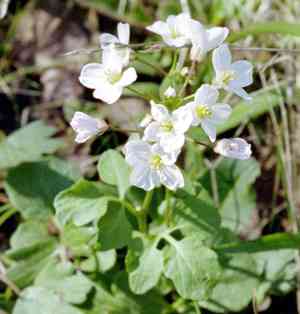
When considering Milkmaids for your garden, it's crucial to understand its growth pattern. These plants typically start growing in the fall and reach full bloom by early spring, providing a lush green landscape with delicate, white flowers. They have a clumping growth habit, creating a natural, soft density that can enhance the visual appeal of your garden.
Seasonal behaviors and their landscape impact
Milkmaids showcases its prime beauty during spring, with its foliage remaining green and vibrant for most of the year. However, the plant's seasonal behavior includes a dormancy phase in the summer, where it may die back. This period is essential for the plant's rejuvenation and can influence the appearance of your garden. Planning around these seasonal patterns ensures a continuous flow of aesthetic appeal in your landscape.
Choosing the ideal location for Milkmaids
Selecting the perfect spot for Milkmaids involves considering its preference for partial shade to full shade conditions. These plants thrive under the canopy of larger trees or in areas with filtered sunlight. Planting Milkmaids in well-drained soil with ample organic matter optimizes its growth and bloom potential, ensuring a robust addition to your garden landscape.
Complementary Plants for Milkmaids
Selecting plants that thrive together with Milkmaids
To create a harmonious garden, pair Milkmaids with plants that have similar growth requirements. Consider companions like ferns, hostas, or other shade-loving plants that match Milkmaids's needs for moisture and light. These combinations not only enhance the visual appeal but also promote a healthy, thriving garden ecosystem.
Color and texture combinations that work well
The subtle, elegant flowers of Milkmaids pair wonderfully with a variety of colors and textures. Consider adding plants with bold foliage or contrasting flower colors to create visual interest. For instance, the lush greenery of ferns or the broad leaves of hostas can provide a contrasting backdrop, making the delicate blooms of Milkmaids stand out beautifully.
Benefits of biodiversity in landscaping
Incorporating Milkmaids into a diverse plant mix enhances the ecological health of your garden. Biodiversity ensures a resilient garden that can withstand pests and diseases better. Moreover, having a variety of plants can attract a range of beneficial insects and wildlife, promoting a balanced and vibrant garden ecosystem.
Landscaping Tips Using Milkmaids
Designing pathways and borders using Milkmaids
Milkmaids lends itself beautifully to creating natural pathways and borders. Its dense foliage can define walkways, guiding visitors through your garden while providing a soft, cushiony edge. Plant Milkmaids along garden paths or use it to create distinct boundaries around different garden sections for a charming, cohesive look.
Creating focal points with Milkmaids
Incorporating Milkmaids as focal points adds a touch of elegance and interest to your garden. Whether clustered around a tree base, near a garden bench, or as a standalone bed, Milkmaids draws the eye with its delicate blooms and rich greenery. Utilize these plants to highlight key areas and create stunning visual anchors in your landscape design.
Maintaining the aesthetic of Milkmaids in different seasons
To keep your garden looking its best year-round, plan for Milkmaids's seasonal changes. During its dormant summer phase, consider planting complementary plants that peak in late summer and fall. This strategy ensures continuous color and texture in your garden. Regular maintenance, including mulching and occasional watering, helps sustain Milkmaids during its active growth periods.
Ecological Benefits of Milkmaids in Landscaping
Supporting local wildlife with Milkmaids
Milkmaids plays a vital role in supporting local wildlife. Its flowers attract pollinators like bees and butterflies, providing essential nectar sources. Moreover, the dense foliage offers habitat and protection for small animals and insects, fostering a vibrant, biodiverse garden environment.
Soil health improvements by planting Milkmaids
Planting Milkmaids can significantly enhance soil health. Its root system helps to prevent soil erosion and improves soil structure, which is beneficial for retaining moisture and nutrients. Moreover, as debris from Milkmaids decomposes, it adds vital organic matter to the soil, enriching it over time.
Contributions of Milkmaids to sustainability
Integrating Milkmaids into your landscape contributes to sustainability by promoting ecological balance and reducing the need for chemical inputs. These plants require minimal fertilizers and pesticides, making them an eco-friendly choice. Additionally, they support the natural ecosystem, enhancing the overall health and sustainability of your garden.



