How to Prune Milkmaids?
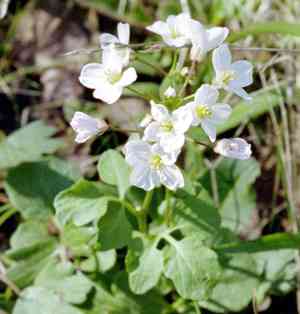
This fragile perennial, a herald of spring, flourishes in dim, damp environments, displaying its white to pink flowers on leafy stems. After blooming, trim milkmaids to preserve their form and foster robust development. Removing faded flowers and dead leaves in early spring or summer encourages fresh blossoms and foliage. For pruning, use disinfected, sharp clippers to reduce the chance of illness. Consistent trimming aids milkmaids by encouraging strong growth and an impressive showing the following season.
Advantages of Trimming Milkmaids
Advantages of Trimming Milkmaids
Trimming milkmaids promotes robust development and assists in maintaining its desired form. Strategic cutting encourages a strong structure, leading to healthier, more resilient plants.
Optimal Time for Trimming Milkmaids
Optimal Time for Trimming Milkmaids
The ideal period to trim milkmaids is in late winter to early spring, prior to the emergence of new growth. Pruning at this time allows gardeners to shape the plant and remove any dead or diseased wood without affecting the upcoming flowering cycle. It also reduces stress on milkmaids and ensures energy is directed towards producing healthy new growth and blossoms. Since milkmaids is a perennial that blooms in the spring, pruning in late winter to early spring will encourage a more abundant display of flowers. Avoid pruning in late summer or fall, as this can stimulate new growth that may not be robust enough to survive the winter.
Tools Required for Trimming Milkmaids
Bypass Hand Pruners
Perfect for making clean cuts on milkmaids stems, bypass hand pruners inflict less damage to the delicate plant tissues.
Gardening Scissors
Milkmaids possesses small, delicate stems that can be easily managed with sharp gardening scissors for precise trimming and shaping.
Pruning Shears
Suitable for removing spent flowers and cutting back foliage, pruning shears can help control milkmaids' growth without causing undue stress to the plant.
How to Trim Milkmaids
Identification
Examine milkmaids for any indications of disease or wilting in leaves and stems before commencing the trimming process.
Sanitation
Utilize properly sterilized pruning shears to prevent the spread of pathogens when cutting diseased or withered parts of milkmaids.
Trimming Diseased Leaves
Carefully trim away diseased leaves from milkmaids by making clean cuts at the base of the affected leaves, ensuring not to harm adjacent healthy tissues.
Trimming Withered Leaves
Remove withered leaves from milkmaids by snipping them off at the base to encourage healthy growth and air circulation within the plant.
Trimming Diseased Stems
Remove diseased stems from milkmaids by cutting at a point below the affected area, ensuring the cut is made on healthy tissue to prevent disease spread.
Common Trimming Errors with Milkmaids
Excessive Pruning
Removing too much foliage from milkmaids can stress the plant, reduce its ability to photosynthesize, and potentially decrease its vigor and blooms.
Incorrect Cut Placement
Cutting either too close to or too far from the main stem can harm milkmaids. Improper cut placement can damage the main stem or leave unnecessary stubs that attract pests and diseases.
Pruning During Active Growth
Trimming milkmaids when it's actively growing can impede its development and delay or prevent flowering. It's crucial to prune when the plant is less active.
Using Dull Tools
Pruning milkmaids with blunt tools may result in jagged cuts that don't heal properly, increasing the risk of disease and pest infestation.
Neglecting Hygiene
Failing to sanitize pruning tools between cuts and plants can spread diseases to milkmaids, which may lack natural resistance to non-native pathogens.
General Trimming Advice for Milkmaids
Clean Cuts
Using sharp, clean pruning shears will help ensure precise cuts on milkmaids, facilitating faster healing and minimizing disease risk.
Angled Cuts
Cut at a 45-degree angle just above a leaf set or bud to promote proper water runoff and new growth for milkmaids.
Thin Center
Thinning the center of milkmaids can enhance air circulation and light penetration, which helps reduce the risk of fungal infections and encourages a bushier growth habit.
Deadheading
Removing spent flowers from milkmaids can encourage a second bloom and prevent the plant from allocating energy to seed production instead of foliage and future flowers.
Selective Pruning
Selectively removing only a few stems can revitalize milkmaids without causing significant stress. This will maintain the plant's natural shape and provide support for its growth pattern.



