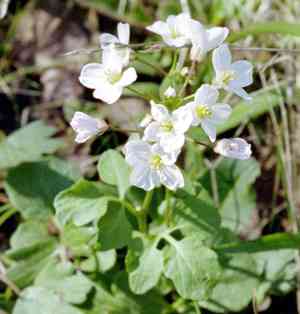
Milkmaids (Cardamine californica)
Also known as: Tooth wort
Milkmaids are perennial wildflowers that react to changes in their environment. As the sun starts to set in the late afternoon, these flowers close their blooms. Additionally, they tilt their flower heads downward to shield their pollen before it rains. They are among the first wildflowers to bloom each year.
In This Article
Attributes of Milkmaids
Lifespan
Perennial
Plant Type
Herb
Plant Height
30 cm
Spread
20 cm
Leaf Color
Green
Flower Size
1.3 cm
Flower Color
White Pink
Images of Milkmaids
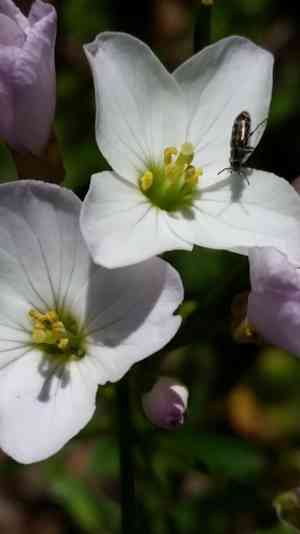
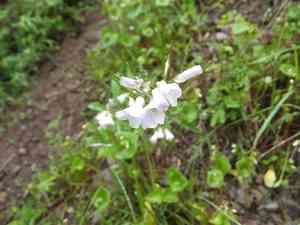
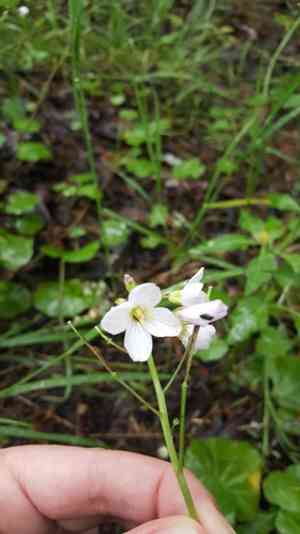
Quickly Identify Milkmaids
1
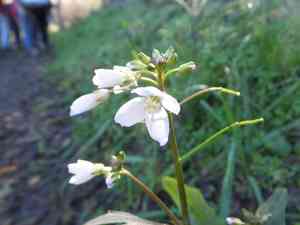
Look for the four-petaled white or pale pink flowers which bloom in early spring. The leaves are compound with three leaflets, and the plant often grows in shady, moist areas.
Scientific Classification of Milkmaids
Phylum
Vascular plants
Class
Dicotyledons
Order
Brassicales
Family
Cruciferae
Genus
Bittercresses
Species
Milkmaids
Planting and Growing of Milkmaids
Care Difficulty
Easy
Watering Schedule
Every 4 days
Sunlight Requirements
Partial sun
Sunshine Duration
4-6 hours
Ideal Temperature
50-70℉
Soil Type
Potting Mix, Peat Mix
Soil pH
5.5-8
Fertilizer Type
Balanced
Pruning Season
Spring, Summer
Pruning Area
Branches, Leaves
Pruning Frequency
2 times a year
Repotting Season
Spring
Pot Type
Plastic, Terracotta
 How to Water Milkmaids?
For Cardamine californica, ensure the soil is thoroughly soaked each time you water. This typically means applying about 250 ml, enough to reach deeper roots without causing pooling at the surface. Aim for the soil to be moist to the touch but not waterlogged, promoting healthy growth.
What are the symptoms of an underwatered Milkmaids?
›
What should I do if my Milkmaids is not getting enough water?
›
What are the symptoms of an overwatered Milkmaids?
›
How to save an overwatered Milkmaids?
›
 What Are the Sunlight Requirements for Milkmaids?
Cardamine californica prefers partial sun or full shade environments. This balance optimizes its growth, promotes lush foliage, and encourages natural flowering cycles.
More About Sunlight Requirements Techniques→
What kind of lighting does Cardamine californica prefer?
›
How can I achieve ideal lighting conditions for Cardamine californica?
›
What are the benefits of ideal lighting for Cardamine californica?
›
 What Is the Ideal Temperature Range for Milkmaids?
Cardamine californica thrives best within a temperature range of 50°F to 70°F. This range ensures optimal growth and promotes healthy development. Maintaining this ideal temperature range helps the plant to maximize its photosynthesis efficiency and minimize stress.
 What Soil is Best for Milkmaids?
Cardamine californica thrives in moisture-retentive soil because it helps maintain consistent hydration that supports vigorous growth and lush foliage throughout its growing season. This plant requires well-draining soil to prevent waterlogging and root rot, ensuring healthy root development and overall plant vitality. A nutrient-rich soil provides essential minerals that enhance the plant's blooming potential and robustness, leading to a more vibrant display of flowers.
 How to Fertilize Milkmaids?
Cardamine californica thrives under moderate fertilization, which means using a balanced, diluted liquid fertilizer at half the recommended strength is optimal. Avoid over-fertilization as it can harm this delicate perennial. Adjust fertilizer quantities based on soil nutrient content and plant response.
 How to Prune Milkmaids?
Begin by identifying the new sprouts of Cardamine californica, which are typically bright green and tender. Carefully trim these sprouts back to where they join the older growth, being cautious not to harm the main stems. While pruning, try to shape the plant to maintain a balanced look. Focus on removing any crossed branches or those that appear to inhibit the growth of others. This will help promote even sunlight distribution and enhance overall plant health.
More About Pruning Techniques→
 How to Propagate Milkmaids plant?
1
Start by filling a seed tray with well-draining potting soil. Moisten the soil and evenly distribute the seeds over the surface. Lightly press the seeds into the soil and cover them with a thin layer of soil. Keep the tray in a warm place with indirect sunlight and water gently to maintain moisture.
2
For division, gently remove the plant from its pot or soil. Clean the roots of any excess soil and use a sharp knife or spade to divide the root ball into smaller sections, ensuring that each section has a healthy root system. Replant the divisions at the same depth they were growing previously.
3
Water the newly divided plants thoroughly and maintain consistent moisture levels. Provide partial shade initially to help them acclimate. Gradually introduce them to their usual light conditions as they establish in the new location.
 How to Repot Milkmaids plant?
1
Repot Cardamine californica when you notice roots circling the pot or emerging from drainage holes. Additionally, if the soil becomes compacted or the plant's growth rate significantly slows, it's time to reconsider its potting situation. These signals indicate it's ready for a fresh start to maintain vibrant growth.
2
Select a pot that is only slightly larger than the current one, with good drainage holes. This helps to prevent waterlogging while ensuring the plant has enough space to grow. Opting for terracotta pots can also allow for better soil aeration, promoting healthier root systems.
3
Choose a well-draining and organic-rich soil mix, which provides the necessary nutrients and prevents root rot. A combination of potting mix with added perlite or sand to enhance drainage is ideal, allowing adequate oxygen flow essential for this native plant.
Learn More About Milkmaids Diseases
Anthracnose
Bacterial Leaf Spot
Bacterial Soft Rot
Bacterial Wilt
Clubroot
Crown Gall
Cyst Nematode
Damping-off
Downy Mildew
Drought Stress
Fusarium Wilt
Gray Mold
Leaf Curl
Leaf Spot
Mosaic
Nutrient Deficiency
Nutrient Toxicity
Powdery Mildew
Root Rot
Root-knot Nematode
Rusts
Sooty Mold
Spider Mites
Temperature Stress
Thrips Damage
White Mold
Chemical Injury



