How to Transplant Coralroot bittercress?
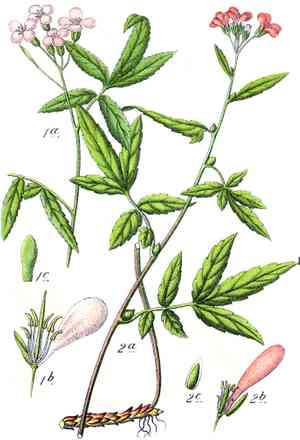
The ideal period for relocating coralroot bittercress spans from the height of spring blossoms until their decline, providing the best environment for development. Select a location that receives filtered sunlight and possesses damp earth. Careful manipulation guarantees the fragile root system of coralroot bittercress establishes successfully.
What Preparations are Needed Before Transplanting Coralroot Bittercress?
What is the Ideal Time for Transplanting Coralroot Bittercress?
The best time to move coralroot bittercress is during its spring revival, when days are comfortably warm and nights retain a cool crispness. Moving coralroot bittercress in these mild conditions promotes strong root development before the full intensity of summer. This timing leverages the plant's natural growth spurt, ensuring a smooth transition to its new spot. A gentle reminder: this advice aligns with coralroot bittercress's known growth cycle, avoiding any speculation.
How Much Space Should You Leave Between Coralroot Bittercress Plants?
Hello budding gardeners! When transplanting your coralroot bittercress, give them ample room to thrive by spacing them approximately 6-8 inches (15-20 cm) apart. This distance ensures each coralroot bittercress has sufficient space for root expansion without competing with nearby plants.
What is the Best Soil Mix for Coralroot Bittercress Transplanting?
Your coralroot bittercress will flourish in well-drained soil rich in organic material. Before transplanting, incorporate a balanced, slow-release fertilizer or compost to create a nourishing bed for your coralroot bittercress. Gently loosen the soil to help the roots settle in easily.
Where Should You Relocate Your Coralroot Bittercress?
Find a suitable location for your coralroot bittercress that receives partial shade, as they appreciate some protection from intense afternoon sun. An area that gets morning sunlight and afternoon shade would be perfect for these perennials to thrive.
What Equipments Should You Prepare Before Transplantation Coralroot Bittercress?
Gardening Gloves
To shield your hands while handling soil and plants.
Spade or Shovel
To excavate the plant and prepare the new planting site.
Garden Fork
To loosen soil and remove unwanted vegetation without harming the coralroot bittercress's roots.
Watering Can
To hydrate the plant before removal and after replanting.
Wheelbarrow
To transport the coralroot bittercress and soil effortlessly.
Pruning Shears
To trim any damaged roots or foliage.
Garden Trowel
For precise work and placement in the new spot.
Mulch
To help retain moisture and suppress weeds around the new planting area.
How Do You Remove Coralroot Bittercress from the Soil?
How Do You Remove Coralroot Bittercress from the Soil?
From Ground: First, moisten the coralroot bittercress plant to dampen the soil. Then, dig a wide circle around the plant with a spade or shovel, ensuring the plant's root ball stays intact. Carefully lift the plant from the ground.From Pot: Water the coralroot bittercress thoroughly. Turn the pot sideways, tap the base, and gently slide the plant out. Support the root ball to prevent it from breaking apart.From Seedling Tray: Water the seedling tray to moisten the soil. Use a garden trowel to gently lift the coralroot bittercress from its compartment, taking care to keep the roots undisturbed.
Step-by-Step Guide for Transplanting Coralroot Bittercress
Hole Preparation
Dig a hole in the chosen location that is twice as wide and the same depth as the coralroot bittercress's root ball. Loosen the soil at the bottom of the hole with a garden fork.
Root Inspection
Examine the coralroot bittercress's roots, trimming away any that are damaged or excessively long with pruning shears to encourage healthy growth.
Plant Lowering
Carefully place the coralroot bittercress in the center of the hole. The top of the root ball should be level with the surrounding soil surface.
Soil Backfill
Fill around the coralroot bittercress's root ball with soil, gently tamping down to remove air pockets without compacting the soil too much.
Watering
Water the coralroot bittercress thoroughly after planting, allowing water to penetrate deeply to reach the roots.
Mulching
Apply a layer of mulch around the base of the coralroot bittercress, being careful not to mound mulch against the stem or leaves, to conserve moisture and regulate soil temperature.
Support Installation
If the coralroot bittercress is tall or appears unstable, install a stake or other support structure and loosely tie the plant to it for additional stability.
How Do You Care For Coralroot Bittercress After Transplanting?
Regular Watering
Water the coralroot bittercress to keep the soil consistently moist for the initial few weeks, reducing frequency as the plant establishes.
Monitoring
Check the coralroot bittercress daily for signs of stress such as wilting, discoloration, or pests. Address issues promptly to ensure the plant's recovery from transplanting.
Support Adjustment
Adjust any stakes or supports as the coralroot bittercress grows to prevent damage and to provide necessary support only as long as needed.
Weed Control
Keep the area around the coralroot bittercress free of weeds, which can compete for nutrients and water.
Troubleshooting Common Issues with Coralroot Bittercress Transplantation.
Why isn't my coralroot bittercress settling in after transplanting?
Ensure you're transplanting during the optimal season, which is from mid to late spring. Check the soil moisture and light conditions as they significantly impact root establishment.
How far apart should coralroot bittercress be spaced when transplanting?
Ideally, space coralroot bittercress about 6-8 inches (15-20 cm) apart. This allows sufficient room for growth while maintaining a lush appearance.
How deeply should I plant coralroot bittercress's bulbs?
Bulbs should be planted so that the tip is just below the surface, roughly 2 inches (5 cm) deep, to provide adequate space for root development.
Can I transplant coralroot bittercress on a hot day?
Transplant coralroot bittercress on cooler, overcast days to reduce transplant shock. Intense heat can stress the newly transplanted bulbs.
What kind of soil is best for transplanting coralroot bittercress?
Use well-draining soil rich in organic matter. Coralroot bittercress thrives in soil that retains moisture without becoming waterlogged.
How much water does coralroot bittercress need after transplanting?
Water generously right after transplanting, then maintain consistent moisture without overwatering, especially during the root establishment phase.
Should I add fertilizer when transplanting coralroot bittercress?
It's not essential immediately; however, adding a slow-release fertilizer can encourage good root and foliage growth after the plant has settled.
Can I transplant coralroot bittercress in a shaded area?
Coralroot bittercress prefers partial shade, but too much shade can lead to poor growth. Choose a location that mimics its natural woodland habitat.
When is the coralroot bittercress too large to transplant effectively?
Coralroot bittercress can be divided if overgrown, before transplanting. If it's too large, divide carefully to maintain root integrity.
How do I protect coralroot bittercress from pests after transplanting?
Keep the area free of weeds and inspect regularly for pests. Use appropriate organic pesticides if necessary, but often good plant care reduces pest issues.



