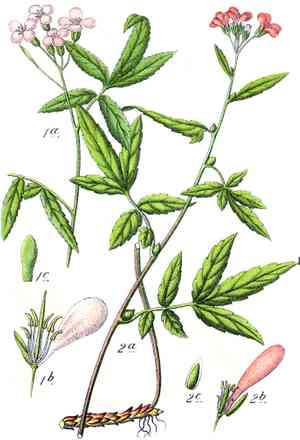
Coralroot bittercress (Cardamine bulbifera)
Also known as: Coralwort, Common toothwort, Toothcress
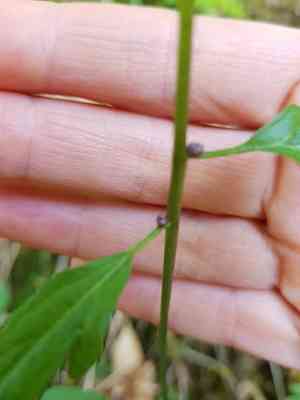
Coralroot bittercress (Cardamine bulbifera) is a perennial plant in the cabbage family, primarily found in mainland Europe and occasionally in the British Isles. The term "bulbifera" in its scientific name highlights its unique propagation method: the plant produces bulbils in the leaf axils, which eventually fall to the ground and develop into new plants.
In This Article
Attributes of Coralroot bittercress
Lifespan
Perennial
Plant Type
Herb
Plant Height
30 cm to 60 cm
Spread
30 cm
Leaf Color
Green
Flower Size
1 to 2 cm
Flower Color
Pink Purple
Images of Coralroot bittercress


Quickly Identify Coralroot bittercress
1
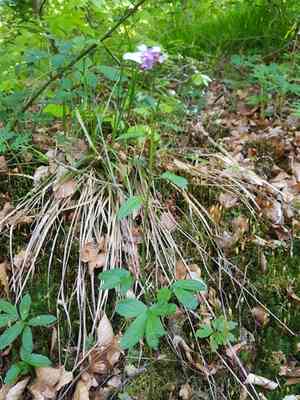
Cardamine bulbifera can be identified by its distinctive bulbils in the leaf axils, its pinnate leaves with 5-9 leaflets, and its purple to pinkish flowers, which appear in spring.
Scientific Classification of Coralroot bittercress
Phylum
Vascular plants
Class
Dicotyledons
Order
Brassicales
Family
Cruciferae
Genus
Bittercresses
Species
Coralroot bittercress
Planting and Growing of Coralroot bittercress
Care Difficulty
Easy
Watering Schedule
Every 4 days
Sunlight Requirements
Partial sun
Sunshine Duration
6-12 hours
Ideal Temperature
60-70℉
Soil Type
Potting Mix, Peat Mix
Soil pH
6.5-7.5
Fertilizer Type
Balanced
Pruning Season
Spring, Summer
Pruning Area
Branches, Leaves
Pruning Frequency
2 times a year
Repotting Season
Spring
Pot Type
Plastic, Ceramic
 How to Water Coralroot bittercress?
Water Cardamine bulbifera thoroughly, ensuring the soil is moist but not waterlogged. This species enjoys consistent moisture, so during each session, pour around 150 ml of water until it drips slightly from the bottom of the pot, indicating even distribution.
What are the symptoms of an underwatered Coralroot bittercress?
›
What should I do if my Coralroot bittercress is not getting enough water?
›
What are the symptoms of an overwatered Coralroot bittercress?
›
How to save an overwatered Coralroot bittercress?
›
 What Are the Sunlight Requirements for Coralroot bittercress?
Partial sun with 4-6 hours of filtered light daily ensures robust growth in Cardamine bulbifera. When provided within this range, the plant benefits from balanced energy intake, leading to a healthy appearance and vibrant green foliage that reflects optimal environmental conditions.
More About Sunlight Requirements Techniques→
What is the optimal light condition for Cardamine bulbifera?
›
How can I achieve ideal light conditions for this plant?
›
What are the benefits of providing ideal lighting?
›
 What Is the Ideal Temperature Range for Coralroot bittercress?
The ideal temperature range for Cardamine bulbifera is between 60°F and 70°F. This range provides optimal conditions for growth and ensures that the plant's metabolism, photosynthesis, and nutrient uptake processes are functioning efficiently. Maintaining this temperature range can help prevent stress and promote healthy development throughout its life cycle.
 What Soil is Best for Coralroot bittercress?
Cardamine bulbifera thrives in moisture-retentive soils that prevent it from drying out. This characteristic ensures the plant remains hydrated, supporting its lush growth and flower production. While these plants need moisture, they also require well-drained soil to prevent root rot. This balance helps maintain root health and promotes a strong, thriving plant. Nutrient-rich soil provides essential minerals and nutrients that Cardamine bulbifera uses for photosynthesis, growth, and flowering. It’s crucial for maintaining its vibrant appearance.
 How to Fertilize Coralroot bittercress?
For Cardamine bulbifera, it is important to use a balanced fertilizer. When using liquid fertilizer, dilute it to half the recommended concentration to avoid over-fertilizing. Apply approximately 50-100 ml of diluted liquid fertilizer per plant each time.
 How to Prune Coralroot bittercress?
Focus on cutting away dead, damaged, or crossing stems. This cleanup encourages better air circulation and light penetration, vital for the plant's health. Trim the stems to maintain a balanced shape that fits your garden design. This aesthetic pruning will help your Cardamine bulbifera blend harmoniously with surrounding plants.
More About Pruning Techniques→
 How to Propagate Coralroot bittercress plant?
1
Collect seeds from mature Cardamine bulbifera plants, dry them out, and store in a cool, dark place until early spring. Before sowing, seeds may need a period of stratification to enhance germination.
2
In early spring, sow the prepared seeds in seed trays filled with well-draining soil. Cover lightly with soil and water gently, placing the tray in a sunny location to encourage germination.
3
In spring, dig up a mature clump of Cardamine bulbifera, taking care not to damage the roots. Divide the clump into smaller sections ensuring each has roots and shoots, then replant in prepared soil.
 How to Repot Coralroot bittercress plant?
1
Repot Cardamine bulbifera in spring or autumn when growth is noticeable and roots start to crowd the pot. If you see roots through the drainage holes or slow growth, it's time to repot.
2
Choose a pot that is one size larger than the current one. It should have ample drainage holes to prevent waterlogging. A slightly larger pot gives roots room to expand, ensuring healthy plant development.
3
Opt for well-draining soil that retains some moisture but never becomes waterlogged. A mixture of loam, peat, and perlite provides the perfect balance for Cardamine bulbifera.
Learn More About Coralroot bittercress Diseases
Anthracnose
Bacterial Leaf Spot
Bacterial Soft Rot
Clubroot
Cyst Nematode
Damping-off
Downy Mildew
Fusarium Wilt
Gray Mold
Leaf Spot
Mosaic
Powdery Mildew
Root Rot
Root-knot Nematode
Rusts
White Mold
Chemical Injury
Drought Stress
Nutrient Deficiency
Nutrient Toxicity
Spider Mites
Temperature Stress
Thrips Damage



