How to Prune Coralroot bittercress?
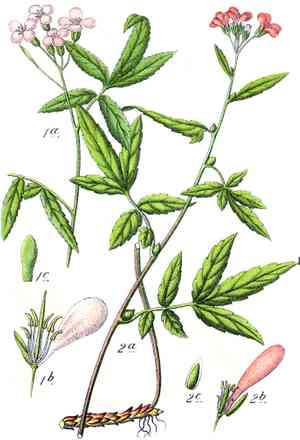
Distinguished by its grouped bulbils and subtle white to pinkish blossoms, coralroot bittercress flourishes with limited trimming. Snip spent flowers after their bloom period to encourage robust development and potentially additional flowering. Perform pruning during spring or summer, concentrating on lifeless or ailing stalks. Refrain from extensive cutting to preserve its inherent structure. Strategic pruning aids coralroot bittercress by fostering a dense form and hindering self-propagation, which can result in excessive spread within cultivated areas.
What Are the Benefits of Pruning Coralroot Bittercress?
What Are the Benefits of Pruning Coralroot Bittercress?
Trimming coralroot bittercress can stimulate its development and help maintain its desired form. This ensures a strong framework, fostering healthier foliage and a balanced look.
What Is the Best Time for Pruning Coralroot Bittercress?
What Is the Best Time for Pruning Coralroot Bittercress?
The optimal time for pruning coralroot bittercress is from late spring to early summer. This aligns with the plant's natural growth cycle, as it begins active development in spring. Pruning during this period encourages vigorous new growth, allows for the removal of any winter damage, and prepares the plant for the upcoming robust growing season. Furthermore, trimming after flowering helps preserve the plant's shape and health without sacrificing the season's blooms. This timeframe is strategic for cutting because it avoids pruning in fall or winter when new growth could be vulnerable to frost damage, and it permits wounds to heal in warm weather, reducing infection risks.
What Tools Do I Need to Prune Coralroot Bittercress?
Hand Pruners
Perfect for precise cuts on coralroot bittercress's slender stems, ensuring clean severance without harming the plant.
Garden Scissors
Effective for snipping off dead or yellowing leaves from coralroot bittercress, offering greater control than larger shears.
Pruning Snips
Excellent for deadheading coralroot bittercress's spent flowers to encourage more blooms and maintain the plant's appearance.
How to Prune Coralroot Bittercress
Sanitize
Before beginning, ensure all pruning tools are clean and disinfected to prevent disease transmission. Use rubbing alcohol or a bleach solution to sanitize the blades.
Remove diseased leaves
Carefully inspect coralroot bittercress for any signs of diseased foliage. Gently trim away these leaves using sharp, sanitized pruning shears, cutting them at the stem's base to avoid damaging the plant.
Remove withered leaves
Identify any withered or dead leaves and remove them by making clean cuts at their base where they connect to the stem. This helps prevent decay and promotes healthy growth.
Cut diseased stems
If any stems on coralroot bittercress are diseased, remove them by cutting at a 45-degree angle just above a healthy set of leaves or a growth node. This angle aids in healing and water runoff.
Dispose trimmed material
Properly dispose of all removed leaves and stems, away from healthy plants, to prevent the spread of any pathogens. Do not compost diseased plant material.
Common Pruning Mistakes with Coralroot Bittercress
Over-pruning
Removing too much foliage, which can stress coralroot bittercress and diminish its vitality or ability to flower.
Improper cut locatation
Making cuts too close to the main stem may harm the plant. Correct cuts should be made just above a leaf node or a dormant bud.
Using dull tools
Employing dull pruning tools can create jagged cuts that are more prone to disease and may impede healing.
Pruning healthy growth
Removing healthy, unobstructed growth can limit the potential flourishing of coralroot bittercress. Pruning should focus on dead or diseased stems.
Neglecting to disinfect
Failure to disinfect pruning tools between cuts can spread disease between plants or even different parts of the same plant.
Ignoring plant structure
Pruning without considering the natural growth habit and structure of coralroot bittercress may result in an undesirable shape or loss of flowers.
Common Pruning Tips for Coralroot Bittercress
Sharp tools
Ensure that pruning tools are sharp and clean before making any cuts to promote healthy healing.
Selective pruning
Selectively prune overcrowded areas to improve light penetration and air circulation, which can reduce the risk of disease.
Dead and diseased
Focus on removing dead, dying, or diseased growth to maintain coralroot bittercress's health and appearance.
Minimal pruning
Practice minimal pruning, as coralroot bittercress typically does not require heavy cutting back, and excessive pruning can harm the plant.
Cut angle
Make cuts at a 45-degree angle to prevent water from accumulating on the cut surface, which can lead to rot or fungal infections.
Follow natural shape
Follow the natural shape and growth habit of coralroot bittercress when pruning to maintain its aesthetic and health.



