How to Propagate Coralroot bittercress?
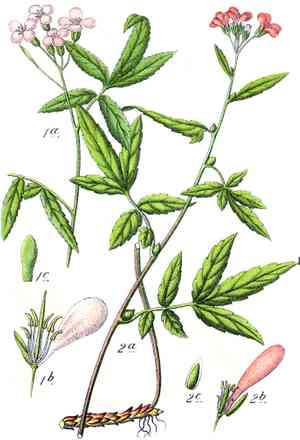
Coralroot bittercress is chiefly multiplied by seeding. Cultivators ought to sow its seeds in soil that drains effectively, making certain they are situated in a location receiving partial to complete shade. It is advantageous to sustain steady dampness without excessive watering, to foster ideal sprouting and development. To aid in the establishment of coralroot bittercress, incorporating organic compost into the earth can enhance richness and composition, encouraging more robust growth.
When Is the Optimal Time to Propagate Coralroot Bittercress?
Propagation Method
Seeding
Propagation Period
Spring
What Equipment Is Used for Coralroot Bittercress Propagation?
Seed trays
Seed trays are vital for sowing coralroot bittercress seeds in a controlled setting. These containers aid in organizing seeds properly and ensure each seed has ample room for root development. Their shallow depth and compartments facilitate easy transplanting of seedlings once mature, minimizing disruption to their delicate root systems.
Fine-grained soil or seed starting mix
A fine-textured soil or seed starting mix is crucial for coralroot bittercress seed germination. Such substrates offer necessary aeration and drainage while retaining sufficient moisture around the seeds. This type of medium also supports fragile roots without clumping, significantly boosting the likelihood of successful seedling growth.
Misting bottle
A misting bottle is employed to gently hydrate coralroot bittercress seeds and young seedlings. It ensures the soil is damp without being excessively wet, which could cause seed rot or fungal diseases. The fine mist produced by these bottles provides an ideal humidity level around the seeds, essential for germination.
Grow lights or cold frame
Grow lights or a cold frame might be needed to provide the necessary light and warmth for coralroot bittercress. These tools help create a microclimate with optimal light and temperature, which are critical for seed germination and early growth, especially where natural light is insufficient or the external climate is harsh.
Labels and markers
Labels and markers are important for tracking growth stages and varieties if multiple seeds are sown simultaneously. This organizational tool helps monitor progress and care requirements for each coralroot bittercress seedling effectively, preventing confusion and ensuring specific care routines are followed.
Dibber or pencil
A dibber or pencil is used to create small, precise holes in the soil for placing coralroot bittercress seeds. This tool ensures accurate depth control for sowing, which is vital for optimal seed germination. It helps achieve consistent planting depths across the tray, promoting uniform growth among all seedlings.
How to Propagate Coralroot Bittercress?
Propagation Difficulty
Simple
How to Nurture Your Newly Propagated Coralroot Bittercress?
How to Nurture Your Newly Propagated Coralroot Bittercress?
Following successful propagation, move young coralroot bittercress plants to their permanent garden spot. They thrive in partial shade and moist, well-drained soil. Consistent watering is crucial, especially during dry spells, but avoid waterlogging. As a woodland plant, coralroot bittercress benefits from an annual layer of leaf mold or compost to mimic its natural environment and support healthy development.
Common Errors to Avoid When Propagating Coralroot Bittercress
Overwatering
Excessive watering of coralroot bittercress can lead to root rot and fungal infections, severely compromising its health and reducing successful propagation chances.
Poor soil selection
Using overly dense or poorly draining soil can stress coralroot bittercress, hindering root development and decreasing survival rates during propagation.
Ignoring bulb health
Failing to inspect bulb health before planting can result in propagating diseased or non-viable specimens, leading to poor growth or failure to establish.
Advice For Propagating Coralroot Bittercress
Appropriate soil medium
Utilize a well-draining soil mix enriched with organic matter to support the healthy root growth of coralroot bittercress, enhancing the plant's overall vigor and propagation success.
Maintain moderate moisture
Keep the soil consistently damp but not saturated to support coralroot bittercress growth without risking root rot.
Inspect and select healthy bulbs
Carefully examine and choose healthy bulbs for planting. Healthy bulbs are firm and free of spots or mold, indicating better propagation outcomes.



