The Coralroot bittercress Plant Advantage: Maximizing Home and Office Appeal and Wellness
1
This enduring plant flourishes in shadowy forest environments and moist ground.
2
Its foliage and root system are recognized for their abundant nutritional content.
3
In the past, it was employed in diverse customary applications owing to its advantageous characteristics.
What Makes Coralroot bittercress Unique?
Ecological Significance
Coralroot bittercress plays a vital role in its ecosystem by offering shelter and sustenance to various insects and animals. Its presence signifies healthy soil and a flourishing forest, making it an excellent choice for woodland gardens and shaded areas.
Visual Appeal
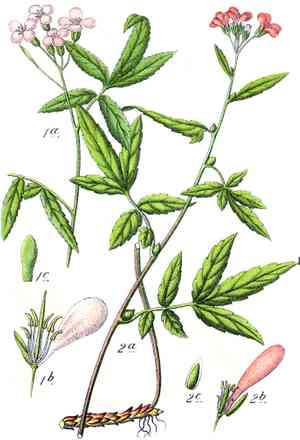
Beyond its ecological advantages, Coralroot bittercress offers considerable aesthetic value. With its delicate, fern-like leaves and attractive bulbils, it can add a touch of grace to gardens, making it a favorite among gardening enthusiasts.
Nutritional Content of Coralroot bittercress
Rich in Essential Nutrients
Coralroot bittercress is packed with a range of vital nutrients that can contribute to a balanced diet. Its leaves are a good source of vitamins and minerals, including vitamin C, potassium, and calcium, which are crucial for maintaining overall health.
Incorporating Coralroot bittercress into Your Diet
Adding Coralroot bittercress to your diet can be both straightforward and rewarding. You can include its leaves in salads, soups, and herbal teas, providing a nutritious boost to your meals. Always ensure proper identification and preparation of the plant to avoid potential errors.
How Can You Grow Coralroot bittercress in Your Garden?
Growing Conditions
Coralroot bittercress thrives in shaded or partially shaded locations with moist, well-drained soil. It is particularly well-suited to woodland gardens where it can benefit from the natural tree cover and damp environment. Planting it among other woodland species can help replicate its natural habitat.
Propagation Methods
Coralroot bittercress can be propagated using its bulbils, which grow on the stems. These bulbils can be collected and replanted in suitable conditions. Ensuring adequate moisture levels and a shaded environment will help the plant establish and flourish.
What Are the Traditional Uses of Coralroot bittercress?
Historical Applications
Throughout history, Coralroot bittercress has been valued for various traditional uses. In some cultures, it has been used in ceremonies or as part of culinary practices. Its unique properties have made it a versatile addition to traditional ways of life.
Culinary and Cultural Importance
The cultural significance of Coralroot bittercress extends beyond its practical uses. In certain regions, it holds symbolic meaning and is associated with resilience and survival due to its robust nature and ability to thrive in challenging conditions.
How to Enhance Your Garden with Coralroot bittercress
Design Concepts
Coralroot bittercress can be a charming addition to various garden designs. Consider planting it along paths, in shaded garden beds, or as part of a mixed woodland border to create a naturalistic and tranquil garden environment.
Companion Planting
Pairing Coralroot bittercress with other shade-loving plants such as ferns, hostas, and woodland wildflowers can enhance the beauty and biodiversity of your garden. These combinations can create lush, multi-layered landscapes that mimic natural ecosystems.



