How to Transplant Littleleaf peashrub?
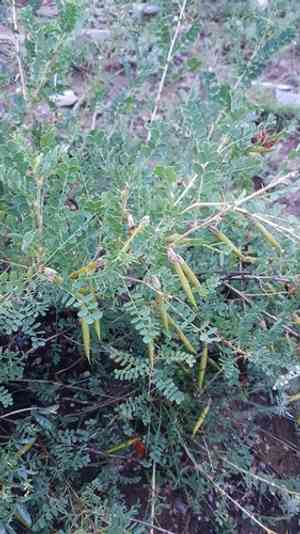
Relocating littleleaf peashrub is most effective during the warm period of early to mid-summer, which facilitates robust root development. Choose a site that receives ample sunlight and possesses soil with good drainage. Should it be necessary, amend the soil before transplantation to achieve superior outcomes.
What Preparations are Needed Before Transplanting Littleleaf Peashrub?
What is the Ideal Time for Transplanting Littleleaf Peashrub?
Move littleleaf peashrub during the pleasant period of late spring to early midsummer, when the ground is warm and nourishing. This ensures root establishment prior to winter. Relocating littleleaf peashrub at this time capitalizes on the peak growing season, leading to strong establishment and vigor. A gentle summer breeze combined with mild sun promotes optimal root development and adaptation for littleleaf peashrub, setting the stage for a burst of green splendor in your garden.
How Much Space Should You Leave Between Littleleaf Peashrub Plants?
When relocating your littleleaf peashrub, provide them ample room to thrive! Position them 36-60 inches (91-152 cm) apart. This grants each plant sufficient area to develop robust and healthy roots without crowding.
What is the Best Soil Mix for Littleleaf Peashrub Transplanting?
For your littleleaf peashrub, prepare a location with well-draining soil. Enhance the planting area with a balanced, slow-release fertilizer to give them an excellent start. Aim for a pH that is neutral to slightly alkaline, and remember to thoroughly mix the fertilizer into the soil before planting.
Where Should You Relocate Your Littleleaf Peashrub?
Select a sunny spot for your littleleaf peashrub as they prefer bright conditions! Full sunlight aids their best growth, but they can tolerate some shade. Aim for at least 6 hours of daily sunlight to keep your littleleaf peashrub content and thriving.
What Equipments Should You Prepare Before Transplantation Littleleaf Peashrub?
Gardening Gloves
To safeguard your hands while handling soil and the plant.
Shovel or Spade
For excavating around and beneath the root ball.
Pruning Shears
To trim any dead or overgrown roots and branches.
Wheelbarrow
For moving the plant and soil.
Watering Can or Hose
To hydrate the plant before and after relocation.
Mulch
To maintain soil moisture and regulate ground temperature around the littleleaf peashrub.
Stake or Plant Support
To stabilize littleleaf peashrub if needed post-transplant.
How Do You Remove Littleleaf Peashrub from the Soil?
How Do You Remove Littleleaf Peashrub from the Soil?
From Ground: Water the littleleaf peashrub thoroughly to moisten the soil. Use a shovel or spade to dig a wide trench around the plant, being extra careful not to harm the root ball. Gently work the tool under the root ball to lift the entire plant from its spot.From Pot: Water the littleleaf peashrub in its container completely. Turn the pot on its side and tap the edges to loosen the soil. Carefully pull the plant by its base, supporting the root ball, to extract it from the pot.From Seedling Tray: Water the seedlings to ensure the soil is damp. Use a spoon or a dibber to gently lift each seedling out of the tray, taking care not to damage the delicate roots.
Step-by-Step Guide for Transplanting Littleleaf Peashrub
Preparation
Before extracting littleleaf peashrub from its original spot, ensure the new planting site is ready. Dig a hole twice as wide as the root ball but only as deep to prevent sinking.
Root Ball Care
Examine the root ball of the littleleaf peashrub, trimming any broken or excessively long roots with pruning shears. Aim for a healthy, compact root system.
Planting
Position the littleleaf peashrub in the center of the hole. Fill the surrounding area with soil, gently compacting it to remove air pockets.
Stabilization
If littleleaf peashrub is tall or unsteady, use a stake for support. Gently tie the plant to the stake, allowing some room for movement.
Watering
Water littleleaf peashrub thoroughly after planting, ensuring the water penetrates deeply to reach the roots.
Mulching
Apply a layer of mulch around the base of the littleleaf peashrub to help retain moisture and regulate soil temperature.
How Do You Care For Littleleaf Peashrub After Transplanting?
Support
Check the stakes periodically and loosen or adjust ties as the littleleaf peashrub grows.
Monitoring
Observe the littleleaf peashrub for indications of stress, such as wilting or discolored leaves, and address any issues promptly.
Pruning
Trim any damaged or dead branches to encourage healthy new growth. Avoid extensive pruning immediately after transplanting.
Mulching
Replenish the mulch layer as needed to maintain its beneficial effects.
Troubleshooting Common Issues with Littleleaf Peashrub Transplantation.
What's the best time for littleleaf peashrub transplantation?
The optimal period to transplant littleleaf peashrub is from early to mid-summer, ensuring warmer soil for root establishment.
How far apart should I space littleleaf peashrub when transplanting?
For ideal growth, position littleleaf peashrub approximately 36-60 inches (91-152 cm) apart, allowing ample room for expansion.
Why are my littleleaf peashrub plants wilting after transplantation?
Wilting may be due to transplant shock. Keep the soil consistently moist and shield the plants from intense sunlight for a few days.
When transplanting littleleaf peashrub, how deep should the hole be?
Dig a hole twice the width of the root ball and the same depth, to promote healthy root growth without burying the stem too deep.
Should I fertilize littleleaf peashrub immediately after transplanting?
Avoid fertilizing right after transplanting. Wait until littleleaf peashrub has settled for a few weeks to prevent burning the roots.
How do I ensure my littleleaf peashrub acclimates successfully post-transplant?
Water thoroughly after transplanting and maintain consistent moisture levels without overwatering. A layer of mulch can aid acclimatization.
What signs indicate transplant failure in littleleaf peashrub?
Stunted growth, yellowing or dropping leaves, and absence of new growth can signal a transplant problem.
How can I protect littleleaf peashrub from pests after transplanting?
Inspect regularly and gently wash foliage with water. Use appropriate, mild insecticides if pest issues persist.
Can littleleaf peashrub be transplanted on cloudy days?
Yes, transplanting on overcast days or in the late afternoon can lessen transplant shock by avoiding the strong midday sun.
Is pre-transplant pruning necessary for littleleaf peashrub?
Pruning is not essential but trimming back long shoots can encourage littleleaf peashrub to focus on establishing its root system.



