How Much Sunlight Do Littleleaf peashrub Need?
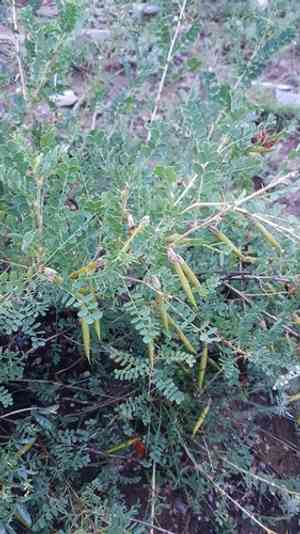
1
Littleleaf peashrub flourishes in direct sunlight but can endure some dappled light.
2
Position your Littleleaf peashrub in spots that get a minimum of 6 hours of sun daily.
3
Observe your Littleleaf peashrub for indications of leaf burn or stunted development to modify its light exposure as needed.
Optimal Light Conditions for Littleleaf Peashrub
Full Sun Requirements
A primary need for cultivating a thriving Littleleaf peashrub is ensuring ample sunlight. This robust shrub flourishes best in full sun, necessitating at least 6 hours of direct daily sunlight. Sufficient light aids the shrub in producing its characteristic yellow blooms and dense, vibrant foliage. Given its origin in sun-rich regions, it adapts well to consistent exposure, making full sun an ideal state for its development.
Partial Shade Tolerance
While Littleleaf peashrub performs optimally in full sun, it can also endure light partial shade. In situations where full sun is limited, ensuring the plant receives at least 4 to 6 hours of unobstructed sunlight can be adequate. This adaptability is beneficial if your garden or yard experiences varying sun and shade throughout the day. However, closer observation is crucial in partial shade to confirm healthy growth and the absence of insufficient light symptoms.
Placement Advice for Ideal Sunlight
Best Garden or Yard Locations
When selecting a site for your Littleleaf peashrub, aim for the sunniest spot in your garden or yard. Southern and western orientations typically receive the most sunlight throughout the day. Position the shrub in an open area where taller plants, trees, or structures like fences will not cast shadows that restrict sunlight. By thoughtfully planning your garden's layout, you can maximize the exposure your Littleleaf peashrub receives, ensuring vigorous growth and vivid blossoms.
Indoor vs. Outdoor Positioning
Although Littleleaf peashrub is best suited for outdoor settings due to its significant light demands, indoor cultivation is possible if placed in a sufficiently bright location. A south-facing window is ideal for indoor growth. However, be aware that even the brightest indoor spots may not match the intensity and duration of outdoor sunlight. In such cases, consider supplementing with grow lights to provide the necessary photothermal energy.
Modifying Sunlight Exposure
Seasonal Adaptation Methods
Sunlight availability changes with the seasons, and so must the care for your Littleleaf peashrub. During longer summer days, the plant receives abundant natural light. However, in winter months when daylight is shorter, consider positioning the shrub where it captures the most morning sunlight to compensate for limited hours. The plant's ability to adapt to light variations helps it maintain healthy growth across seasons, provided it receives periods of uninterrupted light exposure.
Managing Excessive Sunlight
Littleleaf peashrub generally tolerates full sunlight well, but in extremely hot climates, there's a potential risk of leaf burn. If you notice symptoms like yellowing or browning leaves, especially on the sun-exposed side, offer some temporary, light shade. This can be achieved with shade cloths or by placing taller plants nearby to cast partial shade during the hottest afternoon sun. This balance helps mitigate damage from excessive sunlight without severely limiting the plant's overall light intake.
Indicators of Insufficient Light
If your Littleleaf peashrub isn't receiving enough light, it will display several warning signs. Common indicators include elongated stems as the plant stretches toward any available light, sparse foliage, and a lack of blooms. Leaves may also appear dull or a lighter green than usual. If these signs appear, it's crucial to promptly move your shrub to a brighter location, ensuring it gets the necessary exposure to flourish.
Common Sunlight Issues and Solutions
Leaf Scorching
Leaf scorching typically manifests as browned or crispy leaf edges and tips. This problem occurs under intense, direct sunlight combined with high temperatures. To prevent leaf scorching, provide midday shade during the hottest weeks, or water the soil consistently in the early morning to help the plant retain moisture and reduce heat stress.
Stunted Growth
Poor growth can result from inadequate sunlight. If your Littleleaf peashrub exhibits stunted development, reduced flowering, or pale leaves, consider relocating it to a spot with more direct sunlight. Supplementing with appropriate fertilizers can also aid recovery and encourage robust growth.
Acclimatizing to New Environments
When moving your Littleleaf peashrub to a new environment, gradual acclimatization is essential. Introduce the plant to increased or decreased sunlight slowly to prevent shock. Begin by exposing it to an hour or two more sunlight daily for about a week, progressively moving towards the ideal sunlight exposure. This method ensures the plant adapts smoothly without experiencing stress.



