The Littleleaf peashrub Plant Advantage: Maximizing Home and Office Appeal and Wellness
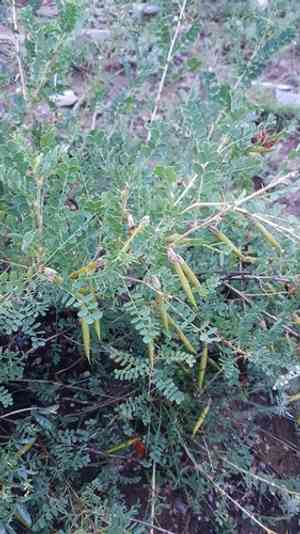
1
The Littleleaf peashrub is a hardy, drought-resistant plant well-suited for dry regions.
2
It's recognized for its capacity to enhance soil health by fixing nitrogen.
3
Littleleaf peashrub functions as an effective natural wind barrier, safeguarding other vegetation and harvests.
Why is Littleleaf peashrub a Perfect Plant for Arid Climates?
Drought-Resistant Qualities
Littleleaf peashrub is exceptionally well-suited for areas experiencing minimal rainfall. Its deep root structure enables it to access water from deeper soil layers, making it highly tolerant to dry conditions. This trait is especially advantageous for arid and semi-arid regions where water availability is a constant concern.
Low Maintenance Requirements
Unlike many other plants, Littleleaf peashrub demands minimal upkeep once established. It can flourish in poor soil conditions and doesn't require frequent watering or fertilization. This makes it an ideal option for gardeners seeking low-effort yet effective solutions to enhance their outdoor spaces.
How Does Littleleaf peashrub Improve Soil Quality?
Nitrogen Fixation
A key advantage of Littleleaf peashrub is its capacity to boost soil fertility through nitrogen fixation. The plant forms symbiotic relationships with nitrogen-fixing bacteria in its root nodules, converting atmospheric nitrogen into a usable form for plants. This enriches the soil and negates the need for chemical fertilizers, fostering a more sustainable approach to gardening and farming.
Soil Erosion Control
Littleleaf peashrub's extensive root system also plays a crucial role in preventing soil degradation. The roots help bind the soil, reducing the likelihood of erosion caused by wind and water runoff. This protective feature is invaluable for maintaining soil health and ensuring long-term agricultural productivity.
What Are the Ecological Benefits of Littleleaf peashrub?
Natural Habitat Creation
Littleleaf peashrub offers vital habitat for various wildlife, including birds and beneficial insects. Its dense foliage provides shelter and nesting sites, promoting biodiversity in the area. By planting Littleleaf peashrub, you can cultivate a thriving ecosystem in your own garden.
Windbreaks and Shelterbelts
Littleleaf peashrub can be effectively utilized as a natural wind barrier. Its dense growth pattern helps to decrease wind speed, safeguarding more delicate plants and crops nearby. This is particularly useful in open areas or farms where wind can cause significant damage.
How Can Littleleaf peashrub Contribute to Sustainable Landscaping?
Erosion and Runoff Control
As previously noted, the robust root system of Littleleaf peashrub aids in preventing soil erosion. This characteristic is particularly beneficial for landscape projects aiming to manage runoff and preserve soil structure. It allows for improved water absorption and lessens the impact of heavy rains on the soil.
Low Water Usage
In today's world, where water conservation is increasingly vital, Littleleaf peashrub stands out as an excellent choice for sustainable landscaping. Its minimal water requirement makes it a perfect addition to xeriscape gardens and other water-efficient landscaping techniques.
What Role Can Littleleaf peashrub Play in Agroforestry Systems?
Crop Protection
Incorporating Littleleaf peashrub into agroforestry systems can offer numerous benefits, including natural pest management. The plant attracts various helpful insects that can assist in controlling pest populations, reducing the need for chemical pesticides.
Enhanced Crop Yields
The nitrogen-fixing capability of Littleleaf peashrub can boost nutrient availability in the soil, benefiting adjacent crops. Farmers have observed increased yields and improved crop health when Littleleaf peashrub is integrated into their farming systems, making it a valuable asset in sustainable agriculture.
Is Littleleaf peashrub Suitable for Urban Landscaping?
Aesthetic and Functional Value
Littleleaf peashrub is not only practical but also adds visual appeal to urban environments. Its vibrant green foliage and yellow spring blooms can offer a pleasing contrast to the often monotonous urban setting. Additionally, its ability to serve as a windbreak can protect more sensitive ornamental plants and structures.
Air Quality Improvement
Furthermore, Littleleaf peashrub can contribute to enhancing air quality in city areas. Like many plants, it absorbs carbon dioxide and releases oxygen, helping to filter pollutants from the air. This not only benefits the environment but also improves the quality of life for urban residents.



