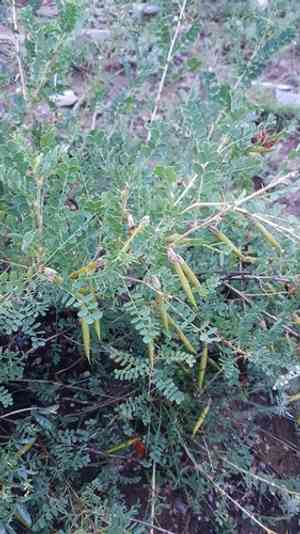
Littleleaf peashrub (Caragana microphylla)
Also known as: Small-leaf Peashrub, Littleleaf Caragana
A suitable shrub that fits this description is the small-leaved pea shrub. This broad shrub typically grows to a height of 2 meters and occasionally up to 3 meters. It has branches that can be either smooth or covered with fine, woolly hairs, featuring dark gray to dark green bark. The leaves are composed of a petiole and a pinnate leaf blade.
In This Article
Attributes of Littleleaf peashrub
Lifespan
Perennial
Plant Type
Shrub
Plant Height
1-3 meters
Spread
1-2 meters
Leaf Color
Green
Flower Size
1-2 cm
Flower Color
Yellow
Images of Littleleaf peashrub
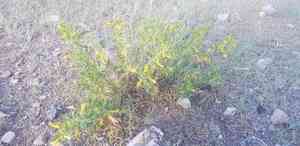
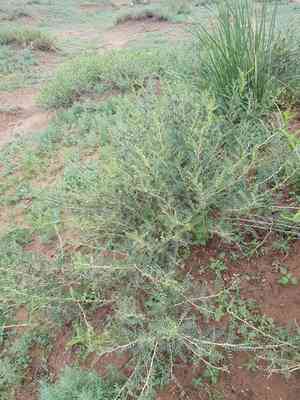
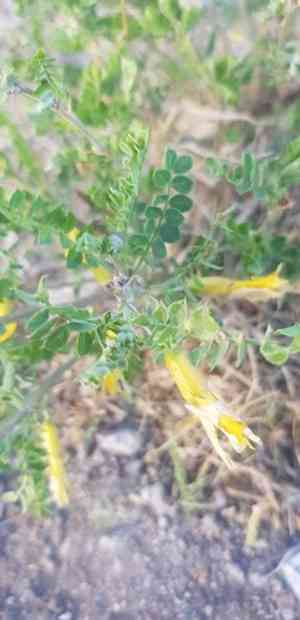
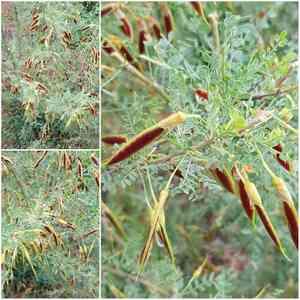
Quickly Identify Littleleaf peashrub
1
Caragana microphylla can be identified by its small, pinnate leaves with 8-12 pairs of leaflets, yellow pea-like flowers, and its thorny branches. The shrub typically grows in arid and semi-arid regions.
Scientific Classification of Littleleaf peashrub
Phylum
Vascular plants
Class
Dicotyledons
Order
Fabales
Family
Legume
Genus
Peashrubs
Species
Littleleaf peashrub
Planting and Growing of Littleleaf peashrub
Care Difficulty
Easy
Watering Schedule
Every 2 days
Sunlight Requirements
Full sun
Sunshine Duration
4-8 hours
Ideal Temperature
50-77℉
Soil Type
Potting Mix, Peat Mix
Soil pH
6.5-7.5
Fertilizer Type
Balanced
Pruning Season
Spring, Summer
Pruning Area
Branches, Leaves
Pruning Frequency
2 times a year
Repotting Season
Spring
Pot Type
Plastic, Ceramic
 How to Water Littleleaf peashrub?
Caragana microphylla, or the small-leaved Siberian pea shrub, prefers deep watering that allows the soil to dry slightly between sessions. Aim for providing around 500 milliliters of water per session, ensuring the water reaches the root zone without causing waterlogging.
What are the symptoms of an underwatered Littleleaf peashrub?
›
What should I do if my Littleleaf peashrub is not getting enough water?
›
What are the symptoms of an overwatered Littleleaf peashrub?
›
How to save an overwatered Littleleaf peashrub?
›
 What Are the Sunlight Requirements for Littleleaf peashrub?
Caragana microphylla thrives best in full sun conditions. Exposure to ample sunlight ensures vigorous growth and optimal flowering, contributing to a healthy, robust plant structure.
More About Sunlight Requirements Techniques→
Question 1: What type of sunlight does Caragana microphylla thrive in?
›
Question 2: How can I ensure Caragana microphylla gets enough sunlight?
›
Question 3: What are the benefits of providing ideal sunlight to Caragana microphylla?
›
 What Is the Ideal Temperature Range for Littleleaf peashrub?
Maintaining the ideal temperature range of 50°F to 77°F is crucial for Caragana microphylla because it supports optimal growth and photosynthesis. Within this temperature range, the plant can efficiently carry out metabolic activities, leading to healthy development and optimal yield of flowers or pods.
 What Soil is Best for Littleleaf peashrub?
Caragana microphylla thrives in well-drained soil which prevents root rot by allowing excess water to escape quickly. This is particularly beneficial in regions with frequent rains. A nutrient-rich soil ensures healthy growth and enhances flowering by providing essential elements. This is crucial for maintaining its vibrant foliage and robust overall health. Soil aeration facilitates root expansion and nutrient uptake, crucial for the plant's survival in diverse conditions. It significantly boosts plant vigor and resilience to environmental stresses.
 How to Fertilize Littleleaf peashrub?
Caragana microphylla typically requires a moderate amount of fertilizer to thrive. For liquid fertilizer, use a diluted solution at the strength of about 50% of the recommended amount to avoid over-fertilization. For slow-release fertilizers, use around 100 grams per plant annually, distributed over the growing season.
 How to Prune Littleleaf peashrub?
Begin by identifying any dead or diseased branches. These should be removed first to prevent the spread of disease and to improve the overall appearance of the plant. Use clean and sharp pruning shears for clean cuts. Always cut back to healthy wood, making your cut just above a bud or branch junction. Once deadwood is cleared, focus on shaping the plant. Caragana microphylla typically has a naturally attractive shape, but light shaping can improve its aesthetics. Cut back overgrown or leggy branches, always maintaining a balanced form. Keep an eye out for branches crossing or rubbing against each other, as these can cause damage over time.
More About Pruning Techniques→
 How to Propagate Littleleaf peashrub plant?
1
Start by sowing the seeds in seed trays filled with potting mix. Lightly cover them with soil and keep the medium consistently moist. Ensure the trays are placed in a warm, sunny location to enhance germination rates.
2
For cutting propagation, select healthy branches and use pruning shears to make smooth cuts just below a node. Dip the cut ends in rooting hormone to encourage root formation. Make sure each cutting is about 10-15 cm in length and has multiple leaves.
3
Insert the cuttings into small pots filled with a well-draining rooting medium, ensuring at least one node is buried. Water the pots gently to settle the soil around the cuttings and place them in a bright, indirect light environment to foster growth.
 How to Repot Littleleaf peashrub plant?
1
Caragana microphylla should be repotted when you notice its roots emerging from the drainage holes of the pot, or when growth seems stunted. Spring and Autumn are ideal seasons, as the plant can better recover from being moved during these less stressful periods.
2
Select a pot that is slightly larger than the current one, with ample drainage holes to prevent waterlogging. The pot should provide enough space for root expansion, ensuring a stable environment for robust growth and allowing excess moisture to escape, which is vital for plant health.
3
Opt for a well-drained sandy loam to mimic the plant's natural habitat. This type of soil offers ample aeration for root development while promoting effective water drainage, minimizing the risk of root rot and ensuring healthy plant growth.



