How to Prune Littleleaf peashrub?
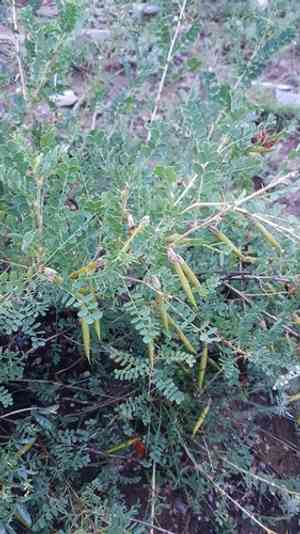
A robust bush featuring diminutive leaves, the littleleaf peashrub flourishes with regular trimming. To foster vigorous development and an attractive form, conduct pruning in early spring prior to new shoots emerging, or during its dormant phase in winter. Remove aged, frail branches to stimulate revitalization. Thinning cuts improve light exposure and air movement, thereby lowering the likelihood of disease. Deliberate pruning additionally manages its dimensions and encourages thick, abundant foliage.
What Are the Benefits of Pruning Littleleaf Peashrub?
What Are the Benefits of Pruning Littleleaf Peashrub?
Littleleaf peashrub benefits from trimming as it promotes abundant blooming. Strategic cuts also strengthen littleleaf peashrub's resistance to pests and diseases, contributing to a healthier specimen.
What Is the Best Time for Pruning Littleleaf Peashrub?
What Is the Best Time for Pruning Littleleaf Peashrub?
Trimming littleleaf peashrub in early spring is recommended to avoid removing new growth that emerges post-pruning. Late winter pruning is suitable for eliminating dead or diseased branches, as the plant remains dormant and is less likely to be stressed by the process. In early spring, winter damage can be assessed, and the plant is about to enter a growth phase, ensuring quick healing of pruning wounds. Avoid pruning during active growth periods or just before dormancy in the fall to prevent unnecessary stress on littleleaf peashrub. These seasons help maintain the plant's health while maximizing its flowering potential.
What Tools Do I Need to Prune Littleleaf Peashrub?
Hand Pruners
Perfect for making precise cuts on littleleaf peashrub's smaller branches, typically up to 1/2 inch in diameter. They ensure clean, healthy cuts without harming surrounding plant tissue.
Loppers
Ideal for cutting through thicker branches of littleleaf peashrub, usually up to 1 1/2 inches in diameter. The long handles provide leverage for cutting tough wood without excessive effort.
Pruning Saws
Recommended for littleleaf peashrub's larger branches exceeding 1 1/2 inches in diameter. A pruning saw facilitates clean cuts through dense growth.
Hedge Shears
Useful for shaping littleleaf peashrub's foliage and maintaining a desired form. They allow for trimming multiple small branches simultaneously, ensuring a uniform appearance.
How to Prune Littleleaf Peashrub
Identify
Thoroughly inspect littleleaf peashrub to pinpoint diseased leaves, withered leaves, dead branches, diseased branches, spent flowers, and overly vigorous growth.
Disinfect
Before beginning, sanitize pruning tools to prevent the spread of disease to healthy parts of littleleaf peashrub.
Cut diseased and dead
Using sharp, clean shears, remove all diseased and dead material including leaves, branches, and spent flowers. Make cuts at a 45-degree angle just above a healthy bud or node.
Shape
Selectively trim excessive growth branches to maintain the shape and encourage air circulation within littleleaf peashrub's foliage. Avoid aggressive pruning, as this can stress the plant.
Cleanup
After pruning, clear all cuttings from the base of littleleaf peashrub to prevent rot and deter pests.
Common Pruning Mistakes with Littleleaf Peashrub
Over pruning
Removing too much foliage, which can stress littleleaf peashrub and diminish its capacity to photosynthesize and thrive.
Improper cut location
Making cuts too far from a bud or node can lead to dieback, while cutting too close can damage emerging growth.
Pruning too young
Pruning littleleaf peashrub too early in its development can impede its natural shape and vigor.
Ignoring health
Failing to remove dead, diseased, or damaged branches can lead to further health issues for littleleaf peashrub, such as the spread of pests or diseases.
Uneven pruning
Pruning without symmetry can result in an unbalanced growth pattern and an aesthetically unpleasing form.
Using dull tools
Cutting with dull tools can create jagged cuts that harm littleleaf peashrub and increase its susceptibility to disease.
Common Pruning Tips for Littleleaf Peashrub
Correct cut angles
Make angled cuts just above an outward-facing bud or node to promote outward growth and prevent water accumulation, which can lead to rot or disease.
Sanitize tools
Clean pruning tools before use to prevent the accidental spread of diseases between plants.
Natural shape
Follow the natural form of littleleaf peashrub when pruning to enhance its growth patterns rather than working against them, which promotes plant health.
Post bloom pruning
Prune littleleaf peashrub after flowering to shape the plant and remove spent blooms, which can help stimulate the next season's growth.
Thin crowded areas
Thin out congested branches to improve air circulation and light penetration, which are essential for littleleaf peashrub's overall health and flowering ability.
Gradual pruning
Approach pruning in stages, especially with dense growth, to allow for assessment of the plant's response, encouraging more deliberate and effective pruning decisions.



