How to Transplant Giant bellflower?
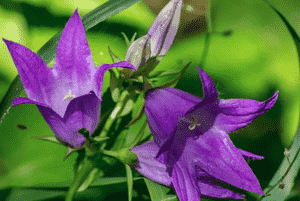
The optimal period for relocating giant bellflower is during the mild conditions of mid-spring, allowing roots to firmly establish prior to the summer heat. Select a location that offers partial shade and soil capable of retaining moisture. This environment is perfect for vigorous development after transplantation, without outlining the specific steps of the process.
What Preparations are Necessary Before Relocating Giant Bellflower?
What is the Perfect Time for Moving Giant Bellflower?
The prime window for relocating giant bellflower is in early spring. This timing allows giant bellflower to establish its root system in mild conditions before the summer heat. Ensuring giant bellflower is moved when the ground is warm and damp encourages vigorous growth, and prevents frost damage. Seize this chance to revitalize your garden as giant bellflower can thrive with extended daylight and moderate temperatures, setting the stage for a spectacular display.
How Much Room Should You Provide Between Giant Bellflower Plants?
Allow giant bellflower ample room to expand by aiming for a spacing of approximately 2-3 feet (60-90 cm). This provides each plant sufficient area to reach its full size, creating a balanced and attractive arrangement in your garden.
What is the Optimal Soil Mixture for Giant Bellflower Relocation?
The soil for giant bellflower should be rich, well-draining, and ideally chalky, loamy, or sandy. To give your transplanted plants a strong start, enrich the soil with a foundational fertilizer high in phosphorus, which supports robust root development.
Where Should You Replant Your Giant Bellflower?
Select a spot in your garden that offers full sun to partial shade. Giant bellflower can withstand various light conditions, but the correct balance will result in healthier plants. As a novice, it's essential to observe where the sun's rays fall throughout the day!
What Tools Should You Prepare Before Transplanting Giant Bellflower?
Gardening Gloves
Protect your hands while working with the soil and giant bellflower.
Shovel or Spade
For digging the new hole and assisting in removing the giant bellflower from its original spot.
Trowel
To gently extract the giant bellflower from a pot or seedling tray.
Garden Fork
Useful for loosening the soil around the giant bellflower.
Watering Can or Hose
Required to keep the soil moist and provide adequate water for the giant bellflower.
Mulch
Helps to retain moisture in the soil around the giant bellflower after transplantation.
Stake
If giant bellflower appears weak or unstable after transplanting, a stake will offer support.
How Do You Extract Giant Bellflower from the Soil?
How Do You Extract Giant Bellflower from the Soil?
From Ground: First, moisten the soil around giant bellflower with ample water. Then, using a shovel or garden fork, dig a wide circle around the plant, ensuring not to disturb the root ball. Afterward, use the shovel to lift the giant bellflower plant from its current location. From Pot: If the giant bellflower is in a pot, begin by watering it thoroughly. Then, put on your gardening gloves, turn the pot sideways while gently holding your giant bellflower, and slide the plant out of the pot. From Seedling Tray: Water the tray first. Then, using a trowel, gently dig around the giant bellflower to loosen it, lifting it out ensuring you have as much of the root ball as possible.
Step-by-Step Guide for Relocating Giant Bellflower
Preparation
Start by preparing the new site. Dig a hole that is roughly twice as wide and the same depth as the root ball of your giant bellflower.
Insertion
Place your giant bellflower into the hole. Ensure that the top of the root ball is level with the ground surface.
Backfilling
Fill the hole with the necessary soil, gently firming it around the base of the giant bellflower.
Watering
Water the giant bellflower generously using a watering can or hose immediately after planting.
Mulching
Apply mulch around the giant bellflower to help conserve moisture and prevent weeds. Keep mulch at least an inch away from the stem to avoid rot.
How Do You Care For Giant Bellflower After Relocation?
Watering
Keep the root area of the giant bellflower consistently moist for the initial few weeks following transplantation. Avoid overwatering to prevent root rot.
Mulching
Replenish the layer of mulch when it begins to break down or wash away. It provides the giant bellflower additional nutrients, retains moisture, and reduces weed competition.
Staking (if needed)
If giant bellflower appears unstable or weak after transplanting, use a stake for support. However, avoid tightly tying the giant bellflower to the stake as it may cause damage.
Observation
Look out for any signs of transplant shock, including wilting leaves and lack of growth. If these symptoms persist, seek advice from a local nursery or extension service.
Troubleshooting Common Issues with Giant Bellflower Transplantation.
When is the optimal time to transplant giant bellflower?
The best period to transplant giant bellflower is during its second season, when expected growth is highest.
What should be the ideal space between multiple giant bellflower plants?
Ensure approximately 2 to 3 feet (0.6 to 0.9 meters) of spacing between each giant bellflower to promote healthy growth.
What is the first step in transplanting the giant bellflower plant?
The initial step is to carefully dig up the giant bellflower from its pot, taking care to avoid damaging its roots.
How deeply should I plant giant bellflower in the new location?
Giant bellflower should be planted so the top of the root ball is level with the soil surface, ensuring good establishment.
What kind of soil is best for transplanting giant bellflower?
Giant bellflower prefers well-drained soil, ideally slightly acidic to neutral. Amending your soil with compost can enrich it.
What care should be taken immediately after transplanting giant bellflower?
Water giant bellflower thoroughly right after transplanting. This helps settle the soil and reduces transplant shock.
How often should I water newly transplanted giant bellflower?
Pay attention to soil moisture. Keep it consistently moist, but avoid waterlogged conditions. Regular, deep watering promotes deep root growth.
Can I transplant giant bellflower in partial shade?
Yes, giant bellflower can adapt to a variety of light conditions, though it flourishes in full sun to partial shade.
Does giant bellflower require any special care post-transplant?
Check giant bellflower regularly for pests, and remember to mulch around the base to help retain moisture and control weed growth.
What if giant bellflower shows signs of wilting after transplant?
Giant bellflower might experience some transplant shock. Keep consistent watering, maintain good soil, and it should recover with time.



