Enhancing Your Garden Design with the Giant bellflower Plant: A Landscaping Guide
1
Tall bellflower brings elevation and striking flowers to your outdoor space with ease.
2
Integrate Tall bellflower into diverse garden designs for adaptable visual appeal.
3
Appropriate care for Tall bellflower guarantees it stays a lively feature of your garden year-round.
Exploring the Visual Appeal of Giant Bellflower
Appearance: Stature and Blossoms
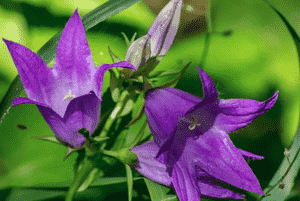
A key characteristic of Giant Bellflower is its impressive stature, typically reaching up to 4 feet. This commanding presence makes it a central feature in any garden. Its flowers are equally captivating, producing large, bell-shaped blooms that attract both observers and pollinators. Whether grouped or as individual specimens, Giant Bellflower adds a vertical element that enhances your landscape's visual interest.
Color Scheme: Enhancing Your Outdoor Space
Giant Bellflower offers a striking color range, from deep purples and blues to delicate whites. These hues can complement various garden themes. For example, rich purples and blues can add drama to a single-color garden, while softer whites can seamlessly integrate into a more subtle, naturalistic setting. By selecting appropriate colors, you can create a harmonious and visually pleasing garden environment.
Seasonal Allure: Timing Giant Bellflower's Impact
Giant Bellflower typically flowers from late spring to mid-summer, providing a burst of color when many other plants have yet to fully bloom. This makes it an excellent choice for adding seasonal interest to your garden. By strategically placing Giant Bellflower, you can ensure your garden remains vibrant and engaging through changing seasons, offering something fresh and delightful for every visitor.
Integrating Giant Bellflower into Various Landscape Designs
Formal Garden Settings: Balance and Structure
In formal garden designs, the symmetrical and structured nature of Giant Bellflower can be a significant asset. Its tall, straight stems and uniform blooms are well-suited to the precise, geometric patterns characteristic of formal gardens. Plant Giant Bellflower along paths or in neatly arranged flower beds to create a sense of order and sophistication.
Cottage Gardens: Achieving a Fluid, Organic Look
For those who prefer a more relaxed, flowing garden aesthetic, Giant Bellflower can be seamlessly incorporated into a cottage garden style. Its natural, slightly wild appearance fits well with the informal and free-form plantings typical of cottage gardens. Combine Giant Bellflower with other cottage garden favorites like roses and delphiniums to create a lush, romantic landscape.
Woodland Environments: Natural and Understated
In a woodland setting, Giant Bellflower's inherent charm can truly shine. Its ability to thrive in partial shade makes it ideal for planting beneath trees. The subtle yet attractive blooms can add understated elegance to a woodland garden, providing color without overpowering the natural surroundings. Use Giant Bellflower to add texture and layers to your woodland landscape.
Companion Planting Strategies with Giant Bellflower
Supporting Pollinators: Beneficial Pairings
Attracting and supporting pollinators is a significant advantage of including Giant Bellflower in your garden. Plant it alongside other pollinator-friendly species like lavender, coneflowers, and echinacea to create a haven for bees, butterflies, and other beneficial insects. This not only improves your garden's health but also contributes to the wider ecosystem.
Color Coordination: Complementary Hues for Giant Bellflower
Color coordination is essential for creating a visually appealing garden. The deep purples and blues of Giant Bellflower can be complemented by yellow or orange flowers for a striking contrast. Alternatively, pair it with white or pastel-colored blooms for a more cohesive and serene appearance. Consider your garden's existing colors and choose companion plants that will enhance and highlight Giant Bellflower's beauty.
Height Variations: Creating Visual Depth
Using plants of varying heights is an excellent way to create depth and visual interest in your garden. Pair Giant Bellflower with shorter plants like groundcovers or low-growing perennials to emphasize its height. Conversely, place it in front of taller shrubs or trees to add a middle layer that draws the eye upward. Experimenting with different height combinations can result in a dynamic and engaging garden landscape.
Maintenance Guidelines for Giant Bellflower in Landscaping
Seasonal Care: Optimal Times for Trimming and Mulching
Proper seasonal care is vital for maintaining Giant Bellflower's health and appearance. Prune it in early spring to remove any dead or damaged stems and to shape the plant. Mulching around the base helps retain moisture and suppress weeds. By following a regular pruning and mulching schedule, you can ensure Giant Bellflower remains vigorous and attractive throughout the growing season.
Watering and Fertilization: Ensuring Robust Growth
Like most garden plants, Giant Bellflower requires adequate water and nutrients to thrive. Water it regularly, especially during dry periods, but avoid waterlogging the soil. A balanced, slow-release fertilizer applied in early spring can provide the necessary nutrients for strong growth and abundant blooms. Attending to Giant Bellflower's watering and fertilization needs will help it flourish.
Managing Common Pests and Diseases
While Giant Bellflower is generally resilient, it can sometimes be affected by pests and diseases. Watch for common issues like aphids, slugs, and powdery mildew. Regularly inspect your plants and take action at the first sign of trouble. Organic or chemical treatments can be used as needed, and maintaining good garden hygiene, such as removing dead leaves and debris, can help prevent problems before they start.



