How to Propagate Giant bellflower?
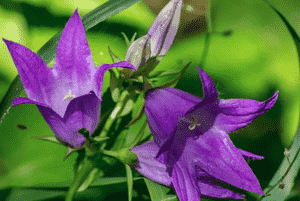
Hailing from Europe and Northern Asia, the Campanula latifolia is a perennial plant cherished for its impressive stalks and campanulate blossoms. For reproduction, root division proves to be a very efficient technique. Carefully detach the root masses, each possessing sufficient buds, either in early spring or during the autumn season. Verify that every new segment includes a part of the root structure and several points of growth. Promptly embed these divisions at their original growing depth, allowing them adequate room to thrive. This strategy fosters robust clones, preserving the characteristics of the original plant and effortlessly guaranteeing the garden's ongoing vitality.
What Is the Best Time To Propagate Giant Bellflower?
Propagation Type
Separation
Propagation Season
Spring,Autumn
What Tools Are Used in Giant Bellflower Propagation?
Garden Spade or Fork
Crucial for lifting and separating giant bellflower's root masses. These implements enable the propagator to gently extract the plant from the earth while minimizing root damage. The broad surface and sharp edges of a spade or the tines of a fork are effective in loosening the soil around the root system, simplifying plant removal for division.
Pruning Shears
Utilized to trim back any excess foliage or dead portions of giant bellflower prior to division. This aids in reducing plant stress by minimizing the amount of leaves the roots must support after transplanting. Clean, sharp cuts also lessen the chance of disease entry.
Rooting Hormone
While not always essential, applying rooting hormone to the cut surfaces of giant bellflower's roots can boost root development and enhance the overall success rate of propagation. This is particularly advantageous when divisions possess smaller root systems.
Watering Can with a Gentle Spray
Important for supplying sufficient water to giant bellflower immediately following planting. The gentle spray ensures that the soil surrounding the newly planted divisions is moistened without being displaced, helping the roots establish more effectively in their new environment.
Plant Labels
Helpful for identifying the newly divided plants, especially if propagating multiple varieties of giant bellflower or other species concurrently. Labels assist in monitoring growth progress and specific care requirements for each division.
How to Propagate Giant Bellflower?
Propagation Type
Simple
How to Care for Your Newly Propagated Giant Bellflower?
How to Care for Your Newly Propagated Giant Bellflower?
Post-propagation, giant bellflower requires minimal attention to flourish. Ensure plants are situated in a spot receiving partial to full sun with moist, well-draining soil. Consistent watering is vital, especially during dry spells, but avoid over-watering as giant bellflower dislikes waterlogged conditions. A light application of balanced fertilizer in early spring can encourage healthier blooms and foliage. Remove spent flowers to promote more blooms and prevent unwanted self-seeding.
Common Mistakes to Avoid When Propagating Giant Bellflower
Overwatering
Excessive water can lead to root rot in giant bellflower, which is often fatal to the plant. Overwatering creates an oxygen-deprived environment around the roots, preventing them from absorbing necessary oxygen.
Using unclean tools
Unsanitized tools can introduce harmful pathogens to giant bellflower, exposing the plant to disease risk, particularly during the cutting process.
Neglecting to remove spent flowers
Failing to deadhead giant bellflower can reduce the energy available for root and shoot development during propagation, as the plant prioritizes resources for seed maturation instead.
Planting cuttings too deep
Inserting cuttings excessively deep into the soil can cause giant bellflower cuttings to decay before they have a chance to establish roots.
Taking cuttings from unhealthy parent plants
Propagating from a diseased or weak parent plant often results in feeble offspring and can perpetuate disease in giant bellflower.
Tips For Propagating Giant Bellflower
Adequate hydration
Maintain consistent moisture for giant bellflower cuttings without overwatering, allowing the soil to be damp but not soggy, which supports healthy root development.
Using clean cuttings tools
Sterilize all tools before cutting stems from giant bellflower to minimize the risk of disease transmission and ensure a clean cut that heals properly and quickly.
Timely deadheading
Remove spent blooms from giant bellflower promptly to redirect the plant's energy into producing new growth, which is beneficial for root establishment in offspring.
Proper depth for cuttings
Plant giant bellflower cuttings at an appropriate depth, which is shallow enough to prevent rotting but deep enough to support the cutting and encourage root growth.
Healthy parent plant selection
Choose robust and healthy parent giant bellflower plants for taking cuttings, which promotes vigorous growth and improves the chances of successful propagation.



