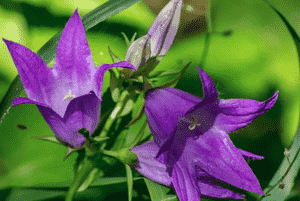
Giant bellflower (Campanula latifolia)
Also known as: Wide-leaved bellflower, Great bellflower
Giant bellflower (Campanula latifolia) is favored in ornamental gardening for its ease of care and striking, bell-shaped blooms that appear in blue, purple, and white during the summer months. Its impressive height, reaching up to 4-5 feet, makes it an excellent choice for adding vertical interest at the back of garden borders or in mass plantings. While its vigorous growth can sometimes overshadow less robust plants, its hardy nature and long blooming period make it a valuable addition to any garden.
In This Article
Attributes of Giant bellflower
Lifespan
Perennial
Plant Type
Herb
Plant Height
60 cm to 1.2 m
Spread
50 cm
Leaf Color
Green
Flower Size
2 to 3 inches
Flower Color
Purple Blue White Violet
Images of Giant bellflower
Quickly Identify Giant bellflower
1
This plant can be identified by its tall stature, broad leaves, and large bell-shaped blue to violet flowers. The leaves are alternately arranged and serrated.
Scientific Classification of Giant bellflower
Phylum
Vascular plants
Class
Dicotyledons
Order
Asterales
Family
Bellflower
Genus
Bellflowers
Species
Giant bellflower
Planting and Growing of Giant bellflower
Care Difficulty
Easy
Watering Schedule
Every 3 days
Sunlight Requirements
Partial sun
Sunshine Duration
6-10 hours
Ideal Temperature
60-75℉
Soil Type
Potting Mix, Peat Mix
Soil pH
6.5-7.5
Fertilizer Type
Balanced
Pruning Season
Spring, Summer
Pruning Area
Branches, Leaves
Pruning Frequency
2 times a year
Repotting Season
Spring
Pot Type
Plastic, Ceramic
 How to Water Giant bellflower?
Campanula latifolia prefers consistent moisture with around 250ml of water per session. Ensure the soil is evenly moist but not soggy. Water thoroughly until the excess drains out, allowing the soil to retain sufficient moisture without waterlogging the roots.
What are the symptoms of an underwatered Giant bellflower?
›
What should I do if my Giant bellflower is not getting enough water?
›
What are the symptoms of an overwatered Giant bellflower?
›
How to save an overwatered Giant bellflower?
›
 What Are the Sunlight Requirements for Giant bellflower?
Partial sun is ideal, balancing adequate energy intake and protection from overexposure. This range supports flowering and maintains lush, healthy foliage, optimizing the plant's performance.
More About Sunlight Requirements Techniques→
Why is partial sun ideal for Campanula latifolia?
›
How can we achieve ideal lighting conditions?
›
What benefits does optimal lighting provide?
›
 What Is the Ideal Temperature Range for Giant bellflower?
Campanula latifolia thrives best in temperatures ranging from 60°F to 75°F. Within this range, the plant experiences optimal growth and development, producing vibrant flowers and maintaining healthy foliage. Such conditions mimic its native habitat, providing the warmth necessary for metabolic processes and enough coolness to prevent stress.
 What Soil is Best for Giant bellflower?
Campanula latifolia thrives in nutrient-rich soils that support vigorous growth and lush foliage. Rich nutrients ensure healthy flowering and overall plant development, enhancing both aesthetic and ecological value. Well-drained soil is crucial as it prevents waterlogging, which could lead to root rot. This allows the plant roots to breathe and absorb essential nutrients more efficiently, promoting robust growth and bloom. Despite requiring well-drained conditions, Campanula latifolia appreciates a soil with good moisture retention. This balance ensures the plant remains hydrated during dry spells, supporting consistent growth and vibrancy.
 How to Fertilize Giant bellflower?
Campanula latifolia, or the giant bellflower, should be fertilized with a balanced, water-soluble fertilizer diluted to half strength. Apply about 1 to 2 teaspoons per gallon of water for a thorough soak around the base of the plant. It's essential to avoid any excess that might run off and pollute the surrounding soil.
 How to Prune Giant bellflower?
To prune Campanula latifolia, start by removing any dead or damaged stems. Use clean, sharp scissors to prevent tearing the plant tissue. Cut back up to a third of the plant's height to encourage a bushy growth habit. It's beneficial to cut just above a leaf node to stimulate new shoots and blooms. Remember not to prune too aggressively during its flowering period to ensure blooms remain vibrant. Regularly remove spent flowers by snipping them off where they meet the stem. This process, known as deadheading, prevents the plant from going to seed and encourages it to produce more flowers. Deadheading should be done gently and frequently during the flowering season to maintain the plant's attractive appearance and prolong its blooming period.
More About Pruning Techniques→
 How to Propagate Giant bellflower plant?
1
Collect seeds from mature Campanula latifolia plants in late summer. Prepare a seed tray filled with a well-draining potting mix. Sow the seeds on the soil surface and lightly cover them with a thin layer of soil. Keep the tray in a warm spot with indirect sunlight and maintain consistent moisture. Seedlings typically emerge within a few weeks.
2
Select a mature Campanula latifolia plant in early spring for division. Carefully dig around the plant to expose its root system. Use a sharp knife or trowel to divide the root clump into sections, ensuring each section has a healthy root and shoot. Replant the divisions in suitable spots and water them thoroughly.
3
Once seedlings have developed true leaves, transplant them into individual pots or directly into the garden. Acclimatize them to outdoor conditions by gradually increasing their exposure to sunlight over a week. Ensure they are planted in a loamy, well-draining soil with sufficient spacing to grow.
 How to Repot Giant bellflower plant?
1
Campanula latifolia signals it's time for repotting when its roots start to circle the pot or emerge from the drainage holes. Additionally, slow growth or water drainage issues are clear signs. Ideally, repotting should be conducted in spring or autumn when the plant is actively growing.
2
Select a pot that is 1-2 inches larger in diameter than the current one. Ensure it has plenty of drainage holes to prevent waterlogging. A slightly bigger pot allows enough space for root expansion, which is crucial for maintaining plant health and promoting lush, vigorous growth.
3
Choose a well-draining potting mix that can hold moisture without becoming waterlogged. A blend containing peat, perlite, and a bit of compost provides the aeration thenutrient balance Campanula latifolia thrives on. This soil structure mimics its natural habitat, promoting healthy root development and blooming.
Learn More About Giant bellflower Diseases
Anthracnose
Bacterial Leaf Spot
Bacterial Soft Rot
Bacterial Wilt
Black Spot
Chemical Injury
Crown Gall
Cyst Nematode
Damping-off
Downy Mildew
Drought Stress
Fusarium Wilt
Gray Mold
Leaf Curl
Leaf Spot
Mosaic
Nutrient Deficiency
Nutrient Toxicity
Powdery Mildew
Root Rot
Root-knot Nematode
Rusts
Sooty Mold
Spider Mites
Temperature Stress
Thrips Damage
White Mold



