How to Prune Giant bellflower?
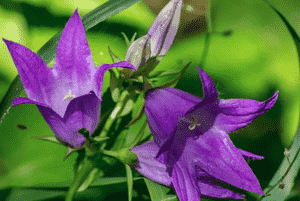
A perennial plant featuring towering stalks adorned with campanulate blossoms, giant bellflower introduces vertical appeal to garden edges. Essential trimming includes removing faded flowers to stimulate a subsequent bloom and reducing the plant after flowering to preserve its form. The ideal period for pruning is directly following the primary summer flowering phase, with minor tidying feasible in spring and autumn. Pruning deters self-propagation, which can be abundant in giant bellflower, and fosters robust development for the subsequent year.
Advantages of Trimming Giant Bellflower
Advantages of Trimming Giant Bellflower
Trimming giant bellflower promotes abundant flowering and robust development. It assists in maintaining the plant's desired form, enhancing its aesthetic appeal and garden structure.
Optimal Time for Trimming Giant Bellflower
Optimal Time for Trimming Giant Bellflower
Trimming giant bellflower in late spring or early summer is recommended as this coincides with the post-flowering period, which typically concludes by late spring for this species. Pruning at this time helps to prevent damage to the buds that will produce the next season's blooms, as flower production for giant bellflower occurs on the previous year's growth. Additionally, this timing allows the gardener to remove any frost-damaged stems from the winter, promoting healthier new growth. Pruning in fall is not recommended for giant bellflower as it can stimulate new growth that may not have enough time to harden off before winter, leading to potential cold damage. Thus, sticking to late spring and early summer ensures the preservation of flower buds, encourages vigor, and maintains the health of giant bellflower.
Tools Required for Trimming Giant Bellflower
Bypass Pruners
With their sharp, curved blades, bypass pruners create clean cuts perfect for snipping through the relatively slender stems of giant bellflower, which can help prevent disease and encourage healthy regrowth.
Pruning Shears
Pruning shears are useful for trimming back the spent flowers and light shaping of giant bellflower. The precision offered by pruning shears is important for maintaining the plant's aesthetic appeal.
Gardening Gloves
Wearing gloves protects the hands from scratches and plant sap while pruning giant bellflower. Gloves also provide a better grip on the tools, adding to safety and precision.
Pruning Saw
For older, woodier stems of giant bellflower that have thickened over time, a pruning saw with fine teeth is suitable for making clean cuts without damaging the plant.
Scissors
A simple pair of sharp scissors can be used for deadheading giant bellflower, a necessary step to encourage further blooming and to prevent self-seeding if not desired.
How to Trim Giant Bellflower
Diseased Cleanup
Inspect giant bellflower for any signs of disease or discoloration on the leaves. Using sterilized pruning shears, carefully remove the affected leaves by cutting at the base of the stem to prevent the spread of disease.
Withered Leaf Removal
Identify withered or dead leaves on giant bellflower. Gently prune these leaves by cutting them off at the base of the leaf stem to promote healthier growth and improve air circulation around the plant.
Deadheading
Examine giant bellflower for withered flowers. Snip these off just above the first set of healthy leaves beneath the spent flower to encourage further blooming and maintain the plant's aesthetic appeal.
Cleaning Tools
After pruning giant bellflower, clean all cutting tools with a solution of one part bleach to nine parts water to avoid transmitting pathogens to other plants.
Post Pruning Care
Water giant bellflower thoroughly after pruning to reduce stress on the plant and help it recover more quickly, ensuring not to overwater as giant bellflower prefers well-draining soil.
Common Trimming Errors with Giant Bellflower
Excessive Cutting
Trimming too aggressively can harm giant bellflower, potentially removing too many leaves and flowers, which can stress the plant and lead to fewer blossoms.
Neglecting Deadheading
Failing to deadhead, or remove spent flowers, prevents giant bellflower from directing energy to new growth and can decrease overall vigor and flowering.
Improper Tool Use
Using dull or dirty pruning tools can make imprecise cuts on giant bellflower that may damage stems and leave the plant vulnerable to disease.
Trimming Too Low
Cutting the flowering stalks of giant bellflower too close to the ground can remove the basal rosette of leaves which is essential for photosynthesis and overall health.
Ignoring Plant Shape
Ignoring the natural shape of giant bellflower while pruning can result in an unnatural appearance and potentially impede its growth pattern.
General Trimming Advice for Giant Bellflower
Sharp Tools
Utilize sharp and clean pruners to ensure clean cuts that will heal quickly and reduce the risk of disease for giant bellflower.
Deadheading
Regularly remove spent flowers from giant bellflower by snipping the stem just above the first set of healthy leaves to stimulate continued blooming and more robust growth.
Shaping Cuts
Make shaping cuts judiciously, keeping the natural form of giant bellflower in mind and allowing enough foliage to sustain the plant's growth and health.
Cutting Height
When cutting back giant bellflower after flowering, leave at least two-thirds of its height to maintain a healthy leaf rosette, crucial for the plant's energy production.



