How to Transplant Field marigold?
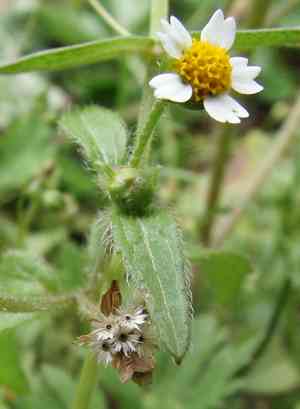
For Calendula arvensis, the ideal period for relocation is from the beginning to the middle of spring, leveraging mild atmospheric conditions for root development. Choose locations that receive ample sunlight and possess soil with good drainage. Bear in mind that steady hydration facilitates a seamless adaptation for Calendula arvensis.
What Preparations are Needed Before Transplanting Field Marigold?
What is the Ideal Time for Transplanting Field Marigold?
The optimal period for relocating field marigold to their new beds coincides with the arrival of spring, specifically from early spring through mid-spring. Moving field marigold during these months leverages the mild temperatures and increasing daylight, which are ideal for root establishment and recovery before summer's intense heat. This careful timing ensures robust growth, supporting your field marigold's development from small seedlings to blooming plants, as they thrive in the season's nurturing conditions.
How Much Space Should You Leave Between Field Marigold Plants?
Hello! Before placing your lovely field marigold in their new home, ensure they have ample room to thrive. Position them approximately 6-12 inches (15-30 cm) apart, allowing each plant its own space to grow.
What is the Best Soil Mix for Field Marigold Transplanting?
Your field marigold will flourish in a comfortable spot with well-drained soil. Enhance the earth with compost or a balanced, slow-release fertilizer to welcome them. It's like a comforting embrace for their roots!
Where Should You Relocate Your Field Marigold?
These cheerful field marigold require a location where they can absorb sunlight! Aim for a spot that receives full sun â meaning at least 6 hours of direct sunlight daily. This is their ideal setting for a happy, bright day outdoors.
What Equipments Should You Prepare Before Transplantation Field Marigold?
Gardening Gloves
To safeguard your hands while handling soil and plants.
Trowel
To carefully excavate seedlings or small field marigold plants.
Shovel or Spade
For lifting the field marigold plant and digging the planting hole.
Watering Can or Hose
To hydrate the plant before and after its relocation.
Pruning Shears
For trimming any dead or excess parts of the field marigold prior to transplanting.
Wheelbarrow or Plant Carrier
To move the field marigold plant from one spot to another without causing damage.
Gardening Fork
To loosen the soil around the field marigold plant without severing roots.
How Do You Remove Field Marigold from the Soil?
How Do You Remove Field Marigold from the Soil?
From Ground: First, moisten the field marigold plant to soften the soil, making it easier to manage. Then, using a shovel or spade, dig a wide circle around the plant, being generous to avoid root damage. Gently pry beneath the root ball and lift the field marigold from the ground.From Pot: Begin by watering the field marigold to ensure the soil is damp. Turn the pot on its side, hold the plant gently by its base, and tap the bottom to loosen it. Tilt the pot and carefully slide the plant out, supporting the soil and root ball with your other hand.From Seedling Tray: Dampen the soil in the tray to facilitate smoother removal of field marigold seedlings. Use a trowel or similar tool to gently lift each seedling from its cell, ensuring support for the soil around the roots to prevent harm.
Step-by-Step Guide for Transplanting Field Marigold
Preparing the New Site
Choose a location in the ground where your field marigold will flourish, considering its growth habits. Prepare the site by loosening the soil to a depth of about 6-8 inches. This aids the roots of field marigold in spreading easily.
Digging the Hole
Use a shovel or trowel to create a hole as deep as the root ball and twice its width. This provides the field marigold plant ample space to establish itself in its new environment.
Placing the Plant
Gently position the field marigold in the center of the hole, ensuring the top of the root ball is level with the surrounding soil surface. Adjust the hole's depth if necessary.
Refilling the Hole
Carefully backfill the hole with soil, lightly patting around the field marigold to eliminate air pockets. Be gentle to avoid over-compacting the soil, which can impede root growth.
Watering After Transplant
Water the field marigold generously immediately after transplanting to settle the soil and help hydrate the plant. Ensure water reaches the root zone to encourage roots to grow into their new surroundings.
Stabilizing the Plant
If the field marigold is tall or appears unstable, staking may be necessary. Insert a stake into the ground next to the field marigold and loosely tie the plant to it for support.
How Do You Care For Field Marigold After Transplanting?
Checking Soil Moisture
Regularly assess the soil's moisture level to ensure the field marigold has sufficient water to recover and begin growing. The soil should remain consistently moist, but avoid overwatering.
Mulching
Apply a layer of organic mulch around the base of the field marigold to help retain soil moisture and regulate soil temperature. Keep the mulch a few inches away from the plantâs stem to prevent rot.
Observing Plant Health
Monitor the field marigold for signs of stress, such as wilting or discolored leaves. Some stress is normal after transplanting, but persistent issues may indicate problems with soil conditions or pests.
Troubleshooting Common Issues with Field Marigold Transplantation.
What's the best time to transplant field marigold for optimal growth?
The ideal period for transplanting field marigold is during the mild conditions of early to mid-spring when the soil warms.
How far apart should I space field marigold when transplanting?
Ideally, position field marigold about 6-12 inches (15-30 cm) apart to give them sufficient room to flourish.
What kind of sunlight conditions do field marigold need when transplanted?
Transplant field marigold to a sunny location with ample daily sunlight for vigorous growth.
How often should I water field marigold after transplanting?
After transplanting, water field marigold generously to establish roots, then maintain consistent moisture without overwatering.
What should I do if field marigold wilts after transplanting?
If field marigold wilts post-transplant, ensure adequate watering and shade them temporarily to reduce stress.
Why are my field marigold seedlings not thriving after transplant?
Check for proper soil conditions, sunlight, and water. Make adjustments to mimic field marigold's natural habitat.
How deep should I plant field marigold during transplanting?
Transplant field marigold at the same depth they grew in their previous container to avoid stem rot.
Can I fertilize field marigold after transplanting, and with what?
Yes, use a balanced, slow-release fertilizer post-transplant to encourage robust growth in field marigold.
What type of soil is best for transplanting field marigold?
Transplant field marigold in well-draining soil rich in organic matter for optimal performance.
How can I prevent transplant shock in field marigold?
Gradually acclimate field marigold to outdoor conditions over a week and transplant on an overcast day to minimize shock.



