How to Prune Field marigold?
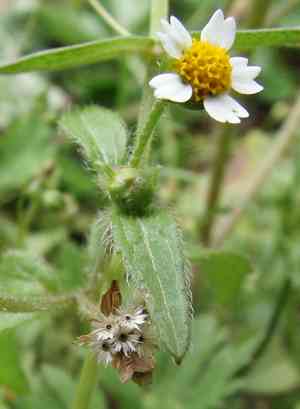
A yearly plant featuring vibrant yellow-orange blossoms, field marigold flourishes across diverse environments. Essential trimming methods involve deadheading faded flowers to encourage ongoing flowering and excising any frail or compromised stalks to sustain the plant's robustness. The ideal period for pruning extends from spring to autumn, aligning with its active development stages. Consistent trimming benefits field marigold by fostering a denser growth pattern and prolonging its bloom duration, which is vital for its attractiveness in decorative horticulture.
Advantages of Trimming Field Marigold
Advantages of Trimming Field Marigold
Trimming field marigold promotes robust development and maintains its form, ensuring a healthier and more visually appealing specimen.
Optimal Time for Trimming Field Marigold
Optimal Time for Trimming Field Marigold
Trimming field marigold in Spring is advantageous as it revitalizes the plant post-winter dormancy, stimulating new growth and more abundant blooms. Summer trimming allows for the removal of faded flowers, which encourages continuous blooming and prevents the plant from expending energy on seed production. Autumn trimming helps prepare field marigold for the approaching winter by eliminating dead or diseased sections, thereby decreasing the likelihood of pest and disease issues.
Necessary Tools for Trimming Field Marigold
Bypass Pruners
Perfect for making neat and precise cuts, bypass pruners are suitable for field marigold as they are effective at snipping soft stems without harming the plant's tissues.
Garden Scissors
Field marigold's delicate stems and foliage can be easily shaped with garden scissors, which offer accuracy for deadheading and thinning out small, congested areas of the plant.
Gloves
Wear gardening gloves to safeguard hands from potential irritants or minor thorns while trimming field marigold, ensuring a safer pruning experience.
Pruning Shears
Handheld pruning shears are appropriate for selectively removing spent blossoms and shaping field marigold, fostering plant health and encouraging flowering.
Garden Waste Bag
To gather and dispose of the trimmed foliage and stems from field marigold, a garden waste bag is crucial, keeping the workspace tidy and organized.
How to Trim Field Marigold
Disinfect
Clean and sanitize trimming tools before use to prevent the spread of diseases to field marigold.
Identify
Examine field marigold and pinpoint the withered leaves to ensure only the necessary parts are removed.
Trim
Using sharp scissors or pruners, cut the withered leaves off at their base, where they meet the stem, to avoid damaging healthy sections of field marigold.
Clean
Remove the trimmed material from around field marigold to prevent decay and deter pests.
Inspect
After trimming, examine field marigold to ensure no damaged areas were overlooked, checking for signs of pests or diseases as a preventative measure.
Common Trimming Errors with Field Marigold
Excessive Trimming
Removing too much growth at once, which can stress field marigold and lead to reduced flowering or even plant demise.
Dull Tools
Using blunt or unclean trimming tools can result in jagged cuts that make field marigold susceptible to disease.
Trimming Solely for Size
Focusing only on the size of field marigold when trimming, rather than considering the plant's shape and health, can lead to poor growth patterns and flowering.
Neglecting Deadheading
Failing to regularly remove spent blooms, a process known as deadheading, can prevent field marigold from producing new flowers as it expends energy on forming seed heads.
Incorrect Cut Angle
Making cuts at the wrong angle can lead to water accumulation on the cut surface of field marigold, promoting rot and disease.
General Trimming Advice for Field Marigold
Sanitary Tools
Always use sharp, clean pruning shears to make clean cuts that heal quickly, minimizing stress on field marigold.
Selective Trimming
Trim selectively, removing only dead or damaged growth and thinning out dense areas to improve air circulation and light penetration for field marigold's overall health.
Consistency
Regularly deadhead spent blooms to encourage field marigold to produce new flowers and focus energy on healthy growth.
Trim To A Node
When shortening stems or removing spent blooms, always cut just above a leaf node or branching point to promote healthy new growth on field marigold.
Shape Maintenance
Maintain the natural shape of field marigold while trimming, which helps promote healthier growth and a more aesthetically pleasing appearance.



