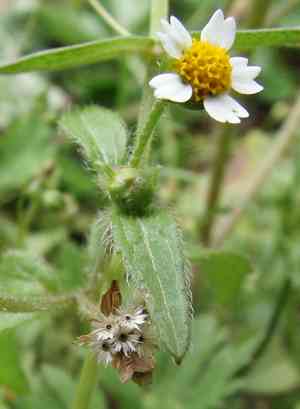
Field marigold (Calendula arvensis)
Also known as: Field Marigold, Corn Marigold
Field marigold (Calendula arvensis) is an annual herb that reaches up to 51 cm in height. Its blooming period spans from spring through fall, and in milder climates, it can even flower during winter. The plant features a solitary flower head, with yellow petals encircling an orange center. It flourishes in full sun to partial shade and is a magnet for bees, butterflies, and birds.
In This Article
Attributes of Field marigold
Lifespan
Annual, Biennial
Plant Type
Herb
Plant Height
10 cm to 50 cm
Spread
20 cm to 40 cm
Leaf Color
Green
Flower Size
4 cm
Flower Color
Yellow
Images of Field marigold
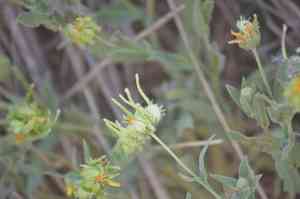
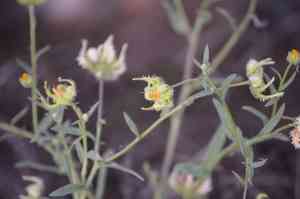
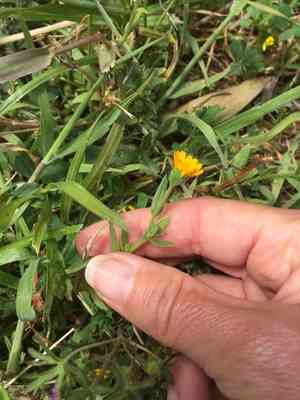
Quickly Identify Field marigold
1
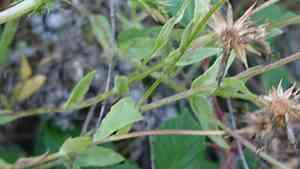
Calendula arvensis can be identified by its daisy-like flowers with bright yellow or orange petals and a darker central disc. The leaves are oblong or lance-shaped, with a slightly sticky and hairy texture.
Scientific Classification of Field marigold
Phylum
Vascular plants
Class
Dicotyledons
Order
Asterales
Family
Daisy
Genus
Marigolds
Species
Field marigold
Planting and Growing of Field marigold
Care Difficulty
Easy
Watering Schedule
Every 4 days
Sunlight Requirements
Full sun
Sunshine Duration
6-8 hours
Ideal Temperature
65-75℉
Soil Type
Potting Mix, Peat Mix
Soil pH
6.5-7.5
Fertilizer Type
Balanced
Pruning Season
Spring, Summer
Pruning Area
Branches, Leaves
Pruning Frequency
2 times a year
Repotting Season
Spring
Pot Type
Plastic, Ceramic
 How to Water Field marigold?
Calendula arvensis thrives when the soil is evenly moist but not waterlogged. It’s essential to provide approximately 200 ml of water per watering session, ensuring the water reaches deep into the soil without leaving it soggy. Make sure the top inch of the soil dries out between waterings.
What are the symptoms of an underwatered Field marigold?
›
What should I do if my Field marigold is not getting enough water?
›
What are the symptoms of an overwatered Field marigold?
›
How to save an overwatered Field marigold?
›
 What Are the Sunlight Requirements for Field marigold?
Full sun or partial sun is ideal. Adequate sun promotes vibrant blooms, healthy foliage, and robust plant health. This ensures a full flowering period, enriching the plant's aesthetic and structural integrity.
More About Sunlight Requirements Techniques→
Question 1: How much sunlight does Calendula arvensis need ideally?
›
Question 2: What are the best solutions to provide ideal lighting conditions for Calendula arvensis?
›
Question 3: What are the benefits of providing ideal light conditions for Calendula arvensis?
›
 What Is the Ideal Temperature Range for Field marigold?
Calendula arvensis thrives best between 65°F and 75°F. This temperature range provides optimal conditions for photosynthesis and growth, facilitating lush foliage and vibrant blooms. Ensuring your calendula grows within this range encourages healthy enzymatic activities within the plant.
 What Soil is Best for Field marigold?
Calendula arvensis thrives best in soils with excellent drainage. These soils help prevent water logging, which can lead to root rot and other fungal diseases. As a result, the plant can flourish and exhibit vibrant growth. Having a well-aerated soil structure is crucial as it ensures the roots have access to sufficient oxygen. This promotes a healthier root system and in turn, more robust blooms and foliage. While rich soils aren’t necessary, a medium level of nutrients can support the plant’s growth. Over-fertilization should be avoided as it may lead to excessive foliage at the expense of flowers.
 How to Fertilize Field marigold?
For Calendula arvensis, use a balanced liquid fertilizer at half the recommended strength. Typically, a general-purpose 10-10-10 fertilizer diluted to half strength is suitable to maintain healthy foliage and blooms.
 How to Prune Field marigold?
Start by removing any dead or damaged stems. This will prevent disease spread and allow the plant to focus its energy on healthy growth. Cut back overgrown branches to maintain the shape of the plant. Aim for a tidy, rounded appearance, which encourages even light distribution and airflow. Pinch off spent flowers regularly to promote continuous blooming. This technique signals the plant to produce more flowers instead of seeds.
More About Pruning Techniques→
 How to Propagate Field marigold plant?
1
Harvest seeds from mature Calendula arvensis flowers at the end of the growing season. Ensure seeds are dry and free of any plant material before storing or sowing. Store them in a cool, dry place until ready to propagate in the spring.
2
Fill a seed tray with a well-draining soil mix, scatter seeds evenly on the surface, and cover lightly with soil. Water gently and place the tray in a warm, bright location, keeping the soil slightly moist but not soggy, until seedlings emerge.
3
In early spring, take healthy cuttings from a non-flowering stem of Calendula arvensis. Cut to about 4-6 inches long, remove lower leaves, and dip the cut end into rooting hormone before planting in a well-draining substrate. Keep cuttings warm and moist.
 How to Repot Field marigold plant?
1
Calendula arvensis should be repotted when the roots start peeping out through the drainage holes, signaling they need more space. This often coincides with a slowdown in the plant's growth, usually observed in early spring or autumn, which are also ideal seasons to undertake the task of repotting.
2
Choose a pot that is a couple of inches wider than the current one to provide extra growth space. The pot should have sufficient drainage holes, ensuring water doesn't stagnate, which can lead to root rot. Terracotta pots are a superb choice due to their breathability; they aid in preventing overwatering conditions by allowing excess moisture to evaporate.
3
Select a well-draining mix composed of sandy soil enriched with organic matter. Such soil mimics the natural environment of Calendula arvensis, ensuring proper drainage and aeration while providing essential nutrients, thus promoting healthier growth following the repotting process.
Learn More About Field marigold Diseases
Anthracnose
Bacterial Leaf Spot
Bacterial Soft Rot
Chemical Injury
Crown Gall
Cyst Nematode
Damping-off
Downy Mildew
Drought Stress
Fusarium Wilt
Gray Mold
Leaf Spot
Mosaic
Nutrient Deficiency
Nutrient Toxicity
Powdery Mildew
Root Rot
Root-knot Nematode
Rusts
Sooty Mold
Spider Mites
Temperature Stress
Thrips Damage
White Mold



