Enhancing Your Garden Design with the Field marigold Plant: A Landscaping Guide
1
Field marigold serves as a natural pest repellent, safeguarding your garden without chemicals.
2
Field marigold enhances soil quality by introducing vital nutrients and fostering beneficial soil microbes.
3
The bright flowers of Field marigold are perfect for designing vivid garden edges.
Introducing Field Marigold to Your Garden
Understanding the Aesthetic Appeal of Field Marigold
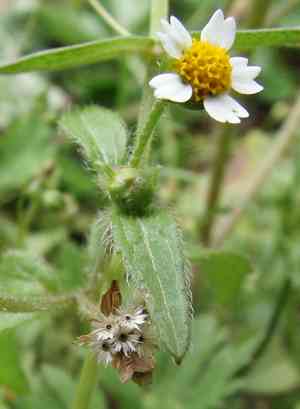
A primary reason gardeners favor Field Marigold is its vivid and captivating look. Its bright, cheerful blooms transform any green space into a colorful haven. These flowers not only offer visual charm but also draw in pollinators like bees and butterflies, adding both beauty and biodiversity to your garden. The pleasing form and hue of Field Marigold blossoms can serve as a focal point or a complementary element in a larger garden scheme.
Choosing the Right Location for Field Marigold
Successfully integrating Field Marigold into your landscape starts with selecting the ideal spot. Field Marigold flourishes in sunny areas with well-drained soil, making it suitable for various garden settings, from pots to open ground. Consider garden zones that receive at least six hours of direct sunlight daily. Also, ensure the soil is loose and not prone to waterlogging. Good air circulation helps keep plants healthy, so avoid placing Field Marigold too close to dense shrubs or other large plants.
Companion Plants for Field Marigold
Pairing Field Marigold with suitable companion plants can further enhance your landscape. Excellent companions include herbs like basil and rosemary, which benefit from Field Marigold's pest-repelling qualities. Additionally, vegetables such as tomatoes and peppers thrive near Field Marigold, thanks to its ability to attract beneficial insects and improve soil health. These combinations not only boost your garden's productivity but also create visually stunning plant groupings.
Practical Benefits of Field Marigold in Landscaping
Natural Pest Control Traits
Field Marigold is renowned for its inherent pest control attributes. Its scent deters common garden pests like aphids, whiteflies, and certain beetles, lessening the need for chemical pesticides. The flowers also attract beneficial insects such as ladybugs and hoverflies, which prey on harmful pests. Incorporating Field Marigold into your garden can establish a balanced ecosystem that organically boosts plant health and yield.
Improving Soil Health with Field Marigold
Another significant advantage of Field Marigold is its positive effect on soil quality. The plant's roots help break up compacted soil, enhancing aeration and water penetration. Furthermore, as Field Marigold decomposes, it adds organic matter to the soil, enriching it with vital nutrients. This process supports a flourishing community of soil microorganisms, which are crucial for maintaining a healthy garden ecosystem.
Seasonal Considerations for Field Marigold
Understanding Field Marigold's seasonal requirements is vital for maintaining its vigor and beauty. While Field Marigold can tolerate various climates, it prefers moderate conditions. In colder regions, planting Field Marigold in early spring or using protective gardening methods like mulching can help it thrive. Conversely, in warmer climates, providing some afternoon shade during peak summer months will prevent heat stress. Regular removal of spent flowers also encourages continuous blooming throughout the growing season.
Design Ideas Featuring Field Marigold
Creating Colorful Borders with Field Marigold
Field Marigold is ideal for crafting vibrant garden borders. Its bright yellow and orange flowers can define the edges of garden beds, pathways, or driveways, making these areas prominent. Planting Field Marigold in clusters or drifts amplifies its visual impact, creating a bold and cheerful outline. Combining Field Marigold with other annuals and perennials of various colors and heights can add depth and interest to your garden borders.
Incorporating Field Marigold into Rock Gardens
Rock gardens offer a unique landscape design opportunity for Field Marigold. The plant's compact size and bright blooms make it an excellent choice for filling gaps and softening the appearance of stones. Field Marigold's drought tolerance and preference for well-drained soil align perfectly with the typical rock garden environment. Plant Field Marigold among low-growing succulents and alpine plants to achieve a natural and harmonious look.
Using Field Marigold in Cottage Garden Styles
Field Marigold's informal and charming appearance makes it a staple in cottage garden designs. Its abundant, brightly colored flowers can be scattered throughout the garden or mixed with other traditional cottage plants like roses, daisies, and foxgloves. This planting style creates a nostalgic, whimsical atmosphere. Allow Field Marigold to self-seed to maintain the informal, free-flowing look typical of cottage gardens.



