How to Propagate Field marigold?
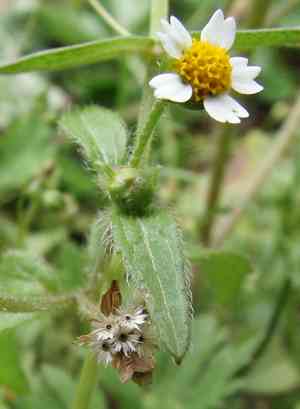
Calendula arvensis is most effectively multiplied by scattering seeds directly into their intended growing spot. Cultivating them in adequately drained earth and a position that gets ample sunlight to some shade enhances sprouting and development. Disperse the seeds superficially since illumination assists their germination, and confirm the substrate stays damp until the seeds sprout. Early thinning of the young plants guarantees vigorous growth by avoiding excessive density.
Optimal Time for Field Marigold Propagation
Propagation Method
Seeding
Propagation Period
Spring
Tools for Field Marigold Propagation
Seed trays
Seed trays are crucial for initiating field marigold from seeds. These containers facilitate organized planting and simple seedling management. Their compact, divided design promotes efficient space utilization and minimizes seed waste by enabling even and secure seed placement.
Potting mix
A premium potting mix offers the essential support, nutrients, and aeration for field marigold's seeds to sprout effectively. The mixture should drain well and be fertile to boost germination rates and support early root growth, which is vital for field marigold's healthy development.
Misting bottle
A misting bottle is key for gently moistening field marigold seeds without causing waterlogging or dislodging them. Gentle misting helps maintain ideal humidity around the seeds, which is critical for sprouting.
Plant labels
Plant labels are used to mark trays where field marigold's seeds are sown. This aids in tracking germination progress and managing various planting schedules, especially useful in structured propagation setups or educational environments.
Grow lights
If propagating field marigold indoors or in shaded areas, grow lights can supply the necessary light spectrum to encourage healthy seedling development until the plants are ready for outdoor placement. This tool ensures field marigold receives sufficient light, mimicking natural sunlight, which is crucial for photosynthesis and growth.
How to Propagate Field Marigold
Propagation Type
Easy
Caring for Newly Propagated Field Marigold
Caring for Newly Propagated Field Marigold
Post-propagation, position field marigold in a sunny spot, as it thrives in full sun to partial shade. Water consistently to keep the soil uniformly moist but not waterlogged. Apply a balanced, slow-release fertilizer to encourage robust growth. Remove spent flowers to promote continuous blooming and prevent self-seeding if desired. In regions with harsh winters, field marigold may be treated as an annual and replanted annually or, in milder climates, will self-seed and return in subsequent growing seasons.
Common Propagation Mistakes for Field Marigold to Avoid
Overwatering
Excessive moisture can lead to root rot in field marigold, impeding root establishment and growth in young plants.
Planting depth
Sowing field marigold seeds too deep can hinder germination as they require light to initiate the growth process.
Neglecting soil quality
Using substandard soil lacking proper drainage can result in weak or non-existent field marigold seedlings due to insufficient nutrients and air circulation.
Overcrowding
Planting field marigold seeds too close together can restrict their access to sunlight and nutrients, leading to leggy or underdeveloped plants.
Ignoring pests
Failing to address pests can lead to infestations that compromise field marigold's health, impacting its growth and propagation success.
Tips for Propagating Field Marigold
Appropriate moisture
Maintain balanced moisture for field marigold's soil, ensuring it stays damp but not saturated to support healthy seed germination and root development.
Surface sowing
Scatter field marigold's seeds on the soil surface and gently press them in, as they need light for optimal germination.
Soil preparation
Utilize a well-draining, fertile soil mix for field marigold to provide the necessary nutrients and aeration for vigorous seedling growth.
Spaced planting
Sow field marigold seeds at an appropriate distance to give each plant ample room to grow, ensuring sufficient light exposure and reducing competition for nutrients.
Pest monitoring
Regularly inspect field marigold for signs of pests and address them promptly using suitable organic or chemical controls to safeguard plant health.



