How to Transplant Cretan bryony?
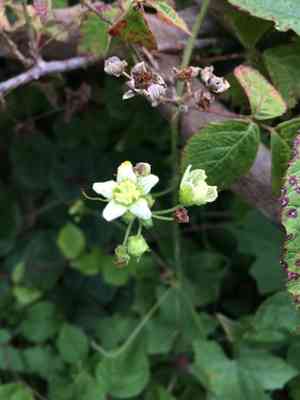
Transplanting cretan bryony is most effective during the warmth of mid-to-late spring, as this period encourages root development. Select a bright area with soil that drains efficiently to guarantee the vitality of cretan bryony. Bear in mind its vigorous growth pattern when choosing its permanent position.
Essential Preparations Before Relocating Cretan Bryony
Optimal Period for Moving Cretan Bryony?
The perfect time to move cretan bryony is during the gentle warmth of mid to late spring. This period benefits from rising temperatures and stable conditions crucial for root establishment, ensuring a strong start for cretan bryony. Transplanting cretan bryony as the ground thaws and revitalizes offers your plant longer days and mild nights for prime growth, while the danger of frost has lessened, safeguarding tender roots. Embracing this natural cycle promotes a smoother transition and increased vitality for cretan bryony.
Required Spacing Between Cretan Bryony Plants?
When moving cretan bryony, ensure ample room for the young plants to flourish. Position them at least 1-2 feet (30-60 cm) apart. This provides sufficient space for each plant and encourages healthy development.
Ideal Soil Mixture for Cretan Bryony Relocation?
For preparing to plant cretan bryony, fill containers with well-draining garden soil. Incorporate some slow-release granular fertilizer into the mix. This will supply your plants with a gradual, consistent nutrient source to aid their initial growth.
Preferred Location for Your Cretan Bryony?
Select a garden spot for your cretan bryony where it can receive at least six hours of daily sunlight. However, excessive direct sun exposure could harm the plant, so partial shade is ideal.
Tools to Prepare Before Transplanting Cretan Bryony
Gardening Gloves
Shield your hands while working with and handling the plant.
Shovel/Spade
Necessary for digging a hole in the ground and loosening the plant in its original spot, ensuring the root ball remains intact.
Watering Can
Used to hydrate the cretan bryony plant both before and after its relocation.
Garden Trowel
Helpful for adjusting the plant's placement and for backfilling soil after the move.
Plant Support Stakes
These will stabilize the cretan bryony after transplanting as it might become top-heavy.
Method for Removing Cretan Bryony from its Current Soil
Method for Removing Cretan Bryony from its Current Soil?
From Ground: First, water the cretan bryony plant to make the soil easier to manage. Use a shovel or spade to carefully dig around the plant, maintaining enough distance to avoid harming the root ball. Once the soil is loose, gently lift the plant, ensuring the roots are not torn or damaged.From Pot: The initial step is to water the plant. This loosens the soil and facilitates the removal of the cretan bryony plant. Tilt the pot on its side, then carefully extract the plant, always holding it by the root ball and not the stem.From Seedling Tray: Water the seedling tray to loosen the soil. Gently lift the cretan bryony by its leaves, not the stem, to prevent damage. Use a teaspoon or similar tool to remove the root ball, ensuring minimal harm.
Detailed Guide for Transplanting Cretan Bryony
Preparing the Planting Site
Excavate a hole in the chosen spot. The hole should be twice the width of the cretan bryony's root ball and equally deep. Add a layer of compost at the base of the hole.
Placing the Plant
Position the plant in the center of the hole. Ensure the top of the root ball is level with the soil surface.
Refilling the Hole
Backfill around the root ball with soil, gently tamping down to eliminate any air pockets.
Initial Watering
Water thoroughly once the transplanting process is complete. Apply water slowly so it soaks into the surrounding soil.
Providing Support
Insert plant support stakes and gently secure the plant. Be careful not to overtighten and damage the cretan bryony.
Post-Transplant Care for Cretan Bryony
Careful Monitoring
Observe your cretan bryony closely to ensure it is adapting well. Wilting or yellowing could indicate transplant shock. Address promptly.
Watering Regimen
Ensure the plant is watered regularly immediately after relocation. This aids in root establishment. However, be cautious with the quantity – too much can lead to root rot.
Consistent Fertilization
Fertilize after the initial few weeks to supply the cretan bryony with vital nutrients that may have been depleted during transplanting. Adhere to package instructions to prevent over-fertilization.
Pruning Practices
Remove any dead or dying foliage to redirect the plant's energy towards new growth. This also keeps the cretan bryony plant neat and healthy.
Addressing Common Issues with Cretan Bryony Transplantation
When is the best time to move my cretan bryony?
The optimal period to relocate your cretan bryony is during its second to third season. Timing can be crucial for successful transplanting.
What spacing should I maintain when transplanting cretan bryony?
When moving cretan bryony, ideally keep a distance of 1-2 feet (30-60 cm) between each plant. This allows them ample space to grow and thrive.
How should I prepare the cretan bryony for transplantation?
Before transplanting, water the cretan bryony generously a day or two prior to moving. This makes the plant easier to remove and lessens shock in its new location.
What to do if cretan bryony wilts after transplanting?
Wilting is common after transplanting. Keep the soil moist and shield the plant from extreme temperatures. It should recover in a week or two with proper care.
What soil type does cretan bryony prefer during transplantation?
Cretan bryony thrives in well-drained soil, rich in organic matter. Ensure the new site is prepared with ample compost before transplanting for optimal results.
How deep should I plant cretan bryony during transplantation?
Plant cretan bryony at the same depth it was growing previously. Planting too deep can cause rot, and too shallow may expose roots and dry them out.
Why is hardening off cretan bryony necessary before transplanting?
Hardening off cretan bryony gradually exposes it to outdoor conditions, reducing the risk of transplant shock. Begin a week before transplanting, increasing outdoor time daily.
What precautions should I take to protect transplanted cretan bryony from pests?
Inspect your cretan bryony regularly for signs of pests. Use eco-friendly pesticides or introduce beneficial insects to manage any infestations.
How often should I water cretan bryony after transplanting?
Water the cretan bryony thoroughly after transplanting, then adjust to local conditions. Avoid waterlogging but ensure the soil remains moist for the initial few weeks.
What is the transplant survival rate of cretan bryony?
With appropriate care and timing, cretan bryony has a high transplant success rate. However, factors like environmental conditions and plant health can influence survival.



