How to Prune Cretan bryony?
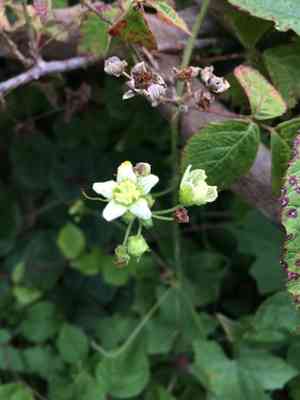
Valued for its robust climbing nature, cretan bryony necessitates meticulous trimming to preserve its form and stimulate vigorous development. Trim cretan bryony during the spring or summer, shortening extended tendrils and eliminating any deceased or compromised growth. Reducing crowded sections enhances air movement, diminishing the likelihood of illness. Consistent trimming also fosters a controllable growth habit, boosting cretan bryony's aesthetic charm. Execute precise cuts just above a leaf junction to encourage fresh, sturdy sprouts.
Advantages of Trimming Cretan Bryony
Advantages of Trimming Cretan Bryony
Trimming cretan bryony encourages robust development and maintains its preferred form, ensuring the plant stays healthy and visually appealing within the garden.
Optimal Time for Trimming Cretan Bryony
Optimal Time for Trimming Cretan Bryony
Trimming cretan bryony from late spring to early summer aligns with the start of its active growth period, which typically follows winter dormancy. This timing allows the plant to recover quickly from cuts without the danger of cold weather damage. Additionally, pruning before the peak growing season can shape the plant and prevent excessive vine growth that can occur in summer, ensuring energy is directed more towards flowering and fruiting. Pruning or trimming after blooming can also help maintain the desired shape and control the size of cretan bryony, as well as remove any dead or diseased plant material, which is vital for preserving the plant's health and vitality.
Required Tools for Trimming Cretan Bryony
Hand Pruners
For deadheading and cutting back small stems of cretan bryony, hand pruners are perfect. They allow for precise cuts without harming surrounding foliage and are ideal for maintaining the desired shape and size of cretan bryony.
Lopping Shears
When dealing with thicker stems or when cretan bryony is overgrown, lopping shears can provide the necessary leverage with their long handles. They are used to ensure clean cuts on branches that are too thick for hand pruners.
Pruning Saw
For the thickest stems of cretan bryony that lopping shears cannot manage, a pruning saw is essential. It enables gardeners to remove large branches without causing harm to the plant.
Gloves
While not a pruning tool itself, protective gloves are crucial when trimming cretan bryony to prevent skin irritation or injury due to the plant's rough stems and potential skin irritants.
How to Trim Cretan Bryony
Identify
Assess cretan bryony to pinpoint diseased leaves, withered leaves, and diseased stems. Look for signs of discoloration, spots, or decay which indicate these parts need removal to maintain plant health and vigor.
Disinfect
Before beginning the trimming process, sanitize your pruning tools with alcohol or a bleach solution to prevent the spread of diseases to healthy parts of cretan bryony.
Remove leaves
Using clean, sharp pruning shears, carefully snip off the diseased and withered leaves from cretan bryony. Make the cuts at the base of the leaf stem, ensuring not to damage nearby healthy foliage or stems.
Prune stems
Cut back any diseased stems on cretan bryony to healthy tissue, at least several inches below the diseased portions. Ensure the cuts are clean and at a 45-degree angle to promote healing and prevent water accumulation.
Cleanup
After trimming cretan bryony, remove all the cuttings from the area to prevent the spread of disease and promote a clean growing environment.
Common Trimming Errors with Cretan Bryony
Excessive Pruning
Reducing cretan bryony's foliage too much can stress the plant, potentially leading to weakened defense against pests and diseases.
Underestimating vigor
Cretan bryony is a robust plant which can quickly recover after trimming. Underestimating its growth rate may result in insufficient pruning, leading to overgrown spaces and possible shading of other plants.
Damaging main vines
Cretan bryony has main vines that support its growth. Accidentally cutting into these can significantly harm the plant's structure and vitality.
Ignoring plant health
Failing to remove diseased or damaged stems during pruning can allow problems to spread throughout cretan bryony, impacting overall plant health.
Inadequate tool maintenance
Using dull or dirty tools can create jagged cuts that are more susceptible to disease and may hinder the healing process in cretan bryony.
Improper cut placement
Making cuts too far from a leaf node or bud, or too close to it, can either prevent new growth or damage emerging shoots in cretan bryony.
General Trimming Advice for Cretan Bryony
Clean cuts
Ensure cuts are clean and sharp to promote healthy regrowth in cretan bryony and reduce the risk of disease.
Tools disinfection
Sanitize pruning tools before use to prevent the spread of pathogens to or from cretan bryony.
Health assessment
Before trimming, evaluate the health of cretan bryony to identify any diseased or dead stems that need to be removed first.
Node pruning
Trim just above a leaf node to encourage cretan bryony's new growth in the desired direction.
Vigor management
Balance the natural vigor of cretan bryony with regular trimming to maintain the desired shape and size, while ensuring the plant isn't overwhelmed by its own growth.
Wound dressing avoidance
Avoid using wound dressings on pruning cuts, as cretan bryony typically heals better naturally without the potential for moisture-trapping and disease.



