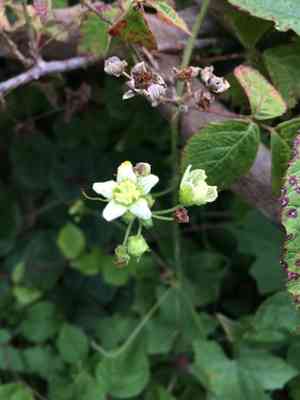
Cretan bryony (Bryonia cretica)
Also known as: Cretan Bryony, Wild Vine
Cretan bryony (Bryonia cretica) is a perennial climbing plant native to the Mediterranean region, including parts of southern Europe, North Africa, and the Middle East. It belongs to the Cucurbitaceae family, often known as the gourd family. The plant features tendrils, white flowers, and produces black berries. Its roots can grow quite large, sometimes reaching the size and weight of beets.
Attributes of Cretan bryony
Images of Cretan bryony
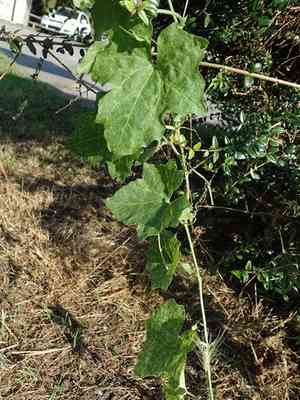
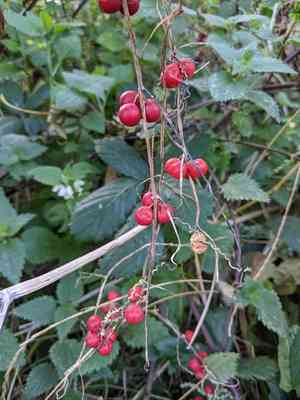
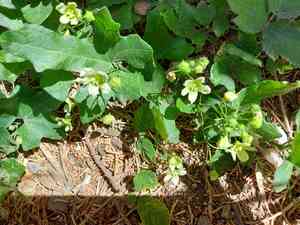

Quickly Identify Cretan bryony
Scientific Classification of Cretan bryony
Planting and Growing of Cretan bryony
 How to Water Cretan bryony?
 What Are the Sunlight Requirements for Cretan bryony?
 What Is the Ideal Temperature Range for Cretan bryony?
 What Soil is Best for Cretan bryony?
 How to Fertilize Cretan bryony?
 How to Prune Cretan bryony?
 How to Propagate Cretan bryony plant?
 How to Repot Cretan bryony plant?
Toxicity of Cretan bryony
Is Cretan bryony toxic to humans?
Cretan bryony exhibits a moderate degree of toxicity to humans, primarily through consumption. Every part of the plant is toxic, harboring compounds known as cucurbitacins, which are responsible for its poisonous characteristics. When ingested, even in minimal amounts, Cretan bryony can lead to severe gastrointestinal issues. Poisoning symptoms may include intense abdominal pain, vomiting, diarrhea, and in some instances, the onset of a rapid and weak pulse. The severity of these symptoms can differ based on the quantity consumed, but it is essential to recognize the potential dangers associated with the inadvertent ingestion of any section of Cretan bryony, as it represents a considerable health threat.
Is Cretan bryony toxic to cat?
Cretan bryony presents a moderate toxicity risk to felines. If a cat inadvertently consumes any component of cretan bryony, which contains harmful substances throughout its structure, it may suffer from negative health effects, evident through signs of physical distress or illness. The toxic substances found in cretan bryony are classified as cucurbitacins, recognized for their bitter flavor and potential harmful effects upon ingestion. If a cat shows any worrisome symptoms after contact with cretan bryony, it is essential to obtain prompt veterinary assistance to guarantee the cat receives appropriate treatment.
Is Cretan bryony toxic to dog?
Bryonia cretica, widely referred to as Cretan bryony, presents a moderate toxicity hazard for dogs. If dogs inadvertently consume any part of this plant, they are susceptible to poisoning due to the presence of harmful compounds called cucurbitacins. The entire plant is toxic, which means that the ingestion of leaves, stems, roots, or fruits can result in negative health consequences. Signs of poisoning can include gastrointestinal distress, which manifests as vomiting and diarrhea, along with more severe symptoms such as an elevated heart rate and muscle weakness. It is essential for dog owners to remain watchful and prevent their pets from accessing Cretan bryony. Should a dog ingest any portion of this plant, it is vital to seek prompt veterinary assistance to ensure the best possible recovery for the animal.



