The Hidden Danger in Your Home? Unmasking the Toxicity of the Cretan bryony Plant.
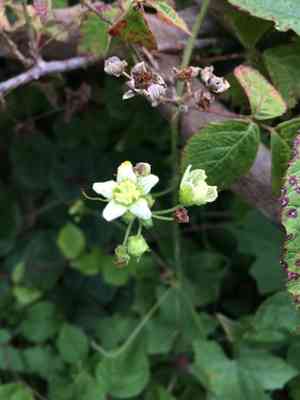
1
Every part of cretan bryony is poisonous, leading to severe digestive issues even with minimal consumption.
2
Felines that eat cretan bryony display signs of distress; prompt veterinary care is essential for recovery.
3
Canines face elevated heart rate and muscle weakness if they ingest any portion of cretan bryony; seek immediate medical help.
Is Cretan bryony toxic to humans?
Cretan bryony exhibits a moderate degree of toxicity to humans, mainly through consumption. Every part of the plant is poisonous, containing substances called cucurbitacins, which are responsible for its harmful properties. When eaten, even in small amounts, cretan bryony can lead to severe digestive issues. Signs of poisoning include intense stomach pain, throwing up, loose stools, and occasionally, a fast and weak heartbeat. The intensity of these symptoms can differ based on the quantity ingested, but it's vital to be aware of the potential dangers linked to accidental consumption of any part of cretan bryony, as it presents a considerable health risk.
Is Cretan bryony toxic to cat?
Cretan bryony presents a moderate toxicity danger to felines. Should a cat inadvertently consume any portion of cretan bryony, as its whole composition contains harmful elements, the animal might suffer negative health consequences, marked by indications of physical distress or sickness. The poisonous compounds found in cretan bryony are identified as cucurbitacins, recognized for their bitter flavor and potential to cause harm when consumed. If a cat shows any worrying signs after contact with cretan bryony, it is essential to get immediate veterinary help to ensure the cat receives appropriate treatment.
Is Cretan bryony toxic to dog?
Bryonia cretica, commonly known as Cretan bryony, presents a moderate toxicity danger to canines. When dogs accidentally consume any part of cretan bryony, they face a risk of poisoning due to the presence of toxic compounds known as cucurbitacins. The entire plant is poisonous, meaning that ingestion of foliage, stalks, roots, or fruits can result in adverse health effects. Symptoms of poisoning might include digestive upset, characterized by vomiting and diarrhea, along with more serious signs such as an elevated heart rate and muscle weakness. It is crucial for dog owners to be watchful and prevent their pets from accessing cretan bryony. If a dog does consume any part of this plant, it is imperative to seek immediate veterinary attention to ensure the best possible outcome for the animal's well-being.



