How to Transplant Pinguin?
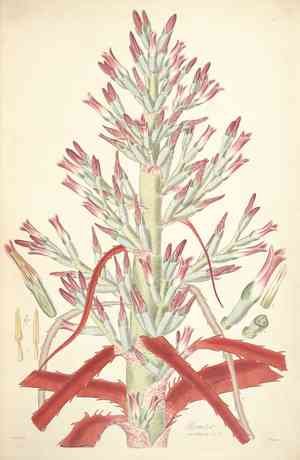
For pinguin, the interval spanning from the revitalization of spring to the onset of summer offers a perfect window for relocation. The temperate climate during this phase aids in root development. Select a location with good drainage and sufficient sunlight. Careful manipulation of the root system during transfer improves the outcome.
Essential Preparations Before Relocating Pinguin
Optimal Period for Pinguin Relocation?
The prime time for relocating pinguin spans from the onset of early spring until the gentle close of late spring, leveraging mild temperatures for root development. This window provides pinguin with an excellent start, as the soil warms, becomes pliable, and is easier for young roots to penetrate. Balanced weather conditions prevent transplant shock, ensuring pinguin flourishes robustly. During this phase, pinguin benefits from increasing daylight, which stimulates healthy growth, while the temperate climate lessens stress on new shoots, facilitating a smooth transition to their new site.
Recommended Spacing Between Pinguin Plants?
For your pinguin, aim for a separation of approximately 24-36 inches (60-90 cm). This provides ample room for each plant to thrive without overcrowding. A bit of individual space is precisely what they require to prosper!
Ideal Soil Blend for Pinguin Relocation?
Your pinguin will flourish in well-draining, loamy soil. Enhance it with a balanced, slow-release fertilizer to provide a nourishing beginning. Preparing the soil with this robust base leads to healthier plants!
Optimal Location for Your Pinguin?
Select a site for your pinguin that receives partial shade, particularly where the afternoon sun is less intense. Some morning sunlight is beneficial, but excessive exposure can be detrimental. A perfect equilibrium promotes vigorous growth!
Tools Required Before Pinguin Relocation
Gardening Gloves
To safeguard your hands while handling soil and plants.
Shovel or Spade
For excavating the plant and the new planting hole.
Pruning Shears
To trim any dead or excess roots and foliage.
Wheelbarrow or Garden Cart
For moving the plant from one spot to another.
Watering Can or Hose
To hydrate the plant before and after relocation.
Plant Supports/Stakes
To help pinguin remain upright in its new position if needed.
Mulch
To aid in retaining soil moisture and regulating temperature around the plant's base post-relocation.
Method for Extracting Pinguin from the Soil?
Method for Extracting Pinguin from the Soil?
From Ground: First, moisten the soil around the pinguin plant. Then, use a shovel or spade to dig a wide trench around the plant, ensuring the root ball stays intact. Carefully work the spade beneath the root ball to lift the plant from its original spot.From Pot: Begin by watering your pinguin to facilitate easier removal. Support the plant's base and tilt the pot sideways. Gently tap or press the pot to loosen the root ball and carefully slide the plant out.From Seedling Tray: Water the seedlings to soften the soil. Use a spoon or a small tool to gently lift each pinguin seedling, ensuring to include as much of the root system as possible while preventing damage.
Step-by-Step Guide for Relocating Pinguin
Preparation
Gather all necessary tools and confirm the new planting area is ready for the pinguin.
Root Ball Size
When extracting pinguin from the ground or pot, ensure the root ball is intact and roughly the same size as the plant's foliage spread.
Plant Extraction
Follow the appropriate removal procedure based on whether pinguin is coming from the ground, a pot, or a seedling tray, taking care to preserve the root system.
Relocation Hole
Dig a hole in the new location that is twice as wide and as deep as the root ball.
Placement
Position the pinguin in the center of the hole, ensuring it's at the same depth it was previously growing. Backfill around the roots with soil, gently tamping down to eliminate air pockets.
Soil Adjustment
Once pinguin is in place, make any necessary soil adjustments, such as adding more soil to fill the hole or removing excess.
Watering
Thoroughly water the pinguin after relocation to settle the soil and hydrate the roots.
Supports
If required, insert plant supports or stakes into the ground to help pinguin maintain its form and provide stability.
Mulching
Apply a layer of mulch around the base of pinguin, being careful to avoid direct contact with the stems to reduce water evaporation and suppress weeds.
Post-Relocation Care for Pinguin
Consistent Watering
Ensure pinguin receives sufficient water to keep the soil moist and encourage root growth without causing saturation.
Monitoring
Observe the pinguin for indications of stress, such as wilting or discolored leaves, and take corrective measures if needed.
Pruning
Trim any damaged or dead leaves to help pinguin channel its energy into establishing new growth.
Staking
Regularly check stakes or supports and adjust them as the pinguin grows to prevent damage or constriction.
Mulch Maintenance
Replenish the mulch layer as necessary to sustain its benefits for the pinguin.
Resolving Common Pinguin Relocation Issues.
When is the optimal time to relocate pinguin?
Choose the active growth period between early to late spring for pinguin relocation. This timing promotes stronger establishment.
What spacing should I maintain between pinguin during relocation?
Allow pinguin ample room to flourish by spacing them 24-36 inches (60-90 cm) apart.
How deep should the hole be for relocating pinguin?
Excavate a hole deep enough so the root ball sits flush with the soil surface, typically around 10-12 inches (25-30 cm).
Why are my relocated pinguin wilting?
Wilting may signal shock. Ensure adequate watering, avoiding both dryness and waterlogging, and initially provide partial shade.
How much sun does pinguin require after relocation?
After relocation, pinguin prefer bright, indirect light. Gradually introduce them to full sun to prevent stress.
Should I fertilize pinguin immediately after relocation?
Wait 4-6 weeks before fertilizing pinguin to prevent burning delicate roots. Then, use a balanced, slow-release fertilizer.
How frequently should I water pinguin after relocation?
Water pinguin thoroughly immediately after relocation, then maintain moist soil, especially during the initial weeks.
Can I relocate pinguin on a hot, sunny day?
Relocating pinguin on cool, overcast days is best to minimize stress and evaporation. Avoid hot, sunny conditions initially.
What type of soil is ideal for relocating pinguin?
Utilize well-draining soil rich in organic matter for pinguin, ensuring proper nutrition and moisture retention.
How can I identify root rot in pinguin after relocation?
Signs of root rot in pinguin include yellowing leaves, darkened roots, and a decaying odor. Ensure good drainage and prevent overwatering.



