How to Prune Pinguin?
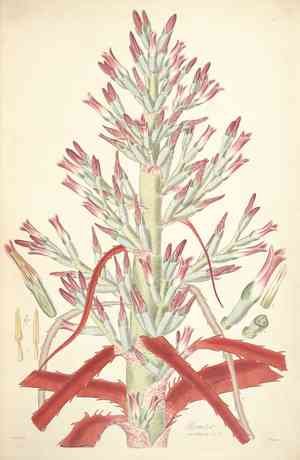
A tropical bromeliad featuring rigid foliage and palatable fruits, pinguin flourishes with little upkeep. Trimming should concentrate on detaching deceased or injured leaves at their origin, and severing withered flower stems to stimulate fresh development. The optimal period for pruning is early summer, after its blooming phase. Pruning improves plant well-being by averting decay and illness. Employing sanitized implements is essential to preclude contamination. Pruning additionally preserves a neat look and fosters robust growth.
Advantages of Trimming Pinguin
Advantages of Trimming Pinguin
Trimming pinguin promotes a more plentiful yield by stimulating fruit development. It also fosters robust growth, ensuring a healthier specimen. Regular shaping maintains its attractive form, crucial for both decorative and practical garden purposes.
Optimal Time for Trimming Pinguin
Optimal Time for Trimming Pinguin
Trimming or cutting pinguin during early summer aligns with the plant's natural growth pattern after blooming. Pinguin typically flowers in the spring, making early summer an ideal period as it allows the plant to direct energy towards new growth and recovery post-flowering. Pruning at this time helps balance the plant's vegetative growth and energy reserves. It also prevents potential harm or stress that could occur if pruning were done during flowering or fruit production. Furthermore, in regions where pinguin is cultivated, early summer offers a mild climate that supports healing and vigorous growth following pruning activities.
Tools Required for Pruning Pinguin
Sharp Hand Pruners
Perfect for making clean cuts on pinguin's smaller stems and removing spent blooms, reducing stress on plant tissues.
Long-Handled Loppers
Pinguin can have tougher, thicker stems that might be hard to reach; long-handled loppers offer leverage and reach for these situations.
Protective Gloves
Pinguin's leaves can be spiny or sharp; wearing gloves safeguards hands from scratches during the pruning process.
Gardening Shears
Suitable for shaping pinguin and precisely trimming off any dead or unhealthy leaves.
Pruning Saw
For mature pinguin specimens with very thick stems, a pruning saw may be necessary to cut through the tough material without harming the plant or the gardener.
How to Prune Pinguin
Identify And Prepare
Locate all diseased, withered, and dead material on pinguin that needs pruning. Prepare clean, sharp tools like pruning shears or a knife to prevent plant injury and disease transmission.
Diseased Leaves
Carefully remove diseased leaves by cutting them at their base where they meet the main stem or the soil line. Ensure a clean cut to prevent damage to pinguin's remaining healthy tissue.
Withered Leaves
Prune withered leaves similarly to diseased ones, cutting at the leaf's base to encourage healthy growth and improve air circulation within pinguin.
Dead Branches
Cut dead branches from pinguin by trimming them at the point where they meet healthy tissue. Avoid leaving stubs as these can rot and attract pests or diseases.
Diseased Branches
Remove any diseased branches from pinguin, cutting well into the healthy tissue to ensure complete removal of infected parts. Disinfect your tools after each cut to prevent spreading the disease to healthy areas of the plant.
Common Pruning Errors with Pinguin
Overpruning
Removing too many leaves or cutting back the foliage too aggressively can stress pinguin and potentially hinder its growth and ability to photosynthesize effectively.
Improper Cut Location
Cutting leaves or stems too close to the main trunk can create wounds that may lead to infections or pests attacking pinguin. Similarly, leaving too much of a stub can also impede healing and lead to decay.
Using Dirty Tools
Pruning with unsterilized tools can introduce pathogens to pinguin and spread diseases between plants.
Disregarding Plant Structure
Failing to understand pinguin's natural growth pattern can result in poor shaping, which may affect the plant's structural integrity and aesthetic appeal.
Pruning Healthy Growth
Mistakenly cutting off healthy growth instead of just removing dead or damaged foliage can reduce pinguin's vitality and flowering potential.
General Pruning Advice for Pinguin
Sanitized Pruning Tools
Always use clean, sharp pruning shears or scissors to make precise cuts and minimize the risk of disease transmission to pinguin.
Dead Or Damaged Foliage Removal
Focus on removing any dead, damaged, or diseased foliage to promote healthier growth and enhance air circulation within pinguin.
Cutting Technique
Make cuts at an angle to prevent water accumulation, which could lead to rot, and ensure they're made at a safe distance from the main stem to facilitate proper healing.
Prune After Flowering
Although the best season is not to be discussed, timing is crucial; prune pinguin after it has completed its flowering cycle to encourage new growth without impeding the plant's ability to bloom.
Maintain Plant Shape
Prune pinguin to maintain its natural shape and size, which will support the plant’s health and visual appeal, making controlled cuts to encourage the desired form without compromising the plant's structure.



