How to Overwinter Pinguin
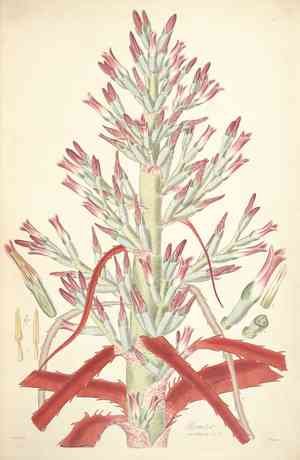
1
The Pinguin plant flourishes in warm environments and requires diligent attention to endure cold seasons.
2
Continuously monitor temperature and moisture levels to maintain the Pinguin's well-being.
3
Appropriate winter maintenance allows your Pinguin to revitalize and prosper with the onset of spring.
Why is Overwintering Pinguin Essential?
Why is Overwintering Pinguin Essential?
As a tropical plant, Pinguin cannot withstand cold temperatures. Overwintering is vital to maintain the plant's life and health through colder periods. Without proper attention, Pinguin may suffer from frost damage, dehydration, or even perish. Understanding how to overwinter your Pinguin ensures it stays strong and ready to thrive when warm weather returns.
Ideal Conditions for Overwintering Pinguin
Optimal Temperature Range
To successfully overwinter your Pinguin, keep indoor temperatures between 15-27°C (59-81°F). Position the plant away from drafts, heaters, or direct heat sources to prevent temperature fluctuations.
Humidity Requirements
Pinguin flourishes in environments with 50-70% humidity. If your home is dry during winter, consider using a humidifier or placing a humidity tray nearby to maintain sufficient moisture. Regular misting can also help keep the humidity around the plant within the desired range.
Light Needs
While Pinguin prefers bright, indirect light in winter, avoid placing it in harsh direct sunlight, which can burn its leaves. Grow lights can be beneficial if natural light is insufficient.
Preparing Pinguin for Overwintering
Pruning Tips
Before winter arrives, prune your Pinguin to remove any dead or damaged foliage. This not only helps the plant conserve energy but also reduces the risk of pests and diseases during its dormant phase.
Cleaning and Inspecting for Pests
Thoroughly inspect your Pinguin for pests like aphids, spider mites, or mealybugs before bringing it indoors. Clean the plant by gently wiping leaves with a damp cloth and applying insecticidal soap if needed to keep it pest-free.
Repotting or Soil Care
Ensure Pinguin is in fresh, well-draining soil before winter. If repotting, choose a container that allows excess water to drain, preventing root rot. Adding a layer of gravel at the pot's bottom can improve drainage.
How to Care for Pinguin During Winter
Watering Schedule
Water your Pinguin sparingly during winter. The soil should remain slightly moist but not waterlogged. Reduce watering frequency compared to summer, ensuring the top 2.5 cm (1 inch) of soil is dry before the next watering.
Fertilization Practices
Fertilizing during winter is generally not needed for Pinguin. However, if you observe continued growth, use a diluted, balanced fertilizer once a month to avoid overfeeding.
Monitoring for Disease and Pests
Regularly check your Pinguin for any signs of disease or pests. Look for discolored spots, sticky residue, or webbing on the leaves. Early detection and treatment with appropriate organic or chemical solutions can prevent infestations.
What are the Signs of Stress in Pinguin During Winter?
Identifying Yellowing Leaves
Yellow leaves can indicate overwatering, insufficient light, or nutrient deficiencies. Adjust the care routine accordingly if you notice yellowing leaves on your Pinguin.
Spotting Wilting or Browning
Wilting or browning leaves often signal underwatering. Ensure the plant receives adequate moisture, but avoid overwatering. Maintain a consistent watering schedule to keep your Pinguin healthy.
Detecting Root Rot Symptoms
Root rot is a common issue due to excessive moisture. Symptoms include wilting, yellowing leaves, and foul-smelling roots. If you suspect root rot, repot the plant into fresh, dry soil and trim any affected roots.
Preparing Pinguin for Spring
Gradual Reintroduction to Outdoor Conditions
As spring approaches, gradually acclimate your Pinguin to outdoor conditions. Begin by placing it outside for a few hours daily, slowly increasing exposure time over a couple of weeks to prevent shock.
Increasing Water and Nutrient Supply
As temperatures rise, increase watering frequency and begin fertilizing your Pinguin regularly with a balanced, slow-release fertilizer. This will support new growth and ensure a healthy transition into the growing season.



