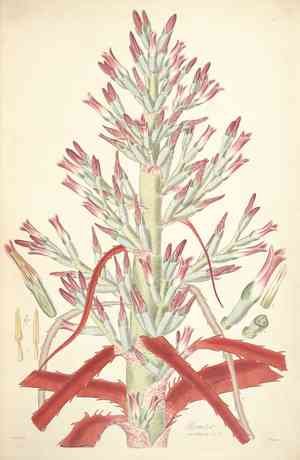
Pinguin (Bromelia pinguin)
Also known as: Thatch, Wild pineaple
The plant you're referring to is the Pinguin (*Bromelia pinguin*). This large perennial bromeliad can reach heights of up to 1.8 meters. In the summer, it produces striking red flowers. Its slightly tart fruit is typically peeled like a banana and enjoyed fresh. Due to its prickly, spiny leaves, it is also suitable for use as a natural barrier or along fence lines.
In This Article
Attributes of Pinguin
Lifespan
Perennial
Plant Type
Herb
Plant Height
2 m
Spread
1 m
Leaf Color
Green
Flower Size
3 cm
Flower Color
White Purple Red
Images of Pinguin
Quickly Identify Pinguin
1
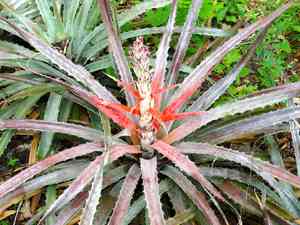
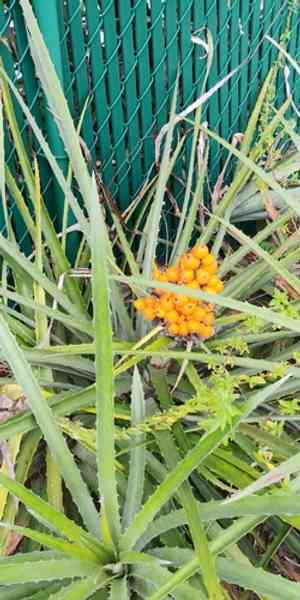
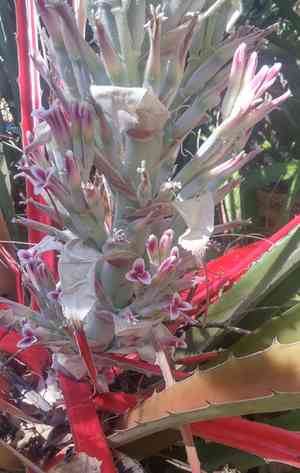
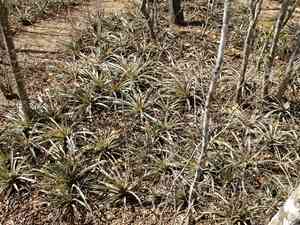
Bromelia pinguin can be identified by its rosette of long, narrow, and spiny leaves, which are usually green with a slight blueish tint. The plant produces a central flower spike, and the flowers are followed by large, pineapple-like fruits.
Scientific Classification of Pinguin
Phylum
Vascular plants
Class
Monocotyledons
Order
Poales
Family
Bromeliad
Genus
Bromelia
Species
Pinguin
Planting and Growing of Pinguin
Care Difficulty
Easy
Watering Schedule
Every 4 days
Sunlight Requirements
Full sun
Sunshine Duration
6-10 hours
Ideal Temperature
70-85℉
Soil Type
Potting Mix, Peat Mix
Soil pH
6.5-7.5
Fertilizer Type
Balanced
Pruning Season
Spring, Summer
Pruning Area
Branches, Leaves
Pruning Frequency
2 times a year
Repotting Season
Spring
Pot Type
Plastic, Ceramic
 How to Water Pinguin?
Bromelia pinguin should be watered deeply but infrequently. Each watering session should involve around 250 ml, ensuring the soil is consistently moist but never waterlogged. The goal is to mimic the natural rainfall patterns of its native habitat.
What are the symptoms of an underwatered Pinguin?
›
What should I do if my Pinguin is not getting enough water?
›
What are the symptoms of an overwatered Pinguin?
›
How to save an overwatered Pinguin?
›
 What Are the Sunlight Requirements for Pinguin?
The ideal light range for Bromelia pinguin includes full sun to partial sun, offering the necessary energy for optimal growth. Adequate light enhances foliage color and promotes flowering.
More About Sunlight Requirements Techniques→
What is the ideal light for Bromelia pinguin?
›
How can you ensure Bromelia pinguin gets ideal lighting?
›
Benefits of ideal light exposure for Bromelia pinguin?
›
 What Is the Ideal Temperature Range for Pinguin?
The ideal temperature range for growing Bromelia pinguin is between 70°F and 85°F. This range provides optimal conditions for growth, flowering, and fruit production. In this temperature range, the plant's metabolic processes operate efficiently, ensuring healthy development. Maintaining this temperature range will also help prevent stress and potential disease.
 What Soil is Best for Pinguin?
Bromelia pinguin thrives in well-drained soil. This type of soil prevents waterlogging, which can cause root rot. It promotes healthy root growth by allowing excess water to flow away, ensuring that roots get the necessary oxygen. This plant requires soil rich in nutrients to support its lush foliage and vibrant blooms. Organic matter such as compost or well-rotted manure can enrich the soil, providing essential nutrients and improving soil structure. While Bromelia pinguin enjoys moisture, the soil should retain just enough water to maintain hydration without staying soggy. Sandy loam provides the perfect balance, holding moisture while still allowing aeration.
 How to Fertilize Pinguin?
Bromelia pinguin typically requires a balanced amount of fertilizer to thrive. Use a balanced, water-soluble fertilizer diluted to half the recommended strength. Apply approximately 1 tablespoon per gallon of water for liquid feeding. For solid fertilizer, 1.5 to 2 grams per plant are usually sufficient.
 How to Prune Pinguin?
Begin by identifying and removing any dead or brown leaves from the bottom of the plant. These leaves no longer benefit the plant and can harbor pests or disease. Use your shears to cut them as close to the base as possible without damaging healthy leaves. If the tips of the leaves appear brown or damaged, trim them slightly to improve appearance. Always cut at an angle to promote better wound healing. Avoid cutting into the healthy green parts of the leaf. Prune to maintain the natural rosette shape of Bromelia pinguin. Occasional trimming may be required for aesthetic reasons or to remove particularly long leaves that disrupt the plant's overall symmetry. Achieving balance is key to maintaining its exotic appeal.
More About Pruning Techniques→
 How to Propagate Pinguin plant?
1
Choose a mature Bromelia pinguin plant and ensure it is healthy. Gently remove the plant from its pot and shake off excess soil to have a clear view of the roots.
2
Use a sharp knife to divide the plant into smaller sections. Ensure each section has a healthy portion of roots and foliage. This encourages robust growth in the newly separated plants.
3
Scatter the Bromelia pinguin seeds evenly on a prepared seed tray filled with potting mix. Cover lightly with additional mix, ensuring seeds are not buried too deep.
 How to Repot Pinguin plant?
1
Bromelia pinguin should be repotted when the roots start to outgrow the current pot, usually visible through roots poking through drainage holes or crowding at the soil surface. Noticing a decline in plant health despite proper care can also signal a need for repotting. Early spring or summer is ideal, providing ample growing time in new soil.
2
Select a pot that is only slightly larger than the current one, about 1-2 inches in diameter wider. This helps prevent overwatering issues by ensuring the root system absorbs moisture properly. Ensure the pot has sufficient drainage holes to avoid stagnant water, essential for preventing root rot.
3
Opt for a well-draining cactus soil mix to provide excellent aeration and avoid waterlogging. This mixture supports healthy root growth and reduces the risk of fungal infections. The inclusion of sand or perlite improves drainage, crucial for a Bromelia pinguin's robust growth.



