How to Propagate Pinguin?
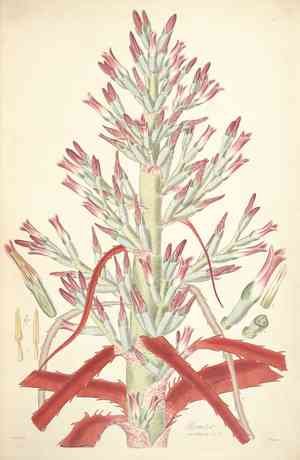
Pinguin is efficiently multiplied by means of division, which entails detaching the plantlets that emerge around the parent plant's foundation. For successful multiplication, cultivators ought to wait until these juvenile plants have formed roots prior to carefully detaching them. This guarantees a greater likelihood of survival when they are relocated into porous soil, preferably abundant in organic material. Attention should be paid to sustaining sufficient hydration and warmth to aid the integration of pinguin into their new surroundings.
Optimal Period for Pinguin Propagation
Propagation Method
Separation
Propagation Period
Spring,Autumn
Tools for Pinguin Propagation
Sharp Knife
A keen-edged knife is vital for dividing Pinguin's root mass or rhizomes. It ensures clean cuts, minimizing plant tissue damage, aiding faster recovery, and lowering infection risk. The precision of a sharp knife is key for each section to have adequate roots and shoots.
Pruning Shears
Pruning shears are utilized to remove excess or dead foliage before Pinguin division. This lessens plant stress by reducing the leaf area it must sustain, especially beneficial when the root system is disturbed. Well-maintained shears provide clean cuts that heal quickly, preventing disease.
Garden Spade or Fork
A garden spade or fork is needed to carefully dig around Pinguin, lifting it from the ground without severe root system damage. This tool allows for gentle handling and minimal root structure disturbance, crucial for the plant's establishment post-division.
Potting Soil
Premium potting soil supplies Pinguin with essential nutrients and proper drainage for post-propagation success. The soil acts as a supportive medium, encouraging root growth and maintaining moisture, vital for the plant's recovery and development.
Rooting Hormone (Optional)
Rooting hormone can be applied to Pinguin's cut root surfaces during division to boost root development and improve survival rates. This is especially helpful for propagating mature plants that might otherwise struggle to establish new roots.
Pinguin Propagation Guide
Propagation Method
Simple
Caring for Your Newly Propagated Pinguin
Caring for Your Newly Propagated Pinguin
Post-propagation, Pinguin needs bright, indirect light, avoiding direct sun which can scorch leaves. Maintain high humidity by regular misting or using a humidity tray. Fertilize monthly with a balanced, water-soluble fertilizer at half strength. Regularly check for pests and diseases, treating as needed to prevent spread. As it grows, Pinguin may produce new offsets, which can be propagated similarly to expand your collection.
Common Errors to Avoid When Propagating Pinguin
Insufficient light
Providing either too much direct sunlight or inadequate light can impede Pinguin's growth. This error can result in leaf burn or stunted development.
Overwatering
Excessive watering of Pinguin can lead to root rot, a frequent problem that can kill the plant before it establishes.
Incorrect soil mix
Using a soil blend that drains poorly or doesn't mimic Pinguin's natural growing conditions can hinder proper root development.
Neglecting humidity
Ignoring Pinguin's humidity needs can cause dehydration or poor growth, as Pinguin thrives in more humid environments.
Planting depth error
Planting Pinguin cuttings or offsets too deep can cause stem rot, while shallow planting might not adequately support initial growth.
Tips For Propagating Pinguin
Light requirement balance
Provide Pinguin with bright, indirect light, avoiding direct sunlight, which promotes healthy growth without leaf burn.
Watering regimen
Water Pinguin sparingly, allowing the topsoil to dry between waterings to prevent root rot and encourage robust root development.
Appropriate soil
Utilize a well-draining potting mix, such as a blend of peat, sand, and perlite, to create an environment that fosters healthy root growth for Pinguin.
Humidity control
Maintain a humid environment for Pinguin, achievable through regular misting or using a humidity tray.
Correct planting depth
Plant Pinguin cuttings or offsets at the proper depth to ensure stability without being too deep, preventing stem rot and encouraging proper root establishment.



