How to Transplant Kurrajong?
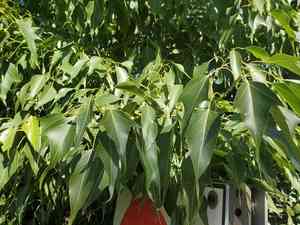
The arrival of warmer weather in early to mid-spring, once the ground softens, establishes the ideal period for relocating kurrajong. Choose a bright spot featuring soil that drains effectively. Careful handling throughout this procedure guarantees improved adaptation.
What Preparations are Needed Before Transplanting Kurrajong?
What is the Ideal Time for Transplanting Kurrajong?
The optimal period to move kurrajong is during the early to mid-spring months. This timeframe offers ideal conditions for root establishment, due to the warming ground and the start of the growing season. Relocating kurrajong at this point promotes vigorous growth, as it aligns with the plant's natural cycle of renewal and root expansion. As a gardener, you'll appreciate the smooth transition and strong development that results from synchronizing with kurrajong's inherent growth rhythm.
How Much Space Should You Leave Between Kurrajong Plants?
For kurrajong, it's essential to provide ample room! Aim for a separation of approximately 15-20 feet (4.5-6 meters) between each plant. This will encourage better growth and help prevent overcrowding.
What is the Best Soil Mix for Kurrajong Transplanting?
The perfect soil for kurrajong is one that drains well. Enhance it with a slow-release, granular base fertilizer to supply nutrients. Maintaining a slightly acidic soil environment will foster favorable growth. Be sure to till and mix the soil before planting for proper aeration.
Where Should You Relocate Your Kurrajong?
Ensure you select a location for kurrajong that receives abundant sunlight, as these plants generally flourish in full sun exposure. An outdoor spot with 6 to 8 hours of direct sunlight daily would be perfect.
What Equipments Should You Prepare Before Transplantation Kurrajong?
Gardening Gloves
To safeguard your hands while handling tools and directly tending to the roots of kurrajong.
Shovel or Spade
Robust implements to aid in extracting kurrajong from its original spot and excavating a suitable hole at the new site.
Pruning Shears
Useful for trimming any damaged roots or branches during the transplanting process.
Wheelbarrow or Plant Care
For transporting kurrajong from its initial location to the new one, especially if it's large or heavy.
Water Hose or Watering Can
For gently irrigating kurrajong before and after transplanting.
Mulch
Helps to maintain soil moisture and inhibit weed growth around kurrajong.
How Do You Remove Kurrajong from the Soil?
How Do You Remove Kurrajong from the Soil?
From Ground: Begin by watering the kurrajong plant to moisten the soil around its roots, which facilitates easier removal. Use your spade to dig a wide circular trench around the plant, being mindful of the root ball. Carefully lift the plant from the ground once you can get your spade beneath the root ball.From Pot: First, water the kurrajong plant to dampen the soil. Turn the pot on its side and gently tap it to loosen the plant. You might need to carefully run a knife around the inside of the pot if the plant doesn't come out easily. Gently pull out the plant while supporting the root ball.From Seedling Tray: Slightly moisten the soil of the kurrajong seedling tray for effortless extraction. Gently separate the seedlings from their cells, avoiding any damage to their roots. It's crucial to handle the seedlings by their leaves or root ball, not by their stems.
Step-by-Step Guide for Transplanting Kurrajong
Size Check
Ensure that the hole you're digging at the new site is both wider and deeper than the root ball of kurrajong. This provides ample space for establishment.
Prepare the Hole
Prepare the hole by loosening the soil at the bottom and sides, which makes it easier for the roots to grow and spread.
Positioning
Place kurrajong in the hole, making sure the top of the root ball is level with the ground, not buried, which can lead to rot.
Backfilling
Gently backfill the hole, firming the soil around the root ball. Be careful not to harm the kurrajong while doing so.
Watering
Once kurrajong is securely in its new home, it's time to water it thoroughly to revive and establish it.
How Do You Care For Kurrajong After Transplanting?
Regular Monitoring
Keep a close watch on kurrajong for the initial few weeks. This is when it's most susceptible, and also when you can detect and correct early signs of stress, such as wilting or yellowing leaves.
Pruning
Postpone any significant pruning until kurrajong has fully adjusted to its new location. Minor and essential trims to keep the plant neat are acceptable. But remember, every leaf is a photosynthesis factory providing energy for kurrajong to establish in its new home.
Troubleshooting Common Issues with Kurrajong Transplantation.
What is the best time to transplant kurrajong?
Ideally, you should transplant kurrajong between Seasons 1 and 2, when the plant is most likely to adapt to a new location.
How much space should I leave between kurrajong plants?
To give kurrajong enough room to grow, maintain a distance of around 15-20 feet (4.5-6 meters) between each plant.
Can I transplant kurrajong anytime I feel like?
Transplanting kurrajong isn't purely about timing. Optimal conditions prevent stress to the plant. Consider season, plant health, and other environmental factors.
Why do the leaves of my transplanted kurrajong look yellowish?
Yellow leaves may indicate shock, a common response to transplant. Support your kurrajong by maintaining correct hydration and soil conditions.
How much water does a freshly transplanted kurrajong need?
The kurrajong needs sufficient watering post-transplant, but avoid overwatering. Monitor the soil's moisture level and ensure it's consistently damp, not soggy.
Why does my kurrajong look wilted after transplanting?
Transplant shock may cause wilting in kurrajong. A consistent watering schedule, protection from extreme weather, and good soil should help recovery.
What is the correct depth of hole for transplanting kurrajong?
Dig a hole twice as wide as the root ball of kurrajong and deep enough to cover the roots completely without burying the stem.
What type of soil is best suitable for transplanting kurrajong?
Kurrajong adapts well to most soil types. As long as the soil is well-draining, your plant has a good chance to thrive.
Can I transplant kurrajong in a container?
Absolutely! Just ensure the container is spacious, around double the root ball's size. Also, use well-draining soil, and place it where kurrajong can access sunlight.
My transplanted kurrajong isn't growing as expected, what should I do?
Patience is key. Kurrajong might be adjusting to the transplant. Maintain optimal conditions, such as correct watering, sunlight, and soil. If issues persist, consult a local nursery or arborist.



