How to Propagate Kurrajong?
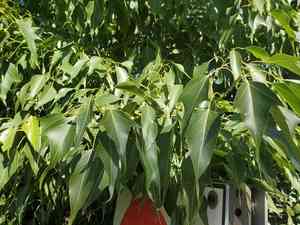
Brachychiton populneus is a resilient Australian indigenous tree recognized for its robustness and aesthetic value, capable of withstanding dry conditions. For propagating Brachychiton populneus, choose stem sections from robust, established plants during their period of active development. These cuttings require treatment with rooting compounds to improve their chances of taking root, should be placed in a growing substrate that drains effectively, and kept uniformly damp. Ensure sufficient diffused light and a humid atmosphere to foster the growth of new root structures, which is essential for successful propagation.
When Is the Best Time to Propagate Kurrajong?
Propagation Type
Cutting
Propagation Season
Autumn,Winter
What Tools Are Used in Kurrajong Propagation?
Sharp Pruning Shears
Crucial for taking clean, precise cuttings from kurrajong, sharp pruning shears help minimize damage to both the parent plant and the cutting. A clean cut boosts the cutting's rooting chances by reducing infection risk and promoting faster healing.
Rooting Hormone
This compound encourages root growth at the cut site when applied to the cutting's base. For kurrajong, which can have varied rooting success, rooting hormone significantly increases successful establishment by stimulating quicker, more robust root development.
Sterile Potting Mix
Used to provide a clean, balanced nutrient medium for kurrajong cuttings, sterile potting mix prevents fungal and bacterial infections, which are vital in the early rooting stages. The mix supports healthy growth by maintaining proper moisture and oxygen levels.
Propagation Trays
These trays are designed to hold multiple cuttings, enabling efficient, organized growth environments. They are typically used with a suitable sterile potting mix. For kurrajong, propagation trays help maintain consistent conditions for many cuttings, improving overall success rates.
Plastic Covers or Domes
These covers maintain high humidity around kurrajong cuttings, which is essential to prevent them from drying out before roots develop. An optimal humid environment supports better survival rates during the critical initial weeks of rooting.
How to Propagate Kurrajong?
Propagation Type
Moderately Difficult
How to Care for Your Newly Propagated Kurrajong?
How to Care for Your Newly Propagated Kurrajong?
After propagation, gradually introduce the kurrajong to more direct sunlight. Water regularly, allowing the soil to dry slightly between waterings. Fertilize annually with a slow-release general-purpose fertilizer, but avoid over-fertilizing. Prune kurrajong to maintain its shape and remove any dead or diseased branches. When planted in the ground, ensure kurrajong has ample space for its mature size.
Common Mistakes to Avoid When Propagating Kurrajong
Overwatering Cuttings
Excessive watering can lead to root rot, hindering the establishment of new cuttings. Saturated soil conditions are detrimental to kurrajong's root development.
Ignoring Root Hormone
Omitting rooting hormone can result in slow or unsuccessful root formation, as it significantly boosts rooting success in kurrajong.
Planting Depth Error
Planting cuttings too deep or too shallow can negatively impact rooting and growth. Cuttings require proper depth for stability and root development in kurrajong.
Neglecting Pot Drainage
Using pots without adequate drainage can cause water accumulation, leading to root problems. Proper drainage is crucial for kurrajong's cuttings to thrive.
Impatience with Growth
Expecting rapid results can lead to disappointment as kurrajong may take longer to root and grow, causing gardeners to abandon efforts prematurely.
Tips For Propagating Kurrajong
Semi Hardwood Cutting
Utilize semi-hardwood cuttings from mature, healthy kurrajong branches for higher propagation success rates.
Sterile Equipment
Ensure all cutting tools are sterile to prevent disease transmission to kurrajong, which can significantly impact propagation success.
Optimal Cutting Size
Cuttings should be an ideal size, around 4-6 inches, to balance moisture retention and rooting potential in kurrajong.
Moisture Balance
Maintain balanced soil moisture; damp but not saturated conditions promote root development without risking rot in kurrajong.
Indirect Light
Provide indirect light to the cuttings to prevent scorching while still supplying the necessary energy for rooting in kurrajong.



