How to Prune Kurrajong?
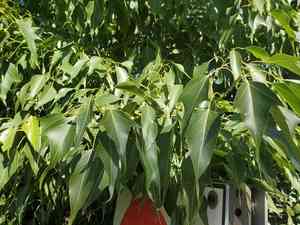
Originating from Australia, the kurrajong is a resilient tree recognized for its distinctive bottle-like trunk and campanulate blossoms. Appropriate trimming ensures its well-being and form, necessitating the elimination of deceased or intersecting limbs and the reduction of congested sections to allow light to permeate. The most suitable period for this is during winter, when the tree is inactive. Trim juvenile trees to cultivate a robust framework, emphasizing a dominant central stem. Trimming additionally encourages fresh development, boosting the thickness of its foliage and the abundance of its flowers. Consistent examination and sterilization of implements deter the dissemination of pathogens.
What Are the Benefits of Pruning Kurrajong?
What Are the Benefits of Pruning Kurrajong?
Trimming kurrajong promotes robust development and helps maintain its desired shape. Removing dead or excess limbs enhances air circulation, lowering disease risk. Strategic cuts can manage size and foster a more vigorous and visually appealing structure.
What Is the Best Time for Pruning Kurrajong?
What Is the Best Time for Pruning Kurrajong?
The optimal period to prune kurrajong is from late winter to early spring, just before new growth begins. This timing is chosen because it follows the coldest part of winter, minimizing the chance of frost damage to fresh cuts. Additionally, pruning kurrajong before its rapid spring growth allows the plant to heal quickly from pruning wounds and direct its energy into producing healthy new shoots. This timeframe also typically falls after kurrajong's main flowering season, ensuring that potential blooms are not significantly impacted by the pruning process.
What Tools Do I Need to Prune Kurrajong?
Hand Pruners
Perfect for snipping thin branches and managing new growth on kurrajong.
Loppers
Suitable for medium-sized branches, offering increased leverage for thicker growth.
Pruning Saw
Useful for cutting larger branches that hand pruners and loppers cannot manage.
Pole Pruner
Appropriate for reaching elevated branches without requiring a ladder.
Pruning Gloves
Protect hands from thorns and rough bark during the pruning operation.
Sharpening Tool
Keep pruning tools sharp to ensure clean cuts, which are vital for the plant's health.
How to Prune Kurrajong
Clean Tools
Before starting, sanitize pruning tools to prevent disease spread to kurrajong. Use a bleach or alcohol solution to wipe the blades.
Inspect
Examine kurrajong closely, identifying all dead or diseased branches. These will appear dry, brittle, discolored, or may show visible signs of fungal growth.
Cut Dead Branches
Using sharp, clean shears, trim dead branches by making cuts at a 45-degree angle, approximately 1/4 inch above an outward-facing bud on kurrajong. This encourages outward growth.
Cut Diseased Branches
Trim diseased branches well below the affected area to ensure all diseased tissue is removed. Disinfect the shears after each cut to prevent spreading pathogens to healthy parts of kurrajong.
Dispose
Safely discard all removed material by burning or binning. Do not compost as this can allow diseases to spread. Clean the area around kurrajong to remove any remaining debris or infected material.
Common Pruning Mistakes with Kurrajong
Overpruning
Removing too much foliage can weaken kurrajong and make it vulnerable to diseases and pests. It's crucial to prune no more than one-third of the branches to maintain the plant's health.
Improper Cut Location
Cuts made either too close or too far from the bud can result in poor healing. For kurrajong, cutting just above the bud at a 45-degree angle promotes proper healing and new growth.
Using Dull Tools
Dull or unclean pruning equipment can damage kurrajong's branches, leaving jagged cuts that are susceptible to disease. Always use sharp, clean tools for a clean cut.
Neglecting Dead Or Diseased Branches
Failure to promptly remove dead or diseased branches can spread decay or disease throughout kurrajong. These branches should be pruned first to maintain plant vitality.
Pruning At Random
Randomly cutting branches without understanding the growth pattern of kurrajong can result in a misshapen or weakened plant. Strategic cuts should be made to enhance the plant's natural shape.
Common Pruning Tips for Kurrajong
Selective Pruning
Target specific branches for removal to shape kurrajong and encourage stronger growth. Focus on crossing, weak, or inward-growing branches while preserving the main structure.
Water Sprout And Sucker Removal
Remove water sprouts and suckers that emerge from the base or the trunk of kurrajong as they can drain energy from the main plant. These shoots typically do not contribute to the desired form or fruiting.
Making Clean Cuts
For kurrajong, clean cuts heal faster and reduce the risk of disease. Angle the cuts away from the bud to prevent water accumulation and promote proper growth direction.
Post Pruning Care
After pruning, provide kurrajong with proper care, including mulching and adequate watering, to support recovery and reduce stress on the plant.
Considering Plant Age
Young kurrajong plants should be pruned lightly to establish a strong framework, while more mature kurrajong plants can be pruned more extensively, as needed, to rejuvenate growth.



