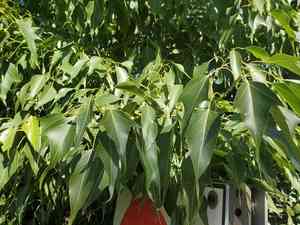
Kurrajong(Brachychiton populneus)

Kurrajong (Brachychiton populneus)

Also known as: Kurrajong, Lacebark Kurrajong, Bottle Tree

Brachychiton populneus, commonly known as the Kurrajong, is a tree native to eastern Australia. It is valued as an ornamental tree and for its drought tolerance.

Attributes of Kurrajong

Lifespan
Brachychiton populneus, also known as Kurrajong, is a perennial tree.

ForwardPlant - Identify plants with a snap

Identify and diagnose plants, get toxicity alerts, and explore safety guides for all types of fungi.

Try for Free

Images of Kurrajong

Kurrajong(Brachychiton populneus)

Quickly Identify Kurrajong

1
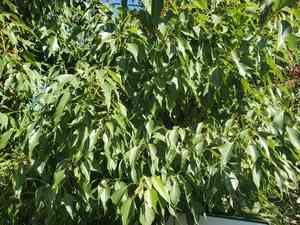
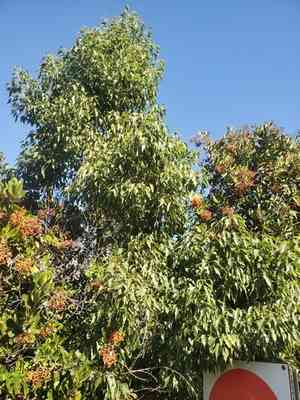
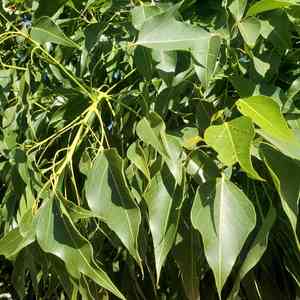
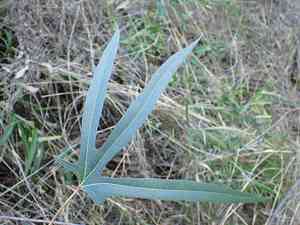
Brachychiton populneus can be identified by its distinct lobed leaves which have a shiny, green upper surface and pale underside. The trunk is often bottle-shaped, and it produces clusters of bell-shaped flowers that are white to pink.

Scientific Classification of Kurrajong

Phylum
Magnoliophyta
Class
Magnoliopsida
Order
Malvales
Family
Malvaceae
Genus
Brachychiton

Planting and Growing of Kurrajong

Watering Schedule
Every 2 days
Sunlight Requirements
Full sun
Sunshine Duration
6-10 hours
Ideal Temperature
68-77℉
Soil Type
Potting Mix, Peat Mix
Soil pH
6.5-7.5
Fertilizer Type
Balanced
Pruning Season
Spring, Summer
Pruning Area
Branches, Leaves
Pruning Frequency
2 times a year
Repotting Season
Spring
Pot Type
Terracotta, Plastic

water icon How to Water Kurrajong?

When watering Brachychiton populneus, it's crucial to ensure that the soil is soaked thoroughly but drains well, ensuring no water remains stagnant at the base. This tree prefers deep watering to promote extensive root growth, but you must allow the soil to partially dry out between watering sessions.
What are the symptoms of an underwatered Kurrajong?
What should I do if my Kurrajong is not getting enough water?
What are the symptoms of an overwatered Kurrajong?
How to save an overwatered Kurrajong?
More About Watering Techniques

sunlight icon What Are the Sunlight Requirements for Kurrajong?

Sunlight Requirements: Full sun, Partial sun
Duration of light: 6 to 8 hours daily
Partial to full sun conditions. Ideal lighting helps maintain strong trunk growth and enhances flowering, contributing to the plant's health and visual beauty.
What is the ideal light condition for Brachychiton populneus?
How can you obtain the ideal light conditions for this plant?
What are the benefits of these ideal light conditions?
More About Sunlight Requirements Techniques

temperature icon What Is the Ideal Temperature Range for Kurrajong?

Ideal Temperature: 68 ~ 77℉
The ideal temperature range for Brachychiton populneus is between 68°F and 77°F. These temperatures mimic the warm conditions found in its native habitat, promoting optimal growth and health. Maintaining this range ensures that the plant has sufficient warmth for photosynthesis and other critical biological processes.

soil icon What Soil is Best for Kurrajong?

Soil type: Sandy loam, Loam
Soil PH: 6.5 ~ 7.5
Brachychiton populneus thrives in well-draining soils that prevent waterlogging and root rot. This attribute helps maintain optimal root health and allows the plant to access essential nutrients efficiently. This plant prefers soils with moderate fertility to avoid excessive nutrient build-up. It ensures balanced growth and prevents lankiness, leading to a more robust structure. The optimal pH range of 6.5 to 7.5 supports the plant's nutrient uptake processes, ensuring it receives all essential minerals. This pH level also promotes beneficial microbial activity in the soil. More About Soil

fertilize icon How to Fertilize Kurrajong?

Fertilizer type: Balanced
Brachychiton populneus, known as the Kurrajong, appreciates a balanced nutrient diet. For liquid fertilizers, half the recommended strength is sufficient, delivered at 1 gallon per application per tree. Slow-release fertilizers should be applied at around 200 grams per plant annually, ensuring even distribution around the root zone. More About Fertilizing Techniques

prune icon How to Prune Kurrajong?

Pruning Time: Spring
Start by removing any branches that are dead, diseased, or damaged. This not only improves the plant's aesthetic but also aids in preventing the spread of disease throughout the plant. Focus on shaping the tree’s canopy. Trim back overreaching branches to encourage a more compact and even shape, ensuring sunlight can penetrate through its branches. Maintain the natural form of the tree for the best visual appeal. When making cuts, opt for those that will enhance airflow and access to sunlight within the tree. Aim to prune back to near a bud or a branching point to stimulate new growth. Be cautious not to remove more than 25% of the tree's foliage in a single year. Over-pruning can stress the plant, reducing its vigor and flowering capability. More About Pruning Techniques

propagate icon How to Propagate Kurrajong plant?

Propagate Time: Spring, Late Spring, Early Spring
1
Harvest seeds from mature pods in late summer when they are fully developed. Ensuring they are dry before storage can prevent mold and rot. Sow seeds in seed trays with well-draining soil in early spring.
2
Take 5-6 inch cuttings from healthy branches in spring. Use sharp shears to make a clean cut just below a node. Remove lower leaves and dip the cut end in rooting hormone to encourage root development.
3
Insert cuttings into pots filled with well-draining soil mix. Firm the soil around the cuttings and water lightly. Place them in a warm, humid environment, maintaining regular misting to ensure high humidity.
More About Propagating Techniques

repot icon How to Repot Kurrajong plant?

Repotting frequency: Every 2-3 years
1
Brachychiton populneus shows signs for repotting when its roots start to circle the pot or grow out of the drainage holes. Additionally, if the plant's growth rate has slowed down significantly, it's indicating that it might need more room to thrive.
2
Select a pot that is only slightly larger than the current one, about 2-3 inches in diameter larger. This ensures that the plant won't sit in too much moisture, and maintains stability for its successor growth. Opt for a pot with sufficient drainage holes to prevent root rot.
3
A well-draining potting mix is crucial for Brachychiton populneus. This type of soil ensures proper air circulation and drainage, which is vital for preventing water-logged roots and fungal infections. Be sure that the mix includes components like perlite or sand.

ForwardPlant - Identify plants with a snap

Find the best spots for them to optimize their health, simply using your phone.

Try for Free

Toxicity of Kurrajong

Is Kurrajong toxic to humans?

Kurrajong presents a mild toxicity risk to humans, chiefly through allergic reactions and accidental ingestion. Contact with the hairs found on the seeds may provoke allergic responses, which can appear as skin irritation or more serious allergic symptoms. Ingesting the seeds represents another method of poisoning, as sterculic acid present within them can induce toxic effects. Symptoms associated with kurrajong poisoning might include gastrointestinal distress, such as nausea, vomiting, and diarrhea. It is essential for individuals to handle the seeds carefully to avoid allergic reactions and to minimize the risk of unintentional ingestion, given that the seeds are the toxic parts of the plant. Although kurrajong is not usually eaten, understanding its potential health risks is vital in preventing accidental poisoning.

Is Kurrajong toxic to cat?

Kurrajong, which has a mild level of toxicity, poses potential harm to felines. Cats may suffer allergic reactions upon contact with the seed hairs of the plant. Furthermore, consuming the seeds, which contain Sterculic acid, could result in poisoning. The most significant toxic elements are the hairs on the seeds, which can induce allergies, and the seeds themselves when ingested. If a cat ingests kurrajong, it may show signs of physical discomfort, suggesting possible toxicity or allergic reactions. It is essential for cat owners to seek immediate veterinary care if their cat exhibits any health concerns following exposure to kurrajong.

Is Kurrajong toxic to dog?

Kurrajong is known to have a mild toxic effect on dogs. Exposure to this plant can occur in various ways, and allergic reactions may develop upon contact with the seed hairs, while toxicity can arise from ingestion. Dogs that either touch or eat parts of the kurrajong plant might display symptoms such as allergic irritation or signs indicative of poisoning, which can include vomiting, diarrhea, lethargy, or abdominal discomfort. The seeds are particularly worrisome; their hair poses an allergenic risk, and they also harbor a toxin that can be detrimental if swallowed. It is crucial for dog owners to remain alert and prevent their pets from interacting with or consuming kurrajong seeds. Should a dog exhibit symptoms of poisoning after exposure to this plant, it is vital to obtain prompt veterinary attention to secure the best possible recovery.

Identify toxic plants for your safety

Learn which plants are harmful to you and your pets, and make informed choices for a safer home!

Try for Free
WARNING
The judgment on toxicity and danger is for reference only. We DO NOT GUARANTEE any accuracy of such judgment. Therefore, you SHALL NOT rely on such judgment. It is IMPORTANT TO SEEK PROFESSIONAL ADVICE in advance when necessary.
More About Toxic Techniques