The Hidden Danger in Your Home? Unmasking the Toxicity of the Kurrajong Plant.
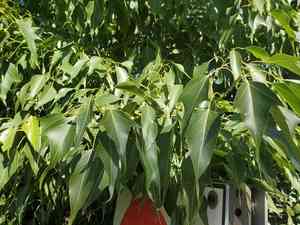
1
Kurrajong presents a danger to people, felines, and canines mainly through allergic responses and consumption.
2
The fibers on kurrajong seeds are capable of causing intense allergic reactions, such as skin irritation and digestive upset.
3
For animals, consuming kurrajong seeds, which contain Sterculic acid, may result in throwing up, loose stools, and sluggishness.
Is Kurrajong toxic to humans?
Kurrajong presents a low-level toxicity risk to people, mainly through allergic responses and consumption. Contact with the seed's bristles can cause allergic reactions, appearing as skin irritation or more severe symptoms. Eating the seeds is another way poisoning occurs, where sterculic acid can lead to harmful effects. Symptoms of kurrajong poisoning might include digestive upset, such as sickness, throwing up, and loose stools. It's vital for individuals to handle seeds carefully to avoid allergies and prevent accidental eating of the seeds, which are the plant's harmful components. While kurrajong isn't usually eaten, knowing its potential health dangers is key to preventing accidental poisoning.
Is Kurrajong toxic to cat?
Kurrajong, with its low toxicity, can be detrimental to cats. Felines might suffer allergic reactions from touching the plant's seed hairs. Furthermore, consuming the seeds, which contain Sterculic acid, could result in poisoning. The most problematic toxic elements are the hairs on the seeds, causing allergies, and the seeds themselves when eaten. If a cat is poisoned by kurrajong, they may show signs of physical distress, indicating potential allergies or toxicity. It is crucial for cat owners to quickly get veterinary help if their cat shows any health problems after being exposed to kurrajong.
Is Kurrajong toxic to dog?
Kurrajong is considered mildly toxic to canines. Exposure to this plant can happen in various ways, with possible allergic reactions from contact with seed hairs and toxicity after ingestion. Dogs that touch or eat parts of kurrajong might display symptoms like irritation from allergies or signs of poisoning, which could include throwing up, loose stools, sluggishness, or stomach pain. The seeds are especially worrying; their hairs are an allergenic threat, and they also contain a harmful substance if eaten. Dog owners must be watchful and stop their pets from touching or eating kurrajong seeds. If a dog shows signs of poisoning after kurrajong exposure, immediate veterinary attention is crucial for the best outcome.



