How to Transplant Hairy pagoda plant?
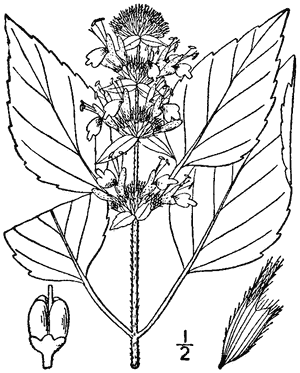
The optimal period for relocating hairy pagoda plant is during the warmer months, specifically from the end of spring through mid-summer, to facilitate robust root development prior to the colder season. Choose a location offering dappled sunlight and soil that drains effectively to foster vigorous development.
Essential Preparations Before Relocating Hairy Pagoda Plant?
Optimal Period for Hairy Pagoda Plant Relocation?
The prime window for moving hairy pagoda plant is the onset of its peak blooming season—from late spring through mid-summer. This timeframe allows hairy pagoda plant to establish its root system while the ground is warm and damp, conditions ideal for development. Transplanting at this point promotes vigorous growth, ensuring the plant flourishes in its new spot before winter. Embrace this season for transplanting to give hairy pagoda plant the best start in its new home!
Recommended Spacing Between Hairy Pagoda Plant Specimens?
When relocating hairy pagoda plant, aim for a separation of 1-2 feet (30-60 cm) between plants. This provides sufficient room for them to thrive without becoming overcrowded.
Ideal Soil Blend for Hairy Pagoda Plant Transplantation?
For hairy pagoda plant, prepare a soil mixture that drains well and is rich in organic matter. Gently incorporate a balanced, slow-release fertilizer to nourish your plants as they settle in.
Selecting a New Site for Your Hairy Pagoda Plant?
Choose a location for hairy pagoda plant that receives partial shade to full sun. This ensures your plants get adequate light while being shielded from intense midday sun.
Necessary Tools for Hairy Pagoda Plant Transplantation?
Gardening Gloves
To safeguard your hands while handling soil and the plant.
Hand Trowel
For excavating small holes and transferring plants.
Shovel or Spade
For digging up larger plants from the ground or for use in dense soil.
Garden Fork
To loosen soil around the root zone without causing harm.
Watering Can or Hose with a Gentle Spray
To hydrate the hairy pagoda plant before and after its relocation.
Pruners or Scissors
To trim any dead foliage or roots prior to transplanting.
Wheelbarrow or Garden Cart
To move the hairy pagoda plant and soil as required.
Mulch
To aid in moisture retention and soil temperature regulation post-transplant.
Plant Supports or Stakes (if necessary)
To offer stability to hairy pagoda plant until its roots are firmly established.
Method for Extracting Hairy Pagoda Plant from Soil?
Method for Extracting Hairy Pagoda Plant from Soil?
From Ground: Start by watering the hairy pagoda plant to soften the earth. Next, use a shovel or spade to dig a wide circle around the plant. Ensure ample distance to avoid damaging the root ball. Carefully work beneath the root ball and gently lift the hairy pagoda plant from the ground.From Pot: Make sure the soil is damp before beginning. Hold the hairy pagoda plant at its base and tip the pot sideways. Tap or press the pot to loosen the root ball and carefully pull the plant out.From Seedling Tray: Water the seedlings to facilitate removal. Use a hand trowel or a dibber to gently lift each hairy pagoda plant from its cell without harming the delicate young roots.
Step-by-Step Guide for Relocating Hairy Pagoda Plant
Preparation
Prepare the hairy pagoda plant for relocation by ensuring it is well-hydrated and any dead or excessive growth is pruned.
Root Ball Care
Remove the hairy pagoda plant from its current spot, taking care to preserve the root ball's integrity.
New Location
Dig a hole in the new site that is twice as wide and the same depth as the root ball.
Placement
Gently position the hairy pagoda plant into the hole, ensuring it sits at the same level as in its previous location.
Soil Backfill
Fill the hole halfway with soil, then water to settle the soil around the roots before completely backfilling.
Final Touches
Thoroughly water the hairy pagoda plant after relocation. Apply a layer of mulch around the base to help retain moisture.
Post-Transplant Care for Hairy Pagoda Plant?
Initial Watering
Water the hairy pagoda plant thoroughly after transplanting to help settle the soil around the roots and eliminate air pockets.
Regular Watering
Maintain consistent moisture for the hairy pagoda plant over the next few weeks, avoiding waterlogging.
Monitoring
Closely observe the hairy pagoda plant for signs of transplant shock, such as wilting or discolored leaves, and address them promptly.
Mulching
Replenish the mulch layer as needed to conserve moisture and suppress weeds.
Support
Add supports or stakes if the hairy pagoda plant shows signs of leaning or instability as it establishes.
Care Routine
Continue with an appropriate care regimen, paying close attention to watering, weeding, and pest monitoring.
Resolving Common Issues with Hairy Pagoda Plant Relocation.
When is the best time to move hairy pagoda plant?
For optimal outcomes, relocate hairy pagoda plant from late spring through mid-summer to encourage vigorous growth.
What spacing should I use for hairy pagoda plant when transplanting?
Space each hairy pagoda plant approximately 1-2 feet (30-60 cm) apart to ensure they have ample room to thrive.
Should I water hairy pagoda plant immediately after transplanting?
Absolutely! Provide hairy pagoda plant with a generous drink post-transplant to help roots settle and minimize shock.
How deep should I plant hairy pagoda plant's roots?
Plant the roots so the crown is just at soil level, ensuring a strong start for hairy pagoda plant.
Does hairy pagoda plant require full sun after transplanting?
Indeed, hairy pagoda plant flourishes with abundant sunlight. Select a spot that receives several hours of direct sun daily.
How do I prepare the soil for hairy pagoda plant before transplanting?
Enrich the soil with compost or well-rotted manure to create a nourishing bed for hairy pagoda plant.
Can I transplant hairy pagoda plant during a heatwave?
Avoid relocating hairy pagoda plant during extreme heat. Mild temperatures promote better establishment and survival.
What indicates transplant shock in hairy pagoda plant?
Wilting, yellowing, or dropping leaves may suggest hairy pagoda plant is experiencing transplant shock. Consistent watering can alleviate stress.
How should I treat the roots of hairy pagoda plant before transplanting?
Gently untangle the roots of hairy pagoda plant if they are bound and trim any damaged sections to encourage healthy growth.
How frequently should I water hairy pagoda plant after transplanting?
Water hairy pagoda plant regularly, keeping the soil consistently moist but not waterlogged, to aid root establishment.



