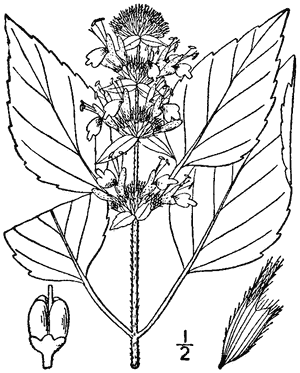
Hairy pagoda plant (Blephilia hirsuta)
Also known as: Wood Mint, Hairy Wood Mint
Broad-leaved mountain mint (Pycnanthemum muticum) is prevalent in the eastern United States and Canada. Its leaves emit a minty aroma when crushed, which has led to its common name. However, this minty fragrance is generally too mild to be suitable for culinary applications.
In This Article
Attributes of Hairy pagoda plant
Lifespan
Perennial
Plant Type
Herb
Plant Height
30 cm to 91 cm
Spread
45 cm
Leaf Color
Green
Flower Size
2.5 cm
Flower Color
White Purple Blue Lavender
Images of Hairy pagoda plant
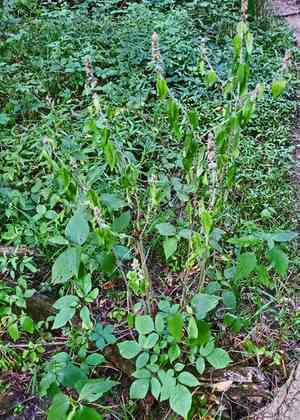
Quickly Identify Hairy pagoda plant
1
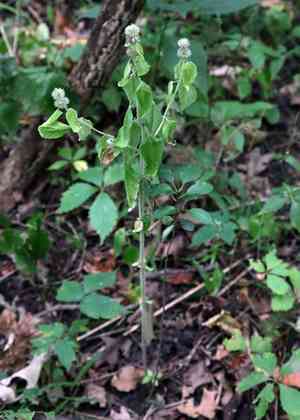
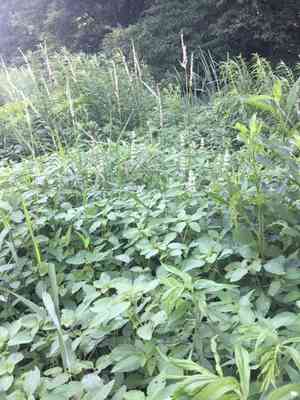
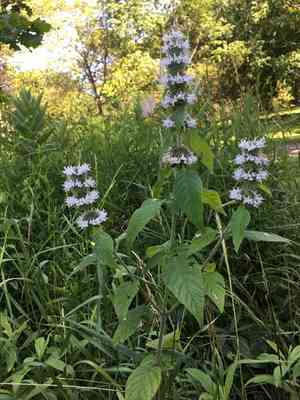
Identifying Blephilia hirsuta can be done by observing its whorled leaves, hairy stem, and unique flower clusters. The leaves are oval and slightly toothed, while the flowers are white to purple and grow in dense, rounded clusters.
Scientific Classification of Hairy pagoda plant
Phylum
Vascular plants
Class
Dicotyledons
Order
Lamiales
Family
Mint
Genus
Pagoda plant
Species
Hairy pagoda plant
Planting and Growing of Hairy pagoda plant
Care Difficulty
Easy
Watering Schedule
Every 6 days
Sunlight Requirements
Partial sun
Sunshine Duration
6-10 hours
Ideal Temperature
60-75℉
Soil Type
Potting Mix, Peat Mix
Soil pH
5.5-7
Fertilizer Type
Balanced
Pruning Season
Spring, Summer
Pruning Area
Branches, Leaves
Pruning Frequency
2 times a year
Repotting Season
Spring
Pot Type
Plastic, Ceramic
 How to Water Hairy pagoda plant?
Blephilia hirsuta, also known as the Hairy Wood Mint, requires watering such that the soil remains consistently moist without becoming waterlogged. Aim to provide around 200 ml per watering session, ensuring the soil is evenly soaked and excess water drains properly.
What are the symptoms of an underwatered Hairy pagoda plant?
›
What should I do if my Hairy pagoda plant is not getting enough water?
›
What are the symptoms of an overwatered Hairy pagoda plant?
›
How to save an overwatered Hairy pagoda plant?
›
 What Are the Sunlight Requirements for Hairy pagoda plant?
Blephilia hirsuta thrives in partial sunshine or full shade, ideally requiring soft morning light. This lighting ensures optimal growth and encourages its characteristic lush foliage and blossoms.
More About Sunlight Requirements Techniques→
Where to Place Blephilia hirsuta?
›
How to Achieve Perfect Lighting Conditions?
›
What Happens with Ideal Lighting?
›
 What Is the Ideal Temperature Range for Hairy pagoda plant?
For optimal growth, Blephilia hirsuta thrives best within a temperature range of 60 to 75°F. These temperatures mimic the natural environment of this species, offering the right balance of warmth to promote active growth while preventing stress. Maintaining this range ensures that the plant's metabolic processes operate efficiently, leading to healthy foliage development and flowering.
 What Soil is Best for Hairy pagoda plant?
Blephilia hirsuta prefers soil that can retain moisture without becoming waterlogged. This requirement ensures the plant receives a consistent amount of water, which is crucial for its root health and overall vitality. Adequate moisture levels can boost the plant's growth by allowing nutrients to be effectively absorbed. Using organic compost or well-rotted manure in the soil can provide essential nutrients that support robust growth. This enriched soil condition helps in sustaining the plant’s foliage and blooming capacity, thereby ensuring that Blephilia hirsuta thrives throughout its growing season. Ensuring that the soil provides efficient drainage prevents root rot and other water-related issues. Implementing materials like sand or perlite can enhance soil structure, facilitating aeration and eliminating excess moisture, thus maintaining optimal conditions for Blephilia hirsuta's growth.
 How to Fertilize Hairy pagoda plant?
Blephilia hirsuta generally requires a balanced fertilizer diluted to half its strength. For liquid fertilizers, use 1 tablespoon (approximately 15 ml) per gallon of water. For slow-release fertilizers, apply based on the manufacturer's instructions, typically around 3 tablespoons (approximately 45 grams) for a mid-sized plant.
 How to Prune Hairy pagoda plant?
Begin by identifying spent flowers and any damaged stems. Using sharp pruning shears, cut these back to a point just above a node to encourage new growth. Thinning out the interior branches can help improve airflow throughout the plant, reducing the likelihood of mildew and encouraging healthier growth. To maintain an aesthetic appearance, shape the plant by trimming overly long stems. This not only keeps your Blephilia hirsuta tidy but also balances growth.
More About Pruning Techniques→
 How to Propagate Hairy pagoda plant plant?
1
Begin by selecting a well-draining potting mix. Fill your seed trays with the soil, leaving about a centimeter from the top. Ensure the soil is lightly moistened before spreading the seeds evenly on the surface.
2
Select a healthy parent plant and use sharp pruning shears to take 3-5 inch cuttings. Remove the leaves from the bottom half of the cutting and dip the cut end in rooting hormone to promote root growth.
3
Carefully remove the mature plant from the soil and gently separate it into smaller sections, ensuring each section has roots attached. Replant them immediately into prepared soil and water thoroughly.
 How to Repot Hairy pagoda plant plant?
1
Blephilia hirsuta signals its need for repotting through slowed growth and crowded roots peeking out of drainage holes. If you notice these signs, it's time to repot. Ideally, aim to do it in spring or autumn to allow the plant to acclimate without the stress of extreme temperatures.
2
Select a pot that is one to two inches larger in diameter than the current one to give Blephilia hirsuta room to grow. Ensure it has adequate drainage holes to prevent waterlogging, which can cause root rot. A clay pot is often preferred for its ability to wick moisture away, helping to regulate the soil's moisture content.
3
Opt for a well-draining loamy soil, enriched with organic matter. This type of soil mimics its natural environment, providing essential nutrients and ensuring good water retention without becoming waterlogged. Adding perlite or sand can further improve drainage, which is crucial for keeping roots healthy.



