The Hairy pagoda plant Plant Advantage: Maximizing Home and Office Appeal and Wellness
1
The hairy pagoda plant contributes to garden biodiversity by drawing in helpful insects.
2
It holds historical significance in indigenous societies for diverse purposes.
3
The hairy pagoda plant is recognized for its fragrant foliage and aesthetic appeal.
What are the Environmental Advantages of the Hairy Pagoda Plant?
Enhancement of Garden Biodiversity
The Hairy Pagoda plant plays a crucial role in fostering biodiversity within garden ecosystems. By drawing in various beneficial insects like bees, butterflies, and other pollinators, it ensures the successful reproduction of numerous plant species. These insects aid in pollination and also help manage pest populations, leading to a balanced environment.
Improvement of Soil Quality
Another significant environmental benefit of the Hairy Pagoda plant is its capacity to boost soil health. The plant's root system can enhance soil structure and increase its organic matter content, making the soil more fertile and resilient. This, in turn, supports the growth of other plants and contributes to the overall health of the ecosystem.
How is the Hairy Pagoda Plant Utilized in Traditional Customs?
Cultural Importance
The Hairy Pagoda plant has been an essential component of various traditional customs, especially among indigenous communities. Its fragrant leaves and blossoms have been incorporated into different ceremonies and rituals, underscoring its cultural significance. In certain regions, the plant is revered for its spiritual meaning, symbolizing purity and protection.
Traditional Uses
Beyond its ceremonial applications, the Hairy Pagoda plant has found utility in daily life. Its leaves have been used to create natural dyes, while its stems and flowers have been employed in crafting handmade items. These traditional practices not only demonstrate the plant's adaptability but also its sustainable use, highlighting a harmonious relationship with nature.
What Makes the Hairy Pagoda Plant an Excellent Ornamental Specimen?
Visual Appeal
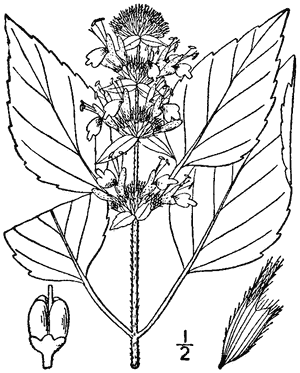
The Hairy Pagoda plant is highly valued for its distinct and attractive appearance. The plant features beautiful, hairy leaves and striking flowers that can add a touch of elegance to any garden or landscape. Its unique texture and color make it a favorite among gardeners and landscapers aiming to create visually pleasing spaces.
Ease of Cultivation
Another reason gardeners prefer the Hairy Pagoda plant is its straightforward cultivation. The plant requires relatively little maintenance and can flourish in a variety of soil conditions. Its adaptability makes it an excellent choice for both novice and experienced gardeners. With proper care, the Hairy Pagoda plant can bloom beautifully, offering long-lasting ornamental value.
Can the Hairy Pagoda Plant Serve Practical Functions in Landscaping?
Erosion Prevention
In landscaping, the Hairy Pagoda plant can fulfill practical roles such as erosion prevention. Its root system stabilizes the soil, preventing erosion and land degradation. This makes it a valuable plant for areas susceptible to soil erosion, contributing to the preservation of landscapes.
Natural Groundcover
Furthermore, the Hairy Pagoda plant can function as a natural groundcover, reducing the need for artificial mulches. By covering the ground with its foliage, it aids in weed suppression and moisture retention, creating a healthier environment for surrounding plants. This function not only enhances the beauty of the landscape but also promotes sustainable gardening practices.



