How Much Sunlight Do Hairy pagoda plant Need?
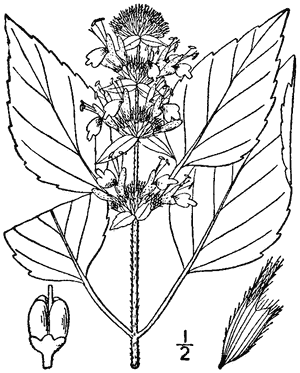
1
The Hairy pagoda plant flourishes with approximately 3-6 hours of direct sun exposure each day.
2
It is capable of enduring complete sunlight, particularly in regions with lower temperatures.
3
Indications of excessive light involve burned foliage, whereas inadequate light leads to elongated, weak stems.
Optimal Light Conditions for the Hairy pagoda plant
Full Sun vs. Partial Shade
The Hairy pagoda plant demonstrates considerable adaptability regarding its light requirements. Ideally, it flourishes in partial sun, receiving approximately 3-6 hours of direct sunlight daily. This duration ensures adequate light for efficient photosynthesis without risking leaf burn, which can occur under intense full sun. However, in cooler regions where sunlight is less harsh, the Hairy pagoda plant can tolerate and even benefit from full sun exposure throughout the day.
Seasonal Light Requirements
Seasonal variations significantly impact the Hairy pagoda plant's light reception. During spring and summer, with longer days and stronger sun rays, positioning the plant to receive morning sun and afternoon shade proves advantageous. This light pattern helps prevent leaf scorching while maximizing light for development. In autumn and winter, the plant may need relocation to a brighter spot as days shorten to guarantee sufficient illumination.
Evaluating Light Levels for the Hairy pagoda plant
Measuring Sunlight Exposure
Precisely determining the Hairy pagoda plant's sunlight exposure can be achieved with a light meter. These devices quantify light in foot candles or lux, assisting in confirming if your plant's location is suitable. Aim for 1,500-3,000 foot candles (16,000-32,000 lux) for peak growth. Additionally, observe shadow patterns throughout the day. Sharp, distinct shadows indicate stronger light levels appropriate for brief periods, whereas soft, blurred shadows suggest ideal partial sun conditions.
Indicators of Excessive Light
Overexposure to sunlight can cause stress to your Hairy pagoda plant. Watch for symptoms such as scorched, brown, or brittle leaves. The foliage might appear bleached or exhibit a burn-like appearance, particularly along the edges.
Indicators of Insufficient Light
Conversely, inadequate sunlight presents its own set of problems. The Hairy pagoda plant may display stunted or leggy growth, meaning stems stretch excessively in an attempt to find more light. Leaves might also become pale or drop prematurely. To remedy this, gradually move your plant to a brighter location.
Modifying Sunlight for Peak Growth
Utilizing Supplemental Grow Lights
If natural light is insufficient, especially during colder months, supplementing with artificial grow lights can be advantageous. LED or fluorescent grow lights offer the correct spectrum for plant development. Position the lights about 12-18 inches (30-45 cm) above the plant, ensuring they operate for 12-16 hours daily to mimic natural sunlight and support the Hairy pagoda plant's requirements.
Adjusting Plant Placement
The positioning of your Hairy pagoda plant is critical. During the active growth period, you might place it near an east-facing window for morning light or a west-facing window for the less intense afternoon sun. If full sun is unavoidable and causes stress, using a sheer curtain to diffuse the light can safeguard the plant's foliage. Rotate the plant regularly to ensure uniform light distribution, preventing uneven development.
Common Questions Regarding Hairy pagoda plant Sunlight Needs
Can the Hairy pagoda plant Thrive in Low Light?
While the Hairy pagoda plant is adaptable, it does not flourish in low light conditions. You may observe slower growth and less vibrant foliage. If your environment receives minimal natural light, consider employing artificial grow lights for supplementation.
What is the Optimal Time of Day for Sunlight Exposure?
The best times for your Hairy pagoda plant to receive sunlight are the early morning hours and late afternoon. This timing provides the plant with ample light for photosynthesis without the risk of intense midday sun scorching the leaves. In climates with strong sunlight, providing shade during the hottest part of the day helps prevent stress.



