How to Prune Hairy pagoda plant?
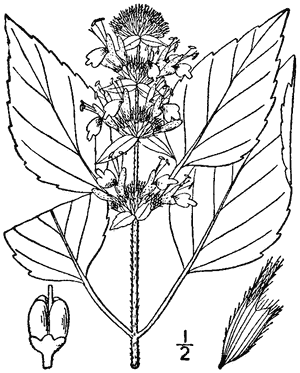
This enduring herbaceous variety flourishes in forested areas and open fields. Hairy pagoda plant benefits from careful removal of faded blooms and cutting back of withered flower stems to stimulate additional flowering and inhibit self-propagation, especially following the initial burst of blossoms in late spring. The most suitable times for pruning are in spring prior to the emergence of new shoots, or in summer subsequent to flowering. Consistent pruning preserves hairy pagoda plant's form, fosters robust foliage, and amplifies its contribution as a plant that attracts pollinators.
Advantages of Trimming Hairy Pagoda Plant
Advantages of Trimming Hairy Pagoda Plant
Trimming hairy pagoda plant encourages robust development and preserves its compact shape. Thoughtful cutting can lead to denser foliage and support the plant's overall vitality and visual appeal.
Optimal Time for Trimming Hairy Pagoda Plant
Optimal Time for Trimming Hairy Pagoda Plant
Trimming hairy pagoda plant in late spring, following the final frost, enables gardeners to remove any winter damage, shaping the plant without hindering new growth. Early summer trimming is also beneficial as it coincides with the plant's active growth phase. This timing prompts hairy pagoda plant to channel energy into producing strong, healthy shoots and blossoms during its natural flowering period. Pruning during these seasons helps maintain plant structure, eliminates weak or dead stems, and fosters a vigorous and abundant display without negatively impacting the plant's health or bloom cycle.
Required Tools for Trimming Hairy Pagoda Plant
Bypass Pruners
These are precise cutting instruments, perfect for making clean cuts without harming the delicate stems of hairy pagoda plant.
Snips or Micro-Tip Pruning Shears
These tools provide accuracy for deadheading or shaping smaller, more intricate foliage that hairy pagoda plant may possess, without causing undue stress to the plant.
Gardening Gloves
Protective handwear is advised to prevent irritation from hairy pagoda plant's fuzzy leaves during the trimming process.
How to Trim Hairy Pagoda Plant
Clean tools
Sanitize your pruning shears with alcohol or a bleach solution to prevent the spread of disease before and after trimming hairy pagoda plant.
Remove diseased leaves
Carefully inspect hairy pagoda plant and use your shears to snip off any leaves that are diseased, ensuring to make cuts close to the base of the diseased leaf without damaging the healthy parts.
Prune withered leaves
Identify and prune all withered or dead leaves in a similar manner as the diseased leaves to encourage new growth and maintain the appearance of hairy pagoda plant.
Trim diseased stems
Cut back any diseased stems on hairy pagoda plant down to healthy tissue, ensuring a clean cut to promote healing and prevent further infection.
Dispose of debris
Dispose of all removed diseased and dead material away from healthy plants to avoid contamination and potential spread of pests or disease.
Common Trimming Errors with Hairy Pagoda Plant
Excessive trimming
Cutting away too much of hairy pagoda plant can weaken the plant and reduce its ability to flourish, a mistake often made by those who are overzealous or misinformed about the plant's growth habits.
Incorrect cut placement
Making cuts either too close or too far from the node can damage hairy pagoda plant or leave unsightly stubs that hinder the healing process and make the plant susceptible to disease.
Using dull tools
Pruning with dull or dirty tools can cause jagged cuts that are more prone to infection and can harm hairy pagoda plant, rather than clean cuts that heal quickly.
Ignoring plant shape
Disregarding the natural shape of hairy pagoda plant while pruning can lead to an unattractive appearance and possibly hinder its growth, particularly if done without an understanding of the plant's structure.
Careless handling
Handling hairy pagoda plant carelessly during pruning can lead to accidental breakage of stems or leaves, especially given its delicate nature.
Trimming without reason
Random or unnecessary pruning without understanding the specific needs or health issues of hairy pagoda plant can do more harm than good, such as cutting off healthy areas that are vital for the plant's energy production.
General Trimming Advice for Hairy Pagoda Plant
Sharp clean tools
Use sharp and clean pruning shears to make precise and clean cuts on hairy pagoda plant, which will help prevent disease and promote quicker healing.
Selective pruning
Prune selectively to remove dead or diseased foliage from hairy pagoda plant, which will encourage healthier growth and blooming while maintaining the plant's natural form.
Prune for shape
Trim hairy pagoda plant to maintain its characteristic pagoda-like shape, focusing on achieving an attractive and balanced plant without compromising its health.
Monitor plant health
Assess hairy pagoda plant's health before pruning; remove only the parts that are necessary to enhance the plant's overall well-being and appearance.
Encourage new growth
Prune hairy pagoda plant in a way that encourages new growth where it is desired, such as pinching off tips to promote bushier growth or cutting back leggy stems to invigorate the plant.
Gentle handling
Handle hairy pagoda plant gently during pruning to avoid unnecessary damage to the plant's structure, ensuring that every cut is deliberate and beneficial.



